

What is angina?
Blood carries oxygen to the heart and the rest of your body. When your heart doesn’t get enough oxygen-rich blood, you may experience angina, which is the medical term for chest pain or discomfort. Angina is a warning sign that blood flow to your heart muscle is limited and is most often related to blockages in the heart’s arteries.
Types of angina
How you experience angina depends on the type you have. There are two main types:
- Stable angina: This is the most common form of angina and describes chest pain after physical activity or stress. Also known as angina pectoris, it occurs predictably over two months or longer.
- Unstable angina: Unstable angina is unpredictable and may cause intense chest pain and occurs whether you’re exercising or at rest. Left untreated, unstable angina can result in a heart attack.
There are also less common types of angina, including:
- Microvascular angina: A condition within the heart’s tiny blood vessels that causes chest pain for long periods. It may occur with rest or exertion.
- Vasospastic angina: A spasm inside the heart causes intense chest pain, often when resting, and may occur in the middle of the night.
Angina symptoms
The most common symptom of angina is discomfort in the chest that may feel like burning, pressure, squeezing or tightness. Additionally, you may experience:
- Light-headedness
- Nausea
- Shortness of breath
- Sweating for no reason
- Tiredness
- Weakness
In some cases, the pain doesn’t stay confined to your chest. It can radiate into your shoulders, back, neck, jaw or arms. While angina symptoms are always the same, the severity and duration vary based on the type of angina you have.
Is it angina or a heart attack?
Angina is a common heart attack symptom. You should always call 911 if you have concerning chest pain, but here are some key differences between angina and heart attack-related chest pain.
Although scary, angina does not cause permanent damage.
Angina
- Do not last more than 20 minutes
- Occur with exertion or excitement
- Go away with rest
Heart attack
- Last more than 20 minutes
- May occur without activity or excitement
- Do not go away with rest
Additional heart attack warning signs include:
- Back, neck, jaw or stomach discomfort
- Breaking out in a cold sweat, nausea or lightheadedness
- Chest discomfort
- Discomfort in one or both arms
- Shortness of breath Women and men can experience heart attack symptoms differently.
Learn more about these differences on our women’s heart health page.
What causes angina?
Coronary heart disease, the most common heart disease in America, is the leading cause of angina. It occurs when the arteries build up fat, cholesterol and other substances. The arteries become narrowed or blocked, reducing blood flow to the heart and increasing the risk of developing dangerous blood clots that can cause a heart attack or stroke.
Angina risk factors
Anyone can experience angina. But, your risk for this common heart problem increases with the following:
- Age: The older you get, the higher your risk for most types of angina. However, vasospastic angina often affects younger people.
- Other medical conditions: Chest pain can be caused by anemia (low red blood cells), chronic kidney disease, peripheral artery disease and cardiomyopathy (conditions that affect the heart muscle).
- Family history: Your risk for angina increases if your parents, siblings or other close relatives have experienced angina or other heart conditions.
- Ethnicity: African Americans are more likely to experience angina, especially if they’ve already had a heart attack.
- Particle pollution: Dust particles from farms, construction sites and mines can cause chest pain.
- Sex: Until age 55, men are more likely than women to have heart disease and angina. After that age, women and men are equally at risk.
- Tobacco exposure: Smoking cigarettes and secondhand smoke exposure can lead to chest pain.
- Unhealthy lifestyle: Misusing alcohol or illegal drugs, not managing stress, eating an unhealthy diet, and not getting enough physical activity can increase your risk of angina.
- Work environment: Occupations that expose you to radiation or loud noises, are extremely stressful, or make it difficult to get good sleep, increase your chance of developing angina.
Diagnosing angina
Diagnosing angina begins with a discussion about your personal and family medical history. Your provider will also perform a physical exam to check your blood pressure, pulse and heart rate.
During this exam, your provider may ask you questions about:
- When your chest pain occurs and how long it lasts
- Whether it occurs with certain activities
- What the pain feels like and where it’s located
- If anything helps the pain improve
Depending on the results of your physical exam, your provider may recommend one or more of the following tests.
Blood tests
One common blood test for angina looks for a protein that leaks into the bloodstream when your heart gets damaged. Your provider may also check your cholesterol levels.
Angina treatment and care options
Unstable angina requires emergency care, as it can lead to a heart attack. Call 911 if you or someone with you experiences unstable angina symptoms.
Stable angina may respond to one or more of the following treatments.
Lifestyle changes
You can better control stable angina by eating a balanced diet, reaching a healthy weight, exercising regularly, managing stress and not smoking.
Find a location near you
We help you get heart care at a location that fits your needs. We offer several locations throughout North and Central Texas.

5701 Bryant Irvin Rd Ste 302, Fort Worth, TX, 76132
5701 Bryant Irvin Rd Ste 302, Fort Worth, TX, 76132
Not accepting walk-ins
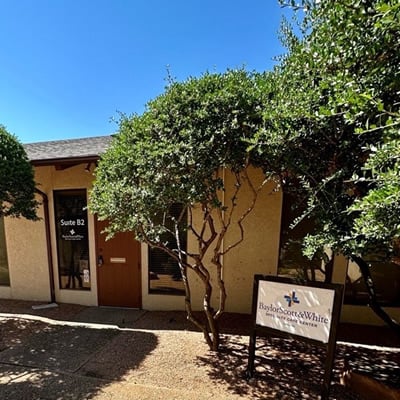
1219 E South 11th St Ste B2, Abilene, TX, 79602
1219 E South 11th St Ste B2, Abilene, TX, 79602
Not accepting walk-ins
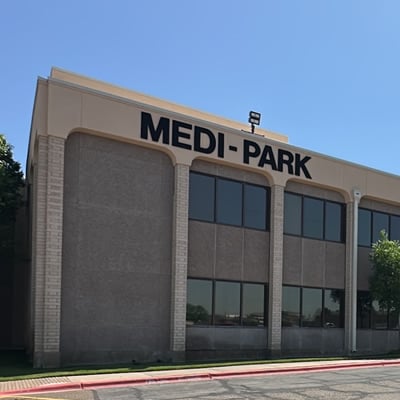
1901 Medi Park Dr Ste 2051, Amarillo, TX, 79106
1901 Medi Park Dr Ste 2051, Amarillo, TX, 79106
Not accepting walk-ins
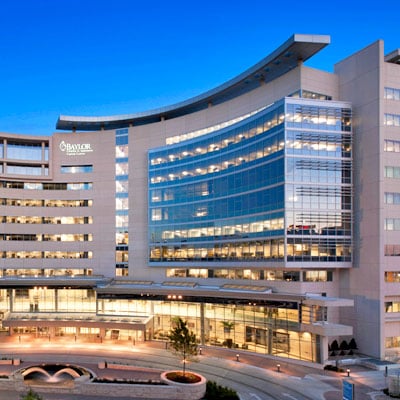
3410 Worth St Ste 250, Dallas, TX, 75246
3410 Worth St Ste 250, Dallas, TX, 75246
Not accepting walk-ins
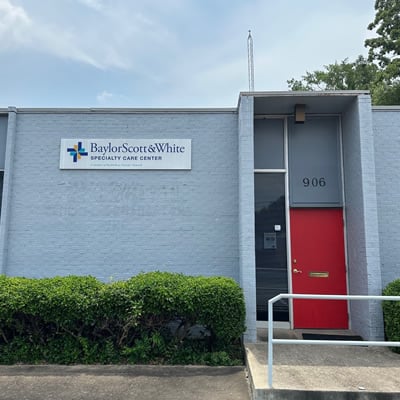
906 Judson Rd , Longview, TX, 75601
906 Judson Rd , Longview, TX, 75601
Not accepting walk-ins
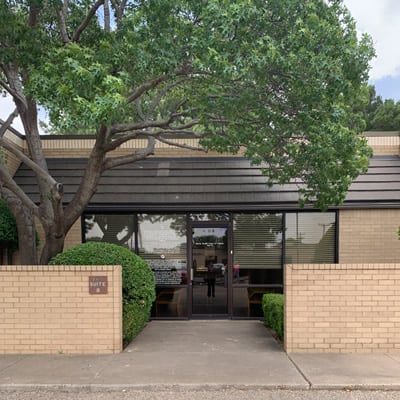
3711 22nd St Ste B, Lubbock, TX, 79410
3711 22nd St Ste B, Lubbock, TX, 79410
Not accepting walk-ins

420 E 6th St Ste 102, Odessa, TX, 79761
420 E 6th St Ste 102, Odessa, TX, 79761
Not accepting walk-ins
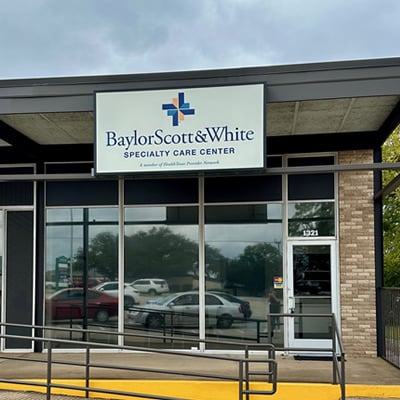
1321 S Beckham Ave , Tyler, TX, 75701
1321 S Beckham Ave , Tyler, TX, 75701
Not accepting walk-ins
1250 8th Ave Ste 200, Fort Worth, TX, 76104
1250 8th Ave Ste 200, Fort Worth, TX, 76104
Not accepting walk-ins
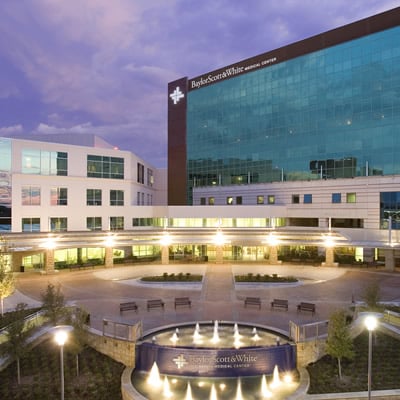
1400 8th Ave , Fort Worth, TX, 76104
1400 8th Ave , Fort Worth, TX, 76104
Accepting walk-ins
3333 Colorado Blvd , Denton, TX, 76210
3333 Colorado Blvd , Denton, TX, 76210
Not accepting walk-ins
16050 Everwell Ln Ste 210, Frisco, TX, 75033
16050 Everwell Ln Ste 210, Frisco, TX, 75033
Not accepting walk-ins
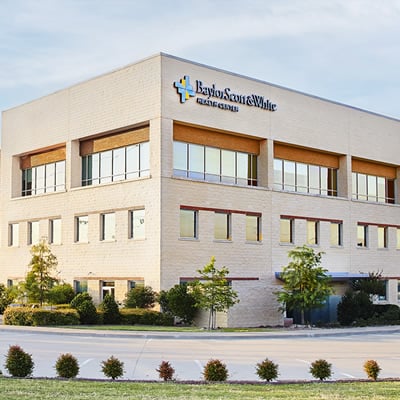
7217 Telecom Pkwy Ste 205, Garland, TX, 75044
7217 Telecom Pkwy Ste 205, Garland, TX, 75044
Not accepting walk-ins
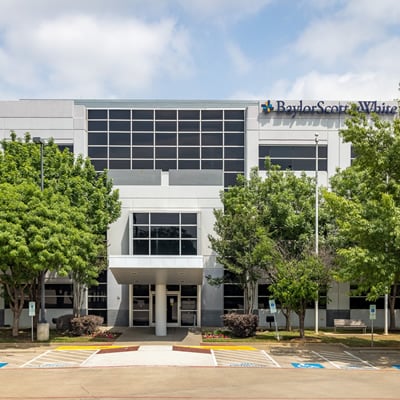
2020 W State Hwy 114 Ste 320, Grapevine, TX, 76051
2020 W State Hwy 114 Ste 320, Grapevine, TX, 76051
Not accepting walk-ins
1401 Shoal Creek Ste 240, Highland Village, TX, 75077
1401 Shoal Creek Ste 240, Highland Village, TX, 75077
Not accepting walk-ins
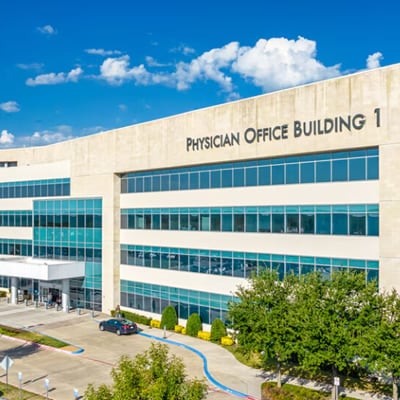
5236 W University Dr POB I, Ste 4900, McKinney, TX, 75071
5236 W University Dr POB I, Ste 4900, McKinney, TX, 75071
Not accepting walk-ins
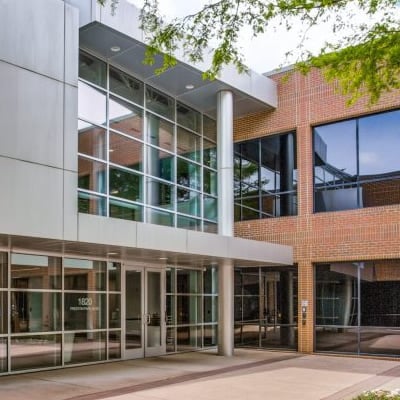
1820 Preston Park Blvd Ste 1450, Plano, TX, 75093
1820 Preston Park Blvd Ste 1450, Plano, TX, 75093
Not accepting walk-ins
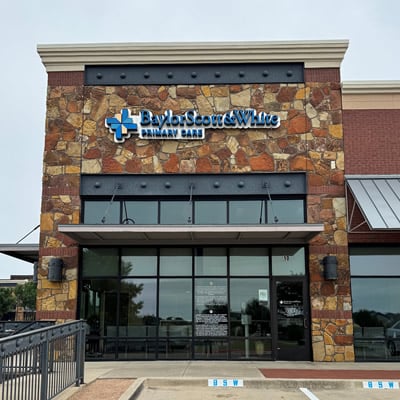
111 S Preston Rd Ste 10, Prosper, TX, 75078
111 S Preston Rd Ste 10, Prosper, TX, 75078
Not accepting walk-ins
1250 8th Ave Ste 200, Fort Worth, TX, 76104
1250 8th Ave Ste 200, Fort Worth, TX, 76104
Not accepting walk-ins
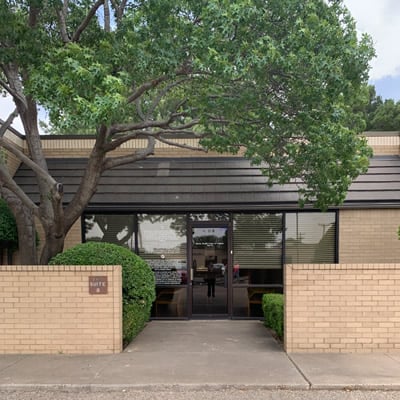
3711 22nd St Ste B, Lubbock, TX, 79410
3711 22nd St Ste B, Lubbock, TX, 79410
Not accepting walk-ins

420 E 6th St Ste 102, Odessa, TX, 79761
420 E 6th St Ste 102, Odessa, TX, 79761
Not accepting walk-ins
2035 Fort Worth Hwy Ste 100, Weatherford, TX, 76086
2035 Fort Worth Hwy Ste 100, Weatherford, TX, 76086
Not accepting walk-ins
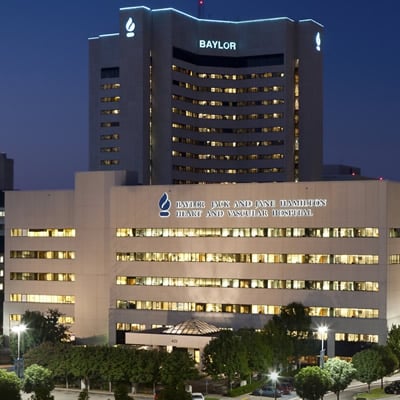
621 N Hall St Ste 120, Dallas, TX, 75226
621 N Hall St Ste 120, Dallas, TX, 75226
Not accepting walk-ins
3333 Colorado Blvd , Denton, TX, 76210
3333 Colorado Blvd , Denton, TX, 76210
Not accepting walk-ins

5236 W University Dr Ste 4900, McKinney, TX, 75071
5236 W University Dr Ste 4900, McKinney, TX, 75071
Not accepting walk-ins
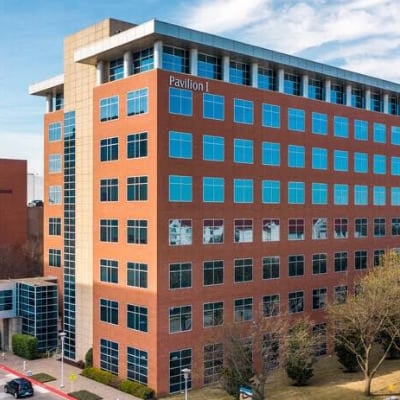
4708 Alliance Blvd Pavilion I, Ste 540, Plano, TX, 75093
4708 Alliance Blvd Pavilion I, Ste 540, Plano, TX, 75093
Not accepting walk-ins
621 N Hall St Ste 500, Dallas, TX, 75226
621 N Hall St Ste 500, Dallas, TX, 75226
Not accepting walk-ins
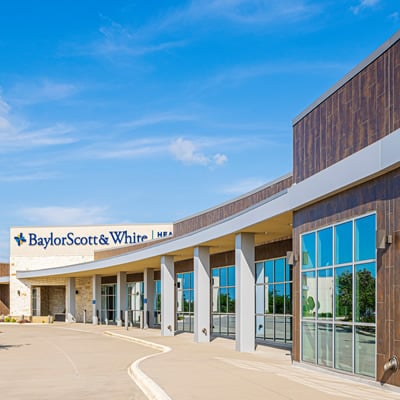
4400 Interstate 30 W Ste 300, Greenville, TX, 75402
4400 Interstate 30 W Ste 300, Greenville, TX, 75402
Not accepting walk-ins
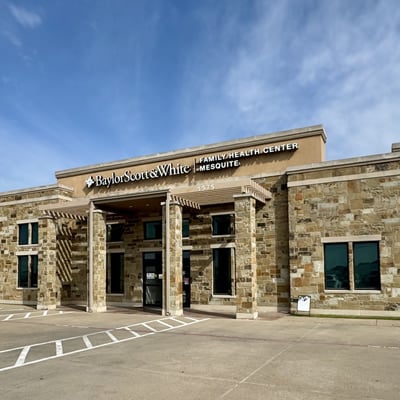
1575 Interstate 30 , Mesquite, TX, 75150
1575 Interstate 30 , Mesquite, TX, 75150
Not accepting walk-ins
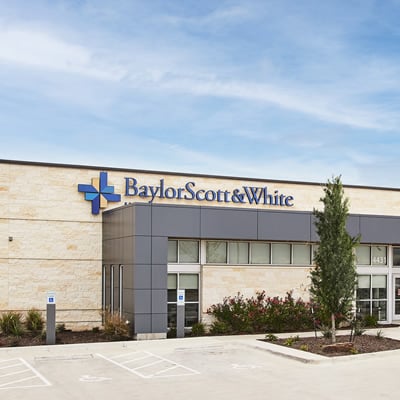
4431 E US Hwy 287 , Midlothian, TX, 76065
4431 E US Hwy 287 , Midlothian, TX, 76065
Not accepting walk-ins
9101 N Central Expy Ste 300C, Dallas, TX, 75231
9101 N Central Expy Ste 300C, Dallas, TX, 75231
Not accepting walk-ins
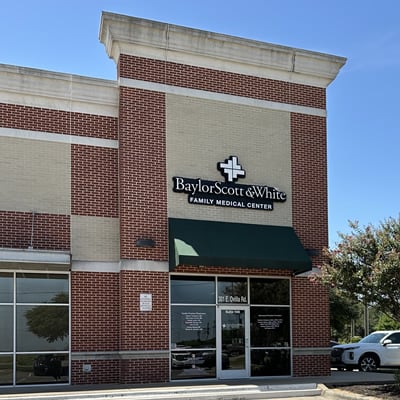
301 E Ovilla Rd Ste 100, Red Oak, TX, 75154
301 E Ovilla Rd Ste 100, Red Oak, TX, 75154
Not accepting walk-ins
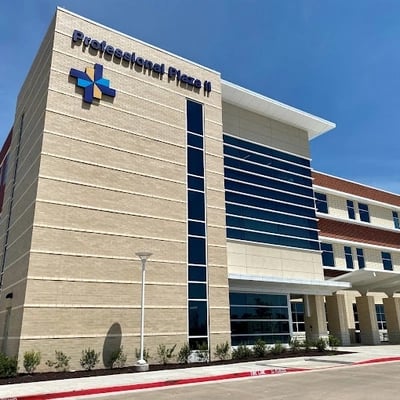
2360 N Interstate 35E Ste 110, Waxahachie, TX, 75165
2360 N Interstate 35E Ste 110, Waxahachie, TX, 75165
Not accepting walk-ins

1110 Cottonwood Ln Ste 215, Irving, TX, 75038
1110 Cottonwood Ln Ste 215, Irving, TX, 75038
Not accepting walk-ins
1307 8th Ave Ste 406, Fort Worth, TX, 76104
1307 8th Ave Ste 406, Fort Worth, TX, 76104
Not accepting walk-ins
3333 Colorado Blvd , Denton, TX, 76210
3333 Colorado Blvd , Denton, TX, 76210
Not accepting walk-ins
16050 Everwell Ln Ste 210, Frisco, TX, 75033
16050 Everwell Ln Ste 210, Frisco, TX, 75033
Not accepting walk-ins
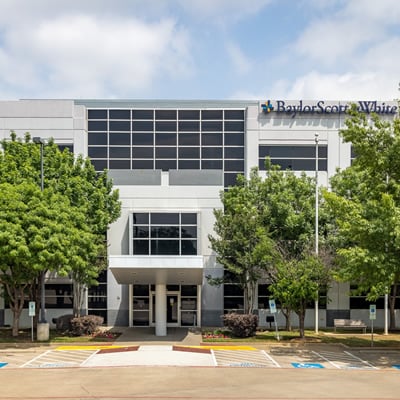
2020 W State Hwy 114 Ste 200, Grapevine, TX, 76051
2020 W State Hwy 114 Ste 200, Grapevine, TX, 76051
Not accepting walk-ins
1401 Shoal Creek Ste 240, Highland Village, TX, 75077
1401 Shoal Creek Ste 240, Highland Village, TX, 75077
Not accepting walk-ins
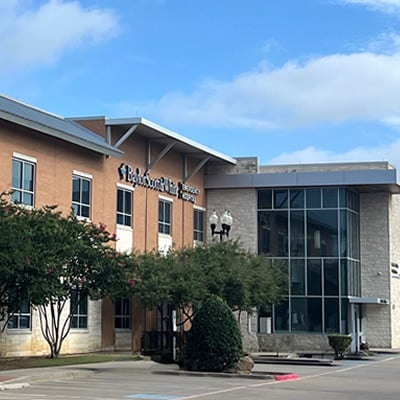
620 S Main St Ste 240, Keller, TX, 76248
620 S Main St Ste 240, Keller, TX, 76248
Not accepting walk-ins
6000 W Spring Creek Pkwy Ste 220, Plano, TX, 75024
6000 W Spring Creek Pkwy Ste 220, Plano, TX, 75024
Not accepting walk-ins
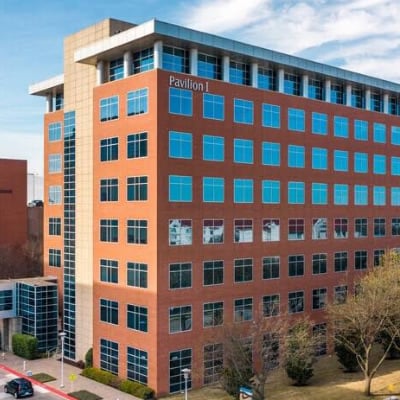
4708 Alliance Blvd Pavilion I, Ste 450 , Plano, TX, 75093
4708 Alliance Blvd Pavilion I, Ste 450 , Plano, TX, 75093
Not accepting walk-ins
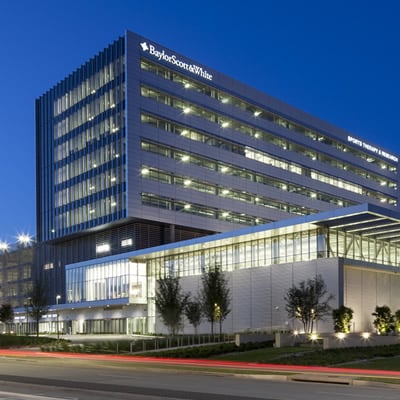
3800 Gaylord Pkwy Ste 910, Frisco, TX, 75034
3800 Gaylord Pkwy Ste 910, Frisco, TX, 75034
Not accepting walk-ins
5308 N Galloway Ave Ste 201, Mesquite, TX, 75150
5308 N Galloway Ave Ste 201, Mesquite, TX, 75150
Not accepting walk-ins
6705 Heritage Pkwy Ste 202, Rockwall, TX, 75087
6705 Heritage Pkwy Ste 202, Rockwall, TX, 75087
Not accepting walk-ins
3410 Worth St Ste 760, Dallas, TX, 75246
3410 Worth St Ste 760, Dallas, TX, 75246
Not accepting walk-ins
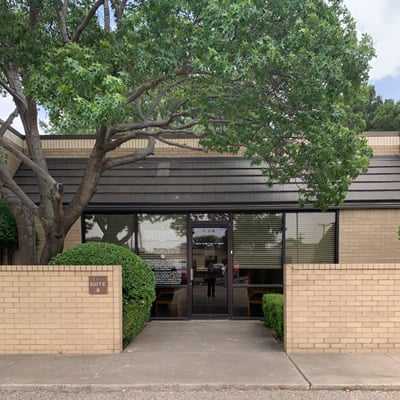
3711 22nd St Ste B, Lubbock, TX, 79410
3711 22nd St Ste B, Lubbock, TX, 79410
Not accepting walk-ins
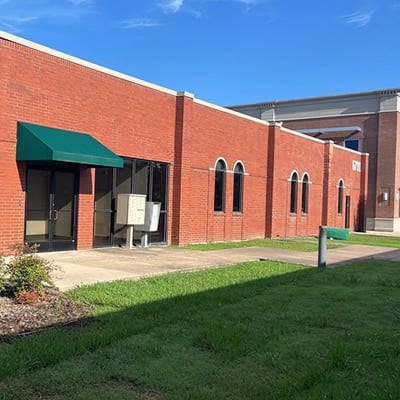
6701 Heritage Pkwy Ste 130, Rockwall, TX, 75087
6701 Heritage Pkwy Ste 130, Rockwall, TX, 75087
Not accepting walk-ins
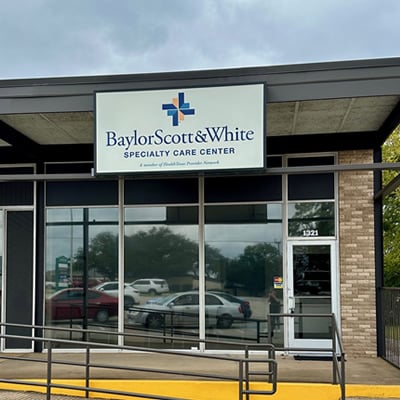
1321 S Beckham Ave , Tyler, TX, 75702
1321 S Beckham Ave , Tyler, TX, 75702
Not accepting walk-ins
2480 N Interstate 35E , Waxahachie, TX, 75165
2480 N Interstate 35E , Waxahachie, TX, 75165
Not accepting walk-ins