Our approach to breast cancer treatment

When you’re facing breast cancer, our network of clinics and cancer care services in North and Central Texas give you access to breast cancer treatment options at a location convenient for you. With a holistic approach to treatment and customized care plans, we help you fight breast cancer on your terms.

Breast cancer treatment can be complex and requires careful consideration to ensure you receive the most appropriate care for the type and stage of your condition. Your oncology team will discuss treatments in detail, including possible side effects and long-term considerations that may influence your decision. Whichever treatment you receive, you can trust that you will receive it from a compassionate team that has your needs top of mind. You can find the support you need to help navigate the treatment process, recovery and beyond.

women standing with locked arms in solidarity as they receive breast cancer treatment

Breast cancer surgery 

Most women have some form of surgery as part of their treatment plan. Depending on the type of breast cancer you have, surgery may be your only treatment. In many cases, however, surgery is combined with radiation therapy or another treatment to ensure all cancerous cells have been destroyed.

Different surgeries have different goals. You may have breast cancer surgery to:

  • Treat cancer by removing a tumor or the entire breast
  • See whether cancer cells have spread to lymph nodes near the breast
  • Reconstruct your breast after surgery
  • Treat or remove cancers that have spread to other parts of the body, known as metastatic cancer

Lumpectomy

A lumpectomy is also called breast-conserving surgery. As its name suggests, this surgery involves removing only the lump or tumor, leaving your breast mostly intact. Your breast surgeon may also remove some nearby tissue.

Typically, a lumpectomy is recommended for early-stage breast cancer and breast cancers not associated with genetic mutations. If your tumor is large or you have multiple areas of cancer in your breast, a lumpectomy may not be the right treatment for you.

If you have a lumpectomy, you will likely also need radiation therapy.

Radiation therapy for breast cancer

Radiation therapy targets breast cancer cells with high-energy radiation. It is often used in combination with other treatments to ensure cancer cells have been destroyed.

Radiation therapy is often combined with lumpectomy in women who have early-stage breast cancers. Women with advanced cancers and inflammatory breast cancer may need radiation therapy after a mastectomy. It may also be used in women with metastatic breast cancer to treat symptoms or cancers that have spread to the bones or other areas of the body.

How many radiation treatments you have and how often you have them will depend on the type of radiation you receive. There are two types typically used to treat breast cancer:

patient undergoing radiation therapy for breast cancer

Chemotherapy for breast cancer

Chemotherapy, or chemo, medications fight cancer cells throughout your body. Delivered in pill form or intravenously through an infusion, these medications are intended to kill cancer or prevent the cells from dividing and growing.

Chemotherapy can be given before or after surgery, or both:

  • Neoadjuvant chemotherapy: Given before surgery to shrink the cancer and make it easier to remove.
  • Adjuvant chemotherapy: Given after surgery, as soon as you've healed and no later than 12 weeks after surgery.

There are many different chemo medications for breast cancer. Often, medical oncologists combine medications for maximum effectiveness, but they often use a single medication to treat advanced cancers.

You may also have chemotherapy in combination with immunotherapy or targeted therapies.

Hormone therapy for breast cancer

Hormone therapy targets cancers affected by hormones, referred to as hormone receptor-positive breast cancers. Hormone therapy works to prevent the body from producing hormones that cause cancer to grow or by blocking how effective they are.

As part of the cancer staging process, doctors test cancer cells to see if they have receptors for proteins that attract or bind to hormones. If they do, your cancer is considered hormone receptor-positive. If they do not, you have a hormone receptor-negative cancer and will not receive hormone therapy.

There are several types of hormone therapy. Some may reduce hormone production, while others block hormones from reaching receptors on cancer cells.

doctor discussing hormone therapy for breast cancer treatment with a patient

Immunotherapy for breast cancer

Immunotherapy stimulates your immune system and helps it fight cancer.

Your immune system is usually good at identifying foreign invaders to your body, such as infections, and can even identify and attack some cancer cells. However, other cancer cells have properties that make them harder for your immune system to identify. Immunotherapies help your immune system better find those cells.

Although cancer researchers have helped develop many immunotherapies, the only type currently used to treat breast cancer is an immune checkpoint inhibitor.

Immune checkpoint inhibitors

Targeted therapy for breast cancer

Targeted therapies are medications that work against, or target, specific markers or proteins that help breast cancer cells survive. Like chemotherapy medications, targeted therapies can spread throughout the body and attack cancers that have spread. But, because they target specific parts of cells, targeted therapies may help kill cancer cells that chemo cannot.

Targeted therapies can help treat a wide range of breast cancers, from early-stage to metastatic, and breast cancers that have returned after initial treatment. You may receive them before or after surgery or in combination with other chemo, hormone or targeted therapy medications. Some targeted therapies can be given as standalone treatments.

Currently, more than 25 targeted therapy medications have been approved to treat breast cancer. They work in different ways:

Protein inhibitors

Proteins on cancer cells send signals that cause cells to grow or divide. Targeted therapies can target these proteins and interfere with how they work, including:

  • Tyrosine, a protein associated with HER2-positive breast cancers
  • Cyclin-dependent kinase (CDKs), in particular, CDK4 and CDK6, are associated with hormone receptor-positive, HER2-negative cancers.
  • Mammalian target of rapamycin (mTOR), associated with hormone receptor-positive, HER2-negative cancers and thought to help blood vessels that feed tumors

Breast cancer clinical trials

Baylor Scott & White Research Institute (BSWRI) conducts studies exploring potentially new medications and therapies for nearly a dozen different cancer types. Trials are currently underway at select Baylor Scott & White facilities in North and Central Texas.

doctor discussing breast cancer clinical trials with a patient

Finding specialized breast cancer treatment

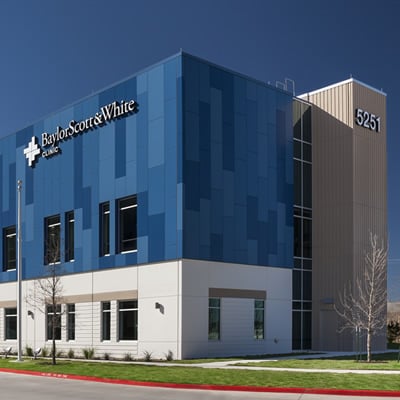
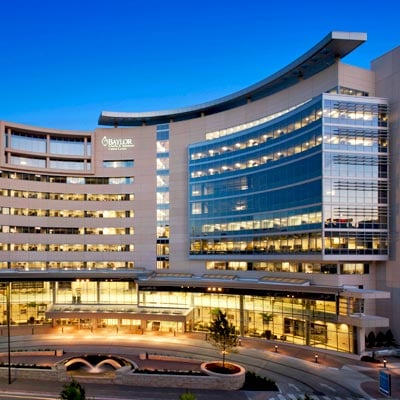
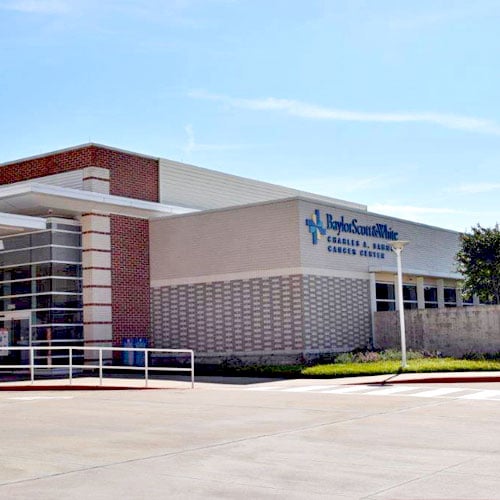
We help you get care at a location that fits your needs. We offer several locations for your care, including specialized breast cancer treatment centers in North and Central Texas.

Baylor Scott & White Breast Care Specialists of Texas

1250 8th Ave Ste 650, Fort Worth, TX, 76104

Not accepting walk-ins

Baylor Scott & White Breast Care Specialists of Texas (Satellite)

6100 Harris Pkwy Ste 260, Fort Worth, TX, 76132

Not accepting walk-ins

Baylor Scott & White Breast Specialists - Dallas

3410 Worth St Ste 235, Dallas, TX, 75246

Not accepting walk-ins

Not accepting walk-ins

Baylor Scott & White Cancer Center - Round Rock

300A University Blvd , Round Rock, TX, 78665

Not accepting walk-ins

Not accepting walk-ins

Baylor Scott & White Charles A. Sammons Cancer Center - Irving

2001 N MacArthur Blvd Ste 120, Irving, TX, 75061

Not accepting walk-ins

Baylor Scott & White Charles A. Sammons Cancer Center - Waxahachie

2380 N Interstate 35E , Waxahachie, TX, 75165

Not accepting walk-ins

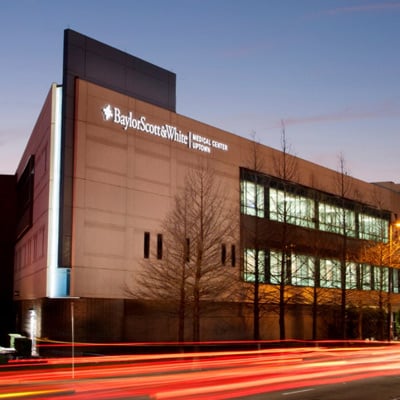
Baylor Scott & White Medical Center - Uptown

2727 E Lemmon Ave , Dallas, TX, 75204

Accepting walk-ins

Baylor Scott & White Specialty Clinic - Marble Falls

800 W State Hwy 71 , Marble Falls, TX, 78654

Accepting walk-ins

Not accepting walk-ins

Not accepting walk-ins

Not accepting walk-ins

Baylor Scott & White Women's Imaging Center - Las Colinas (MacArthur & I-635)

440 W Lyndon B Johnson Fwy Plaza II, Ste 120A, Irving, TX, 75063

Not accepting walk-ins

Baylor Scott & White Women's Imaging Center - McKinney

5236 W University Dr Ste 2500, McKinney, TX, 75071

Not accepting walk-ins

Baylor Scott & White Women's Imaging Center - Plano

4716 Alliance Blvd Pavilion II, Ste 100, Plano, TX, 75093

Not accepting walk-ins

Breast Center at Baylor Scott & White - Grapevine

1631 Lancaster Dr Ste 130, Grapevine, TX, 76051

Not accepting walk-ins