

What is menopause?
Menopause is defined as the stage in a woman's life that happens 12 months after your final menstrual period. After menopause, your body produces much less of the hormones estrogen and progesterone. Your ovaries stop releasing eggs and you can no longer become pregnant.
Uncomfortable symptoms may accompany menopause, but your women’s health provider has treatments and solutions that can make this transition easier.
It’s time to reclaim your menopause journey.
What are the stages of menopause?
Many women refer to the months or years leading up to their last period as menopause, but menopause actually happens in three stages.
Perimenopause
The years leading up to menopause are called perimenopause or the menopausal transition. For most women, perimenopause begins in their mid to late 40s and lasts about four years, although it can be longer for some.
Menopause
True menopause occurs when you stop menstruating permanently. More specifically, a woman is considered to be in menopause after 12 months with no menstrual cycle. In the US, the average age for a woman to reach menopause is 52.
Postmenopause
After menopause, you enter the postmenopause stage. When postmenopause begins, you may experience fewer symptoms associated with menopause. However, your risk of heart disease and osteoporosis increases, so your years after menopause should focus on taking care of your body by eating well, exercising and seeing your provider regularly.
What are the symptoms of menopause?
Changing levels of estrogen and progesterone during the menopausal transition can cause a wide range of symptoms. Symptoms of menopause include:
- Anxiety, depression and mood changes
- Hot flashes
- Night sweats
- Irregular periods
- Memory problems and trouble focusing
- Sleep problems related to low levels of progesterone
- Urinary incontinence
- Vaginal atrophy (dryness and irritation)

When to see a doctor
Your women’s health specialist can help you manage many symptoms of menopause, so don’t feel like you need to handle this transition alone. If menopause symptoms negatively affect your daily life, schedule an appointment to talk about possible treatment options.
What causes menopause?
In most cases, menopause is a natural change that occurs with aging. Some women, however, go through menopause earlier than normal due to health conditions and other factors.
What long-term health conditions are associated with menopause?
During and after menopause, women’s bodies go through many changes that can trigger certain long-term conditions. It’s important to know that after menopause, women face a higher risk for some diseases and symptoms. Talk to your provider about ways to lower your risk and monitor your health after menopause.
Cardiovascular disease
Estrogen is linked to heart health, so when levels decline as part of menopause, women are at higher risk for cardiovascular disease. Many women experience atherosclerosis, a buildup of plaque in the arteries. Additionally, hot flashes are linked to high blood pressure.
Menopause diagnosis
In most cases, a formal diagnosis of menopause is not necessary, as women notice the signs and symptoms on their own. However, doctors can do blood or urine tests to measure levels of the hormones follicle-stimulating hormone (FSH), luteinizing hormone (LH) and estradiol to determine if you have started perimenopause or have passed menopause.
Is that an early sign of menopause, or are you just exhausted?
Menopause treatment
Not all women require treatment for menopause. However, if menopause symptoms are severe or interfering with your quality of life, your women’s health provider can recommend options for treatment.
Hormone replacement therapy
Your body produces lower levels of estrogen and progesterone during the menopausal transition. Hormone replacement therapy (HRT) replaces some of these hormones to help ease symptoms such as hot flashes and vaginal dryness. The two types of HRT include:
- Estrogen therapy: This type of hormone therapy provides estrogen only.
- Estrogen progesterone/progestin hormone therapy: If you haven’t had a hysterectomy, you also need to take a hormone called progestin along with estrogen. This helps reduce the risk of endometrial cancer that can happen with estrogen alone.
Hormone therapy can be taken as pills, gels, sprays and skin patches. For vaginal dryness, estrogen is available as a tablet, vaginal ring or cream.
Research has shown that HRT can put you at slightly higher risk for breast cancer, endometrial cancer, heart disease and other conditions. Talk to your provider about the risks and benefits of these treatments.
Find specialized care for menopause
We help you manage menopause with services at a location that fits your needs. We offer several locations for your care, including specialized women’s health centers in North and Central Texas.
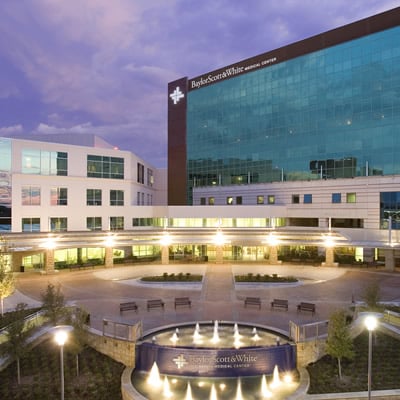
1400 8th Ave , Fort Worth, TX, 76104
1400 8th Ave , Fort Worth, TX, 76104
Accepting walk-ins
Patients in line:
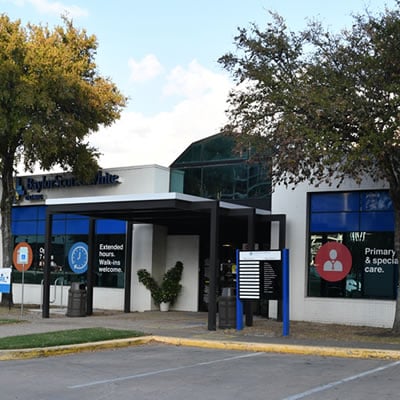
2608 Brockton Dr , Austin, TX, 78758
2608 Brockton Dr , Austin, TX, 78758
Not accepting walk-ins
Patients in line:
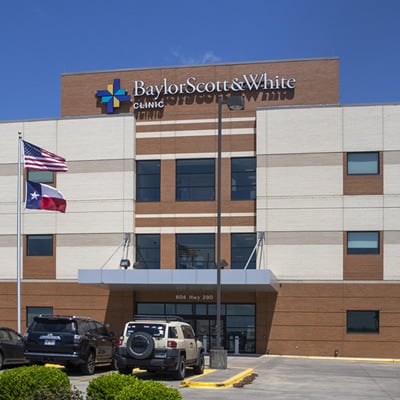
604 US 290 , Brenham, TX, 77833
604 US 290 , Brenham, TX, 77833
Not accepting walk-ins
Patients in line:
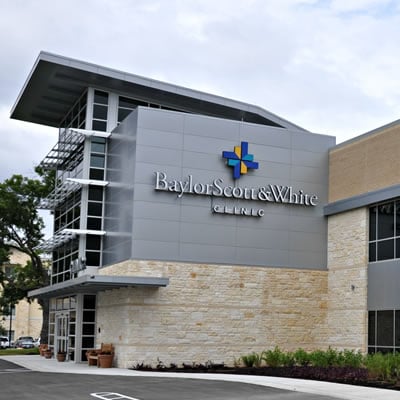
910 E Whitestone Blvd , Cedar Park, TX, 78613
910 E Whitestone Blvd , Cedar Park, TX, 78613
Not accepting walk-ins
Patients in line:
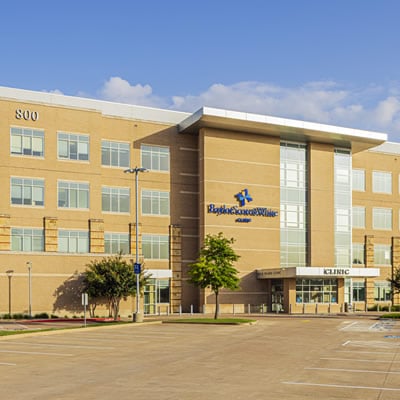
800 Scott and White Dr , College Station, TX, 77845
800 Scott and White Dr , College Station, TX, 77845
Not accepting walk-ins
Patients in line:
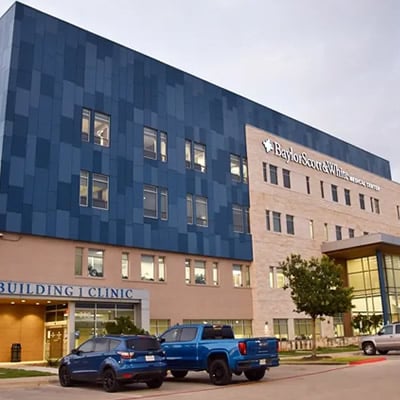
2600 E Pflugerville Pkwy Bldg 1, Ste 200, Pflugerville, TX, 78660
2600 E Pflugerville Pkwy Bldg 1, Ste 200, Pflugerville, TX, 78660
Not accepting walk-ins
Patients in line:

2600 E Pflugerville Pkwy Building 2, Pflugerville, TX, 78660
2600 E Pflugerville Pkwy Building 2, Pflugerville, TX, 78660
Not accepting walk-ins
Patients in line:

302 University Blvd , Round Rock, TX, 78665
302 University Blvd , Round Rock, TX, 78665
Not accepting walk-ins
Patients in line:
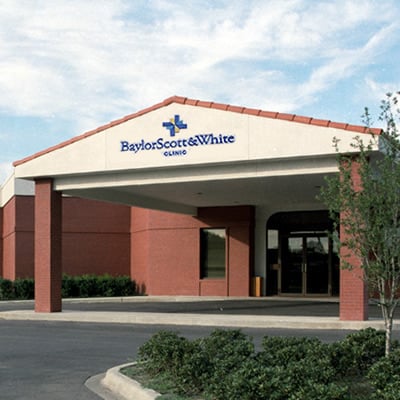
1402 W Ave H , Temple, TX, 76504
1402 W Ave H , Temple, TX, 76504
Accepting walk-ins
Patients in line:
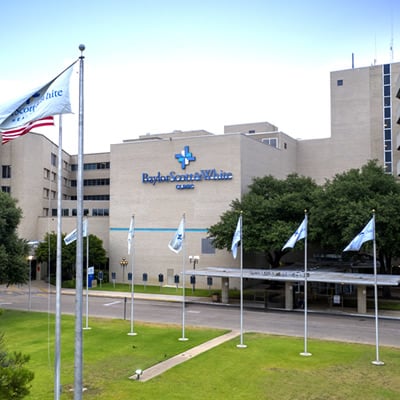
2401 S 31st St , Temple, TX, 76508
2401 S 31st St , Temple, TX, 76508
Not accepting walk-ins
Patients in line:

1713 SW H K Dodgen Loop Bldg II, Ste 100, Temple, TX, 76502
1713 SW H K Dodgen Loop Bldg II, Ste 100, Temple, TX, 76502
Not accepting walk-ins
Patients in line:
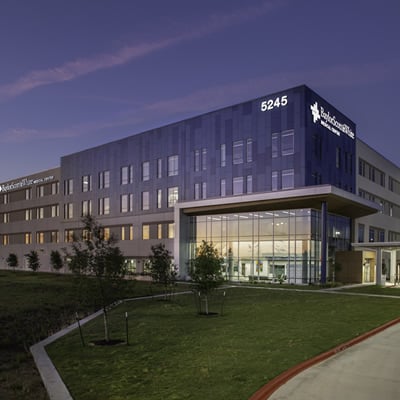
5245 W US Hwy 290 Service Rd , Austin, TX, 78735
5245 W US Hwy 290 Service Rd , Austin, TX, 78735
Accepting walk-ins
Patients in line:
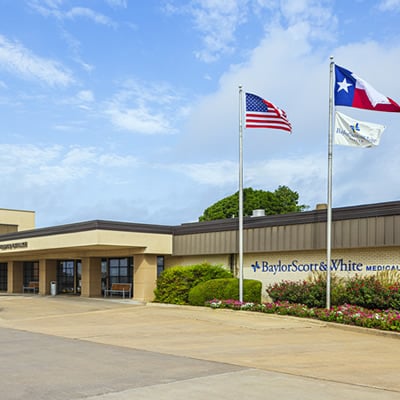
700 Medical Pkwy , Brenham, TX, 77833
700 Medical Pkwy , Brenham, TX, 77833
Accepting walk-ins
Patients in line:
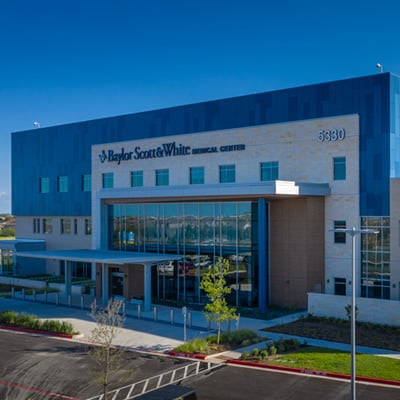
5330 Overpass Rd , Buda, TX, 78610
5330 Overpass Rd , Buda, TX, 78610
Accepting walk-ins
Patients in line:
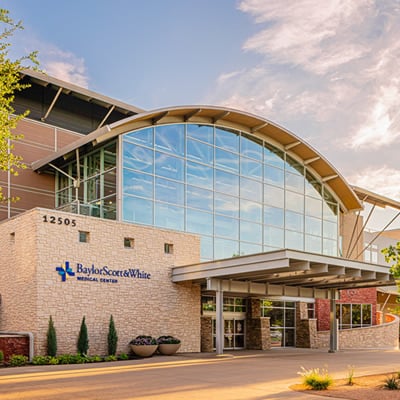
12505 Lebanon Rd , Frisco, TX, 75035
12505 Lebanon Rd , Frisco, TX, 75035
Accepting walk-ins
Patients in line:
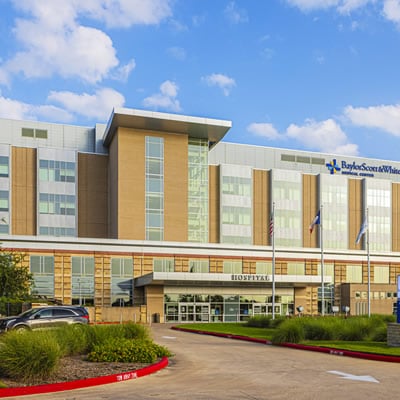
700 Scott and White Dr , College Station, TX, 77845
700 Scott and White Dr , College Station, TX, 77845
Accepting walk-ins
Patients in line:
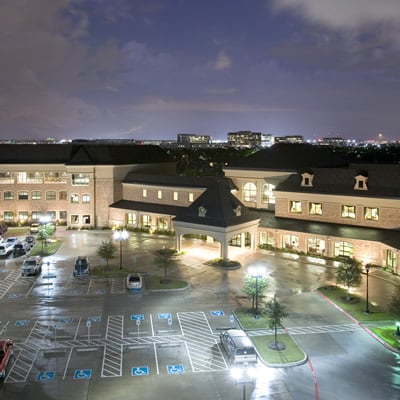
5601 Warren Pkwy , Frisco, TX, 75034
5601 Warren Pkwy , Frisco, TX, 75034
Accepting walk-ins
Patients in line:

7600 Better Way , Frisco, TX, 75033
7600 Better Way , Frisco, TX, 75033
Accepting walk-ins
Patients in line:
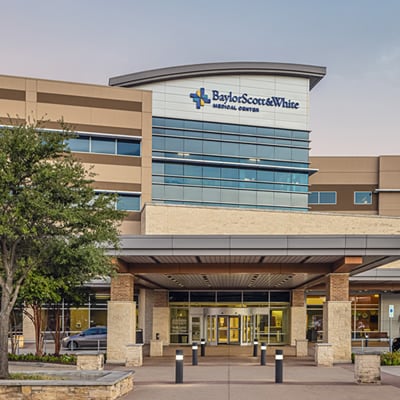
1650 W College St , Grapevine, TX, 76051
1650 W College St , Grapevine, TX, 76051
Accepting walk-ins
Patients in line:
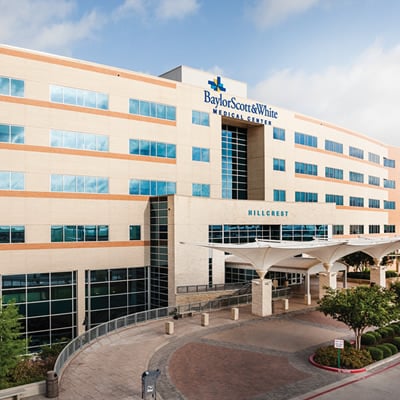
100 Hillcrest Medical Blvd , Waco, TX, 76712
100 Hillcrest Medical Blvd , Waco, TX, 76712
Accepting walk-ins
Patients in line:
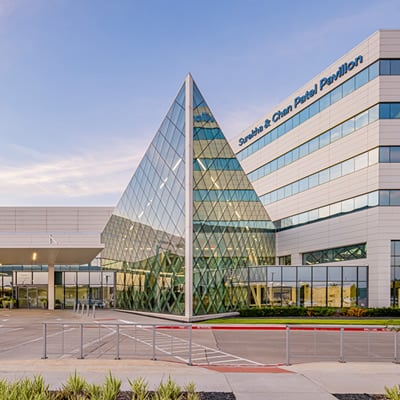
1901 N MacArthur Blvd , Irving, TX, 75061
1901 N MacArthur Blvd , Irving, TX, 75061
Accepting walk-ins
Patients in line:
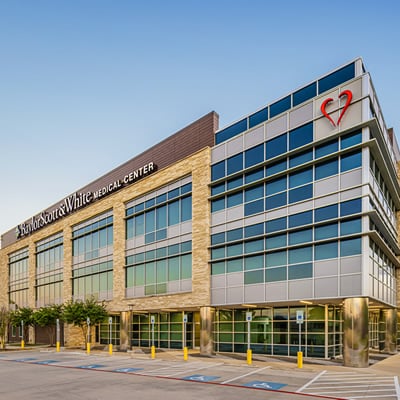
6800 Scenic Dr , Rowlett, TX, 75088
6800 Scenic Dr , Rowlett, TX, 75088
Accepting walk-ins
Patients in line:
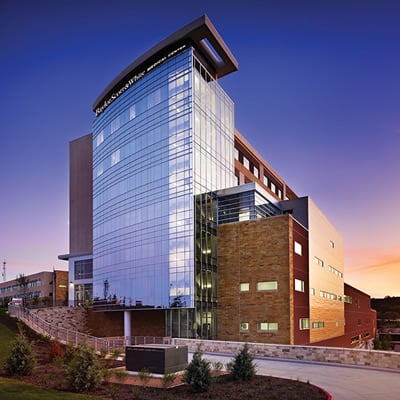
100 Medical Pkwy , Lakeway, TX, 78738
100 Medical Pkwy , Lakeway, TX, 78738
Accepting walk-ins
Patients in line:
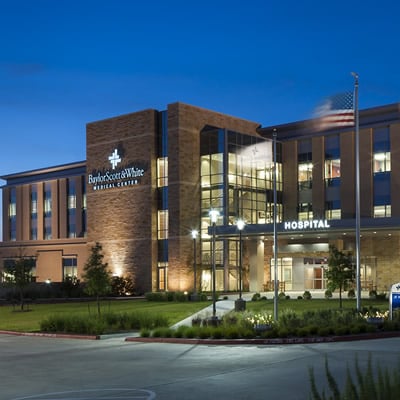
810 W State Hwy 71 , Marble Falls, TX, 78654
810 W State Hwy 71 , Marble Falls, TX, 78654
Accepting walk-ins
Patients in line:
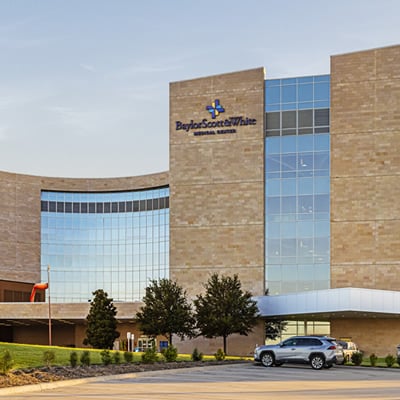
5252 W University Dr Highway 380 at Lake Forest Drive, McKinney, TX, 75071
5252 W University Dr Highway 380 at Lake Forest Drive, McKinney, TX, 75071
Accepting walk-ins
Patients in line:
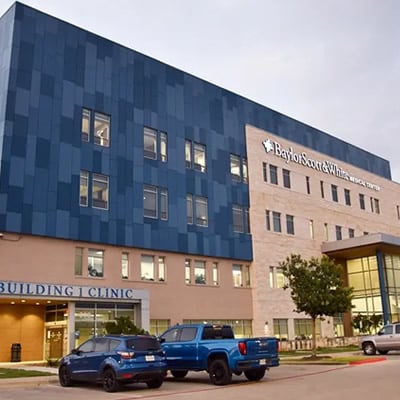
2600 E Pflugerville Pkwy Bldg 1, Ste 100, Pflugerville, TX, 78660
2600 E Pflugerville Pkwy Bldg 1, Ste 100, Pflugerville, TX, 78660
Accepting walk-ins
Patients in line:
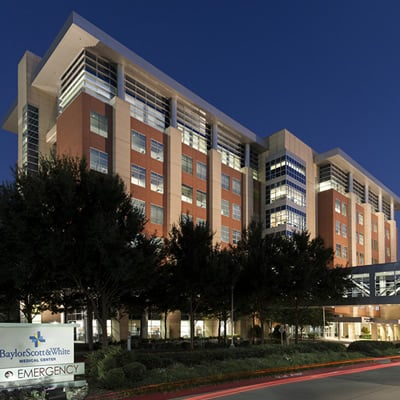
4700 Alliance Blvd , Plano, TX, 75093
4700 Alliance Blvd , Plano, TX, 75093
Accepting walk-ins
Patients in line:

300 University Blvd , Round Rock, TX, 78665
300 University Blvd , Round Rock, TX, 78665
Accepting walk-ins
Patients in line:
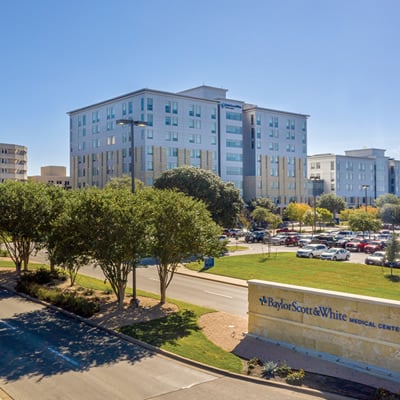
2401 S 31st St , Temple, TX, 76508
2401 S 31st St , Temple, TX, 76508
Accepting walk-ins
Patients in line:
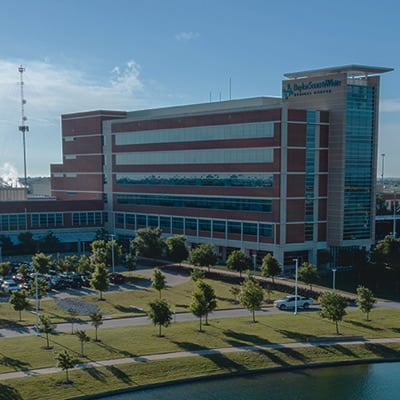
2400 N Interstate 35E , Waxahachie, TX, 75165
2400 N Interstate 35E , Waxahachie, TX, 75165
Accepting walk-ins
Patients in line:
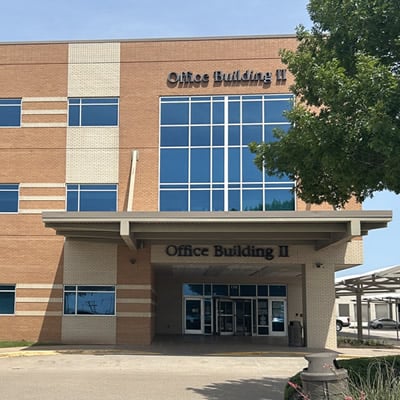
Baylor Scott & White OB/GYN Clinic - Waco
120 Hillcrest Medical Blvd Office Building 2, Ste 201-2, Waco, TX, 76712
Baylor Scott & White OB/GYN Clinic - Waco
120 Hillcrest Medical Blvd Office Building 2, Ste 201-2, Waco, TX, 76712
Not accepting walk-ins
Patients in line:

4461 Coit Rd Ste 205, Frisco, TX, 75035
4461 Coit Rd Ste 205, Frisco, TX, 75035
Not accepting walk-ins
Patients in line:

16050 Everwell Ln Professional Pavilion I, Ste 200, Frisco, TX, 75033
16050 Everwell Ln Professional Pavilion I, Ste 200, Frisco, TX, 75033
Not accepting walk-ins
Patients in line:

1631 Lancaster Dr Ste 370, Grapevine, TX, 76051
1631 Lancaster Dr Ste 370, Grapevine, TX, 76051
Not accepting walk-ins
Patients in line:

1005 W Ralph Hall Pkwy Ste 115, Rockwall, TX, 75032
1005 W Ralph Hall Pkwy Ste 115, Rockwall, TX, 75032
Not accepting walk-ins
Patients in line:

9500 Lakeview Pkwy Ste 100, Rowlett, TX, 75088
9500 Lakeview Pkwy Ste 100, Rowlett, TX, 75088
Not accepting walk-ins
Patients in line:
2460 N Interstate 35E Ste 225, Waxahachie, TX, 75165
2460 N Interstate 35E Ste 225, Waxahachie, TX, 75165
Not accepting walk-ins
Patients in line:
9101 N Central Expy Ste 250, Dallas, TX, 75231
9101 N Central Expy Ste 250, Dallas, TX, 75231
Not accepting walk-ins
Patients in line:
907 Mountain Lion Cir , Harker Heights, TX, 76548
907 Mountain Lion Cir , Harker Heights, TX, 76548
Not accepting walk-ins
Patients in line:

2405 S Clear Creek Rd , Killeen, TX, 76549
2405 S Clear Creek Rd , Killeen, TX, 76549
Not accepting walk-ins
Patients in line:
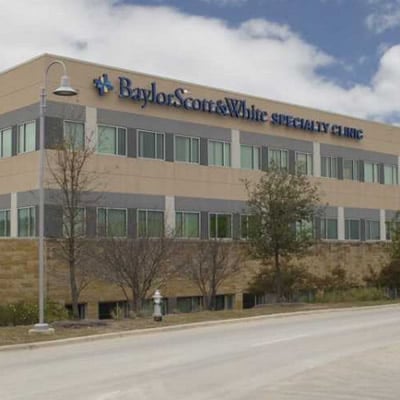
200 Medical Pkwy , Lakeway, TX, 78738
200 Medical Pkwy , Lakeway, TX, 78738
Not accepting walk-ins
Patients in line:

800 W State Hwy 71 , Marble Falls, TX, 78654
800 W State Hwy 71 , Marble Falls, TX, 78654
Accepting walk-ins
Patients in line:
213 Millcreek Dr Ste 190, Salado, TX, 76571
213 Millcreek Dr Ste 190, Salado, TX, 76571
Not accepting walk-ins
Patients in line:
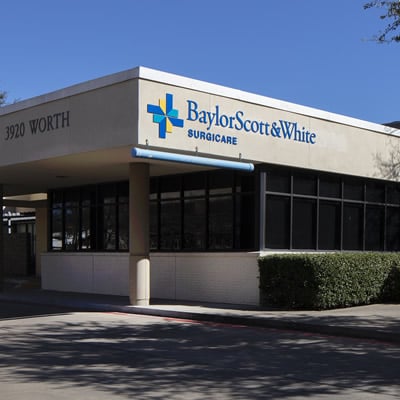
4020 Junius St , Dallas, TX, 75246
4020 Junius St , Dallas, TX, 75246
Not accepting walk-ins
Patients in line:
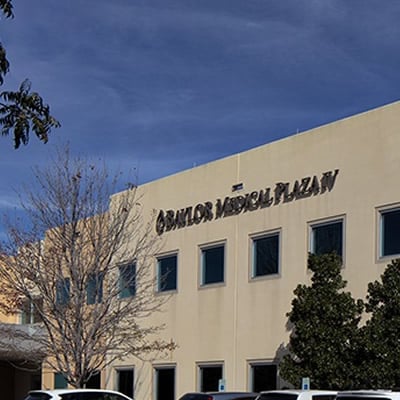
530 Clara Barton Blvd Ste 100, Garland, TX, 75042
530 Clara Barton Blvd Ste 100, Garland, TX, 75042
Not accepting walk-ins
Patients in line:
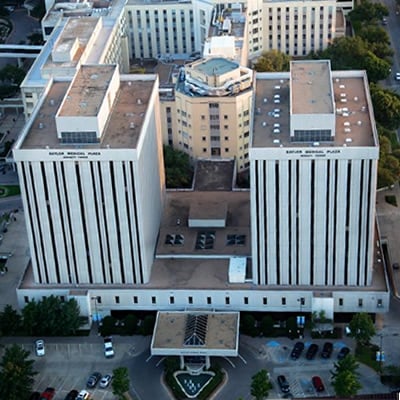
3600 Gaston Ave Wadley Tower, Ste 1158, Dallas, TX, 75246
3600 Gaston Ave Wadley Tower, Ste 1158, Dallas, TX, 75246
Not accepting walk-ins
Patients in line:
2460 N Interstate 35E Ste 165, Waxahachie, TX, 75165
2460 N Interstate 35E Ste 165, Waxahachie, TX, 75165
Not accepting walk-ins
Patients in line:

3500 Gaston Ave , Dallas, TX, 75246
3500 Gaston Ave , Dallas, TX, 75246
Accepting walk-ins
Patients in line: