

What is an ovarian cyst?
An ovarian cyst is a sac filled with fluid (or semisolid material) that forms on or within one or both ovaries. Most ovarian cysts are benign (noncancerous) and symptomless, often discovered during routine pelvic exams or imaging tests. While usually harmless, regular pelvic exams and discussing any symptoms with your provider can help manage potential complications.
What are the different types of ovarian cysts?
Ovarian cysts include functional cysts, associated with your menstrual cycle, and other, less common cysts associated with various health conditions.
Ovarian cyst symptoms
Most ovarian cysts do not cause symptoms. However, some can result in symptoms that are painful or interfere with your everyday life. Common symptoms include:
- Abdominal pain
- Bloating
- Swelling
Less often, you may also experience:
- Breast soreness
- Dyspareunia (pain during sex)
- Menorrhagia (heavy menstrual bleeding)
- Pain in your back or thighs
- Painful periods
- Pelvic pain or dull back or thigh pain
- Problems with using the bathroom, feeling like you need to urinate often, or you can’t completely empty your bladder or bowel
- Weight gain
If your cyst causes your ovary to twist, called a torsion, you may experience nausea or vomiting.
If your cyst ruptures (breaks open), you may experience severe pain that comes on quickly.

When to see a doctor
Talk to your women’s health specialist if you experience pelvic pain, bloating, pressure, swelling or other symptoms that might indicate an ovarian cyst. Most ovarian cysts do not cause cancer, so they do not always need to be treated, but your provider can help you address symptoms.
You should always seek medical attention if you have sudden, severe pelvic pain and pain accompanied by nausea and vomiting. These symptoms can indicate that a cyst has ruptured.
What causes ovarian cysts?
Ovarian cysts develop in response to your monthly menstrual cycle and can form in anyone who menstruates. The most common causes of ovarian cysts include:
- Endometriosis: Severe endometriosis can cause cysts in the ovaries. These may lead to ongoing pelvic pain and loss of fertility.
- Hormonal imbalance: Hormonal changes from several causes, including medications you take, may cause ovarian cysts.
- Infertility medications stimulate ovulation, which can lead to the development of functional cysts.
- Polycystic ovary syndrome (PCOS) causes the ovaries to make many small cysts in response to a hormone imbalance. Having PCOS can increase your risk of infertility and cause other health problems, but your women’s health specialist can help you manage it.
- Pelvic infections: Severe pelvic infections can cause ovarian cysts to form if the infection travels to the ovaries and fallopian tubes.
- Pregnancy: You may have an ovarian cyst form during early pregnancy. In many cases, these are functional cysts that are not harmful. However, some cysts can cause complications, so you will want to work with your OBGYN to determine if or when treatment is necessary.
Complications
Many ovarian cysts go away without serious aftereffects. However, some may result in complications that need medical attention.
- Cancerous cyst: While most ovarian cysts are harmless, a few are cancerous. Your doctor should monitor all ovarian cysts, especially in women after menopause.
- Ovarian torsion: An ovarian torsion is when your ovary twists over the ligaments that support it. This typically happens when you have a large cyst, at least 5 centimeters across in size. Ovarian torsion must be surgically corrected.
- Ruptured ovarian cyst: A ruptured ovarian cyst has broken open. It may cause fainting, fever, heavy bleeding, severe pain or vomiting. If you believe an ovarian cyst has ruptured, seek medical help right away.
How are ovarian cysts diagnosed?
To diagnose an ovarian cyst, your OBGYN will examine you and ask about your medical history. They may also order tests to help them understand your condition.
Ovarian cyst treatment
Many ovarian cysts resolve on their own. Treatments depend on the size of the cyst, its associated symptoms and whether it continues to grow.
Watchful waiting
If an ovarian cyst causes no symptoms and remains relatively small, your provider may opt for watchful waiting. You’ll have ultrasounds over a few months to see whether the cyst changes, grows or disappears.
Find specialized care for ovarian cysts
We help you get care at a location that fits your needs. We offer several locations for your care, including specialized centers in North and Central Texas.
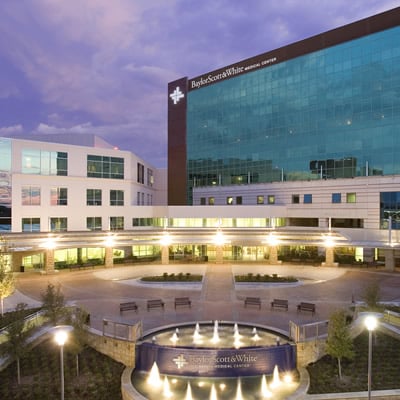
1400 8th Ave , Fort Worth, TX, 76104
1400 8th Ave , Fort Worth, TX, 76104
Accepting walk-ins
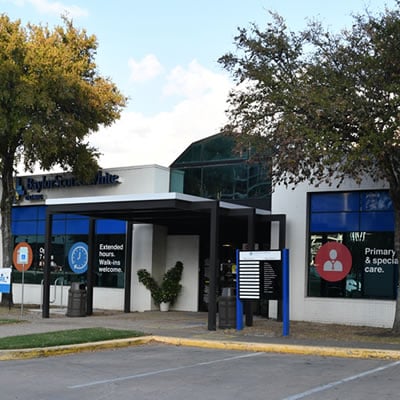
2608 Brockton Dr , Austin, TX, 78758
2608 Brockton Dr , Austin, TX, 78758
Not accepting walk-ins
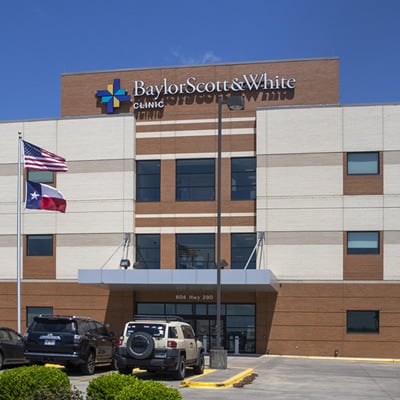
604 US 290 , Brenham, TX, 77833
604 US 290 , Brenham, TX, 77833
Not accepting walk-ins
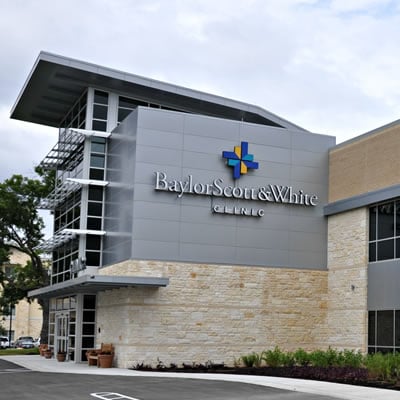
910 E Whitestone Blvd , Cedar Park, TX, 78613
910 E Whitestone Blvd , Cedar Park, TX, 78613
Not accepting walk-ins
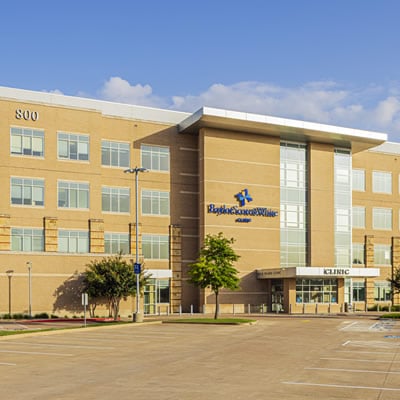
800 Scott and White Dr , College Station, TX, 77845
800 Scott and White Dr , College Station, TX, 77845
Not accepting walk-ins
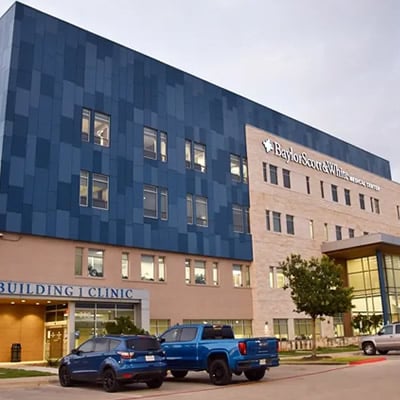
2600 E Pflugerville Pkwy Bldg 1, Ste 200, Pflugerville, TX, 78660
2600 E Pflugerville Pkwy Bldg 1, Ste 200, Pflugerville, TX, 78660
Not accepting walk-ins

2600 E Pflugerville Pkwy Building 2, Pflugerville, TX, 78660
2600 E Pflugerville Pkwy Building 2, Pflugerville, TX, 78660
Not accepting walk-ins

302 University Blvd , Round Rock, TX, 78665
302 University Blvd , Round Rock, TX, 78665
Not accepting walk-ins
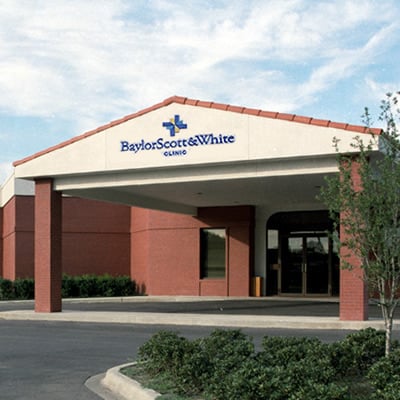
1402 W Ave H , Temple, TX, 76504
1402 W Ave H , Temple, TX, 76504
Accepting walk-ins
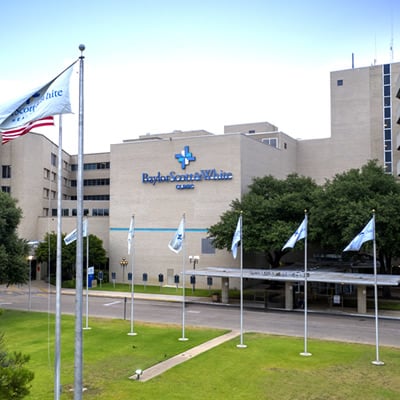
2401 S 31st St , Temple, TX, 76508
2401 S 31st St , Temple, TX, 76508
Not accepting walk-ins

1713 SW H K Dodgen Loop Bldg II, Ste 100, Temple, TX, 76502
1713 SW H K Dodgen Loop Bldg II, Ste 100, Temple, TX, 76502
Not accepting walk-ins
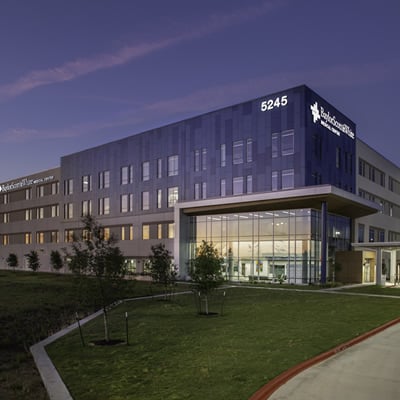
5245 W US Hwy 290 Service Rd , Austin, TX, 78735
5245 W US Hwy 290 Service Rd , Austin, TX, 78735
Accepting walk-ins
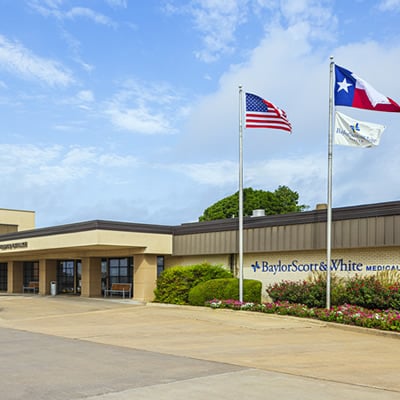
700 Medical Pkwy , Brenham, TX, 77833
700 Medical Pkwy , Brenham, TX, 77833
Accepting walk-ins
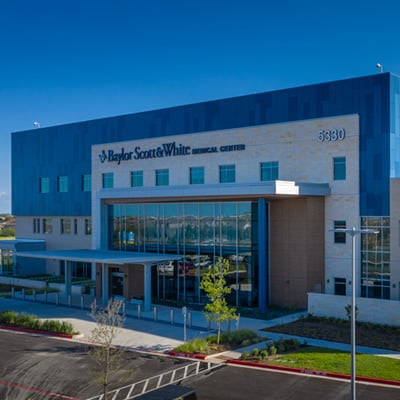
5330 Overpass Rd , Buda, TX, 78610
5330 Overpass Rd , Buda, TX, 78610
Accepting walk-ins
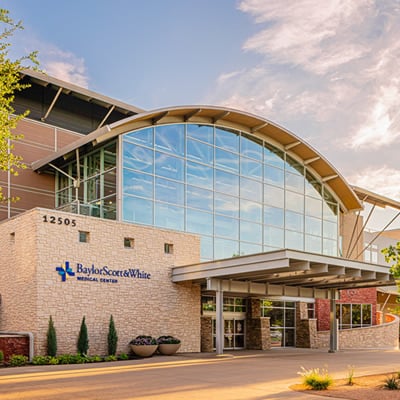
12505 Lebanon Rd , Frisco, TX, 75035
12505 Lebanon Rd , Frisco, TX, 75035
Accepting walk-ins
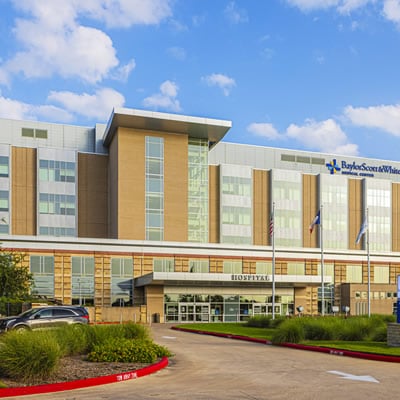
700 Scott and White Dr , College Station, TX, 77845
700 Scott and White Dr , College Station, TX, 77845
Accepting walk-ins
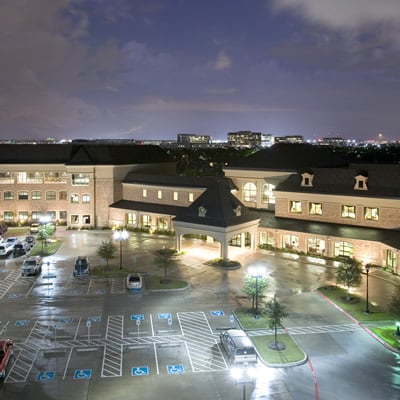
5601 Warren Pkwy , Frisco, TX, 75034
5601 Warren Pkwy , Frisco, TX, 75034
Accepting walk-ins

7600 Better Way , Frisco, TX, 75033
7600 Better Way , Frisco, TX, 75033
Accepting walk-ins
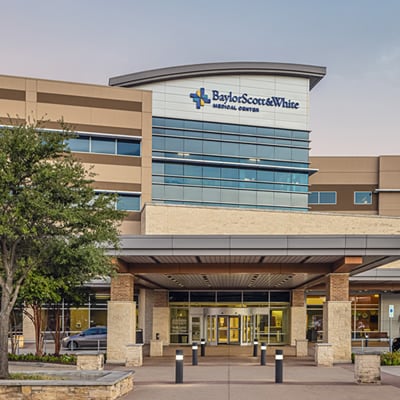
1650 W College St , Grapevine, TX, 76051
1650 W College St , Grapevine, TX, 76051
Accepting walk-ins
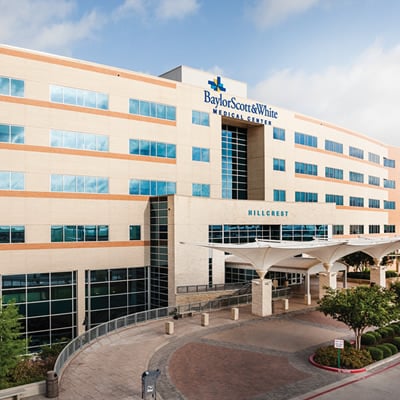
100 Hillcrest Medical Blvd , Waco, TX, 76712
100 Hillcrest Medical Blvd , Waco, TX, 76712
Accepting walk-ins
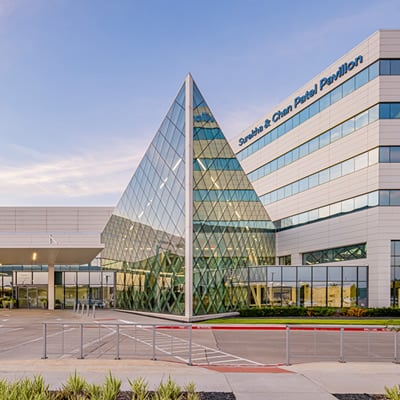
1901 N MacArthur Blvd , Irving, TX, 75061
1901 N MacArthur Blvd , Irving, TX, 75061
Accepting walk-ins
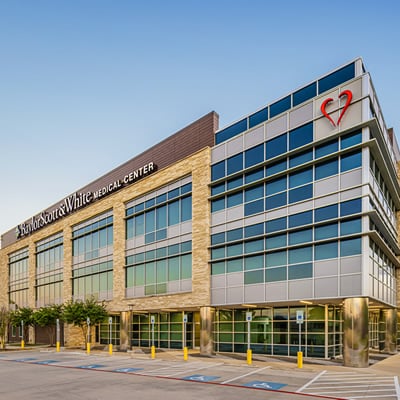
6800 Scenic Dr , Rowlett, TX, 75088
6800 Scenic Dr , Rowlett, TX, 75088
Accepting walk-ins
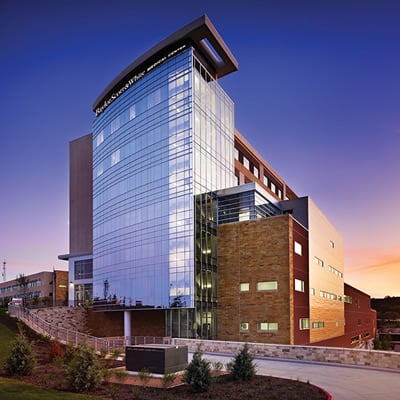
100 Medical Pkwy , Lakeway, TX, 78738
100 Medical Pkwy , Lakeway, TX, 78738
Accepting walk-ins
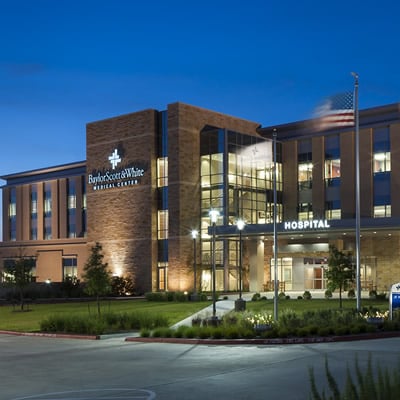
810 W State Hwy 71 , Marble Falls, TX, 78654
810 W State Hwy 71 , Marble Falls, TX, 78654
Accepting walk-ins
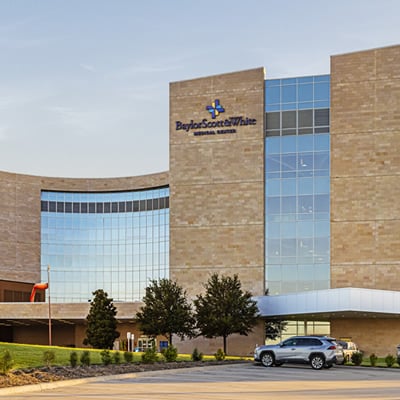
5252 W University Dr Highway 380 at Lake Forest Drive, McKinney, TX, 75071
5252 W University Dr Highway 380 at Lake Forest Drive, McKinney, TX, 75071
Accepting walk-ins
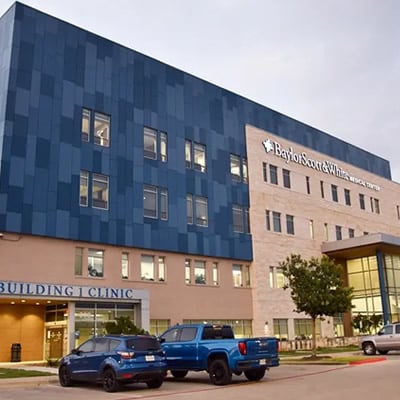
2600 E Pflugerville Pkwy Bldg 1, Ste 100, Pflugerville, TX, 78660
2600 E Pflugerville Pkwy Bldg 1, Ste 100, Pflugerville, TX, 78660
Accepting walk-ins
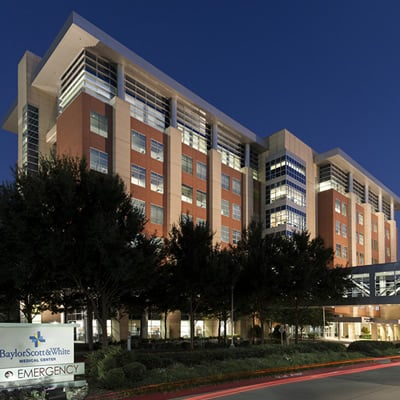
4700 Alliance Blvd , Plano, TX, 75093
4700 Alliance Blvd , Plano, TX, 75093
Accepting walk-ins

300 University Blvd , Round Rock, TX, 78665
300 University Blvd , Round Rock, TX, 78665
Accepting walk-ins
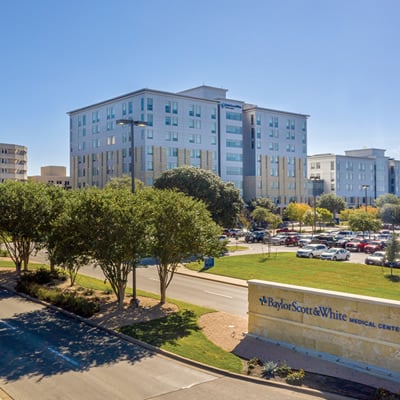
2401 S 31st St , Temple, TX, 76508
2401 S 31st St , Temple, TX, 76508
Accepting walk-ins
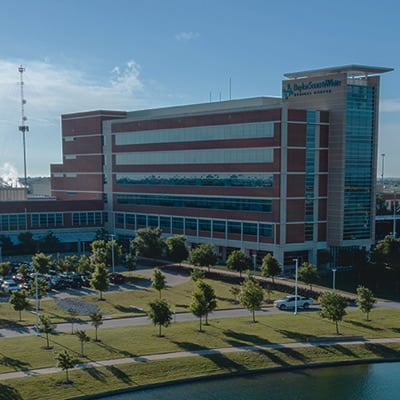
2400 N Interstate 35E , Waxahachie, TX, 75165
2400 N Interstate 35E , Waxahachie, TX, 75165
Accepting walk-ins
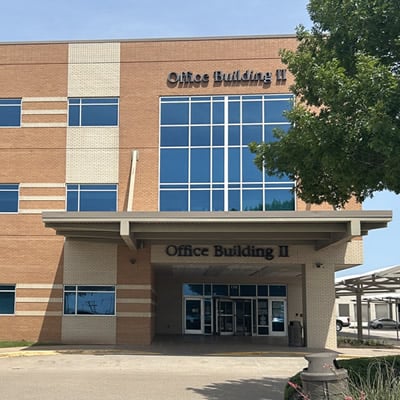
120 Hillcrest Medical Blvd Office Building 2, Ste 201-2, Waco, TX, 76712
120 Hillcrest Medical Blvd Office Building 2, Ste 201-2, Waco, TX, 76712
Not accepting walk-ins

4461 Coit Rd Ste 205, Frisco, TX, 75035
4461 Coit Rd Ste 205, Frisco, TX, 75035
Not accepting walk-ins

16050 Everwell Ln Professional Pavilion I, Ste 200, Frisco, TX, 75033
16050 Everwell Ln Professional Pavilion I, Ste 200, Frisco, TX, 75033
Not accepting walk-ins

1631 Lancaster Dr Ste 370, Grapevine, TX, 76051
1631 Lancaster Dr Ste 370, Grapevine, TX, 76051
Not accepting walk-ins

1005 W Ralph Hall Pkwy Ste 115, Rockwall, TX, 75032
1005 W Ralph Hall Pkwy Ste 115, Rockwall, TX, 75032
Not accepting walk-ins

9500 Lakeview Pkwy Ste 100, Rowlett, TX, 75088
9500 Lakeview Pkwy Ste 100, Rowlett, TX, 75088
Not accepting walk-ins
2460 N Interstate 35E Ste 225, Waxahachie, TX, 75165
2460 N Interstate 35E Ste 225, Waxahachie, TX, 75165
Not accepting walk-ins
9101 N Central Expy Ste 250, Dallas, TX, 75231
9101 N Central Expy Ste 250, Dallas, TX, 75231
Not accepting walk-ins
907 Mountain Lion Cir , Harker Heights, TX, 76548
907 Mountain Lion Cir , Harker Heights, TX, 76548
Not accepting walk-ins

2405 S Clear Creek Rd , Killeen, TX, 76549
2405 S Clear Creek Rd , Killeen, TX, 76549
Not accepting walk-ins
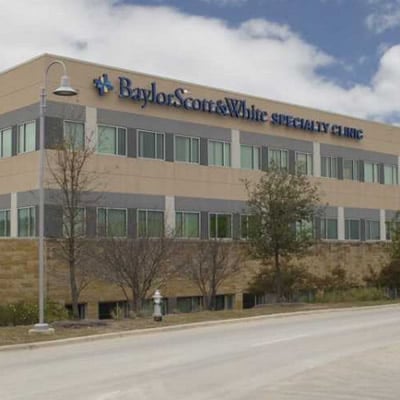
200 Medical Pkwy , Lakeway, TX, 78738
200 Medical Pkwy , Lakeway, TX, 78738
Not accepting walk-ins

800 W State Hwy 71 , Marble Falls, TX, 78654
800 W State Hwy 71 , Marble Falls, TX, 78654
Accepting walk-ins
213 Millcreek Dr Ste 190, Salado, TX, 76571
213 Millcreek Dr Ste 190, Salado, TX, 76571
Not accepting walk-ins
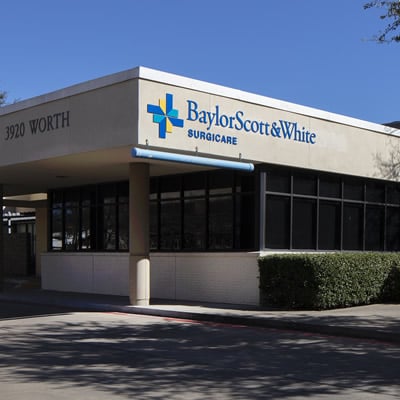
4020 Junius St , Dallas, TX, 75246
4020 Junius St , Dallas, TX, 75246
Not accepting walk-ins
530 Clara Barton Blvd Ste 100, Garland, TX, 75042
530 Clara Barton Blvd Ste 100, Garland, TX, 75042
Not accepting walk-ins
3600 Gaston Ave Wadley Tower, Ste 1158, Dallas, TX, 75246
3600 Gaston Ave Wadley Tower, Ste 1158, Dallas, TX, 75246
Not accepting walk-ins
2460 N Interstate 35E Ste 165, Waxahachie, TX, 75165
2460 N Interstate 35E Ste 165, Waxahachie, TX, 75165
Not accepting walk-ins

3500 Gaston Ave , Dallas, TX, 75246
3500 Gaston Ave , Dallas, TX, 75246
Accepting walk-ins