What is rectal cancer screening?

Rectal cancer screening detects signs of cancer in the rectum. Rectal cancer doesn’t always cause symptoms in its early stages, so screenings are important to catch the condition as soon as possible.

If your screening shows signs of rectal cancer, you’ll have additional testing to help diagnose the condition. When found early, rectal cancer is considered very treatable.

medical provider speaking with male patient about rectal cancer screening options in medical setting

Why is rectal cancer screening so important?

Screening for rectal cancer is important as it can find any signs of cancer in its earliest stages when it's easier to treat. Choosing a colonoscopy for your screening can also remove precancerous rectal polyps and prevent cancer from developing.

Colorectal cancer is one of the top five types of cancer diagnosed in the United States. However, with screening options that help stop rectal cancer before it has the chance to grow, the number of overall cases of this type of cancer has been decreasing.

Rectal cancer symptoms are typically not immediately noticeable when the cancer first develops. Screening is one of the best ways to find cancer in its early stages. When localized rectal cancer is found before it can spread, the five-year survival rate is 90%.

rectal cancer illustration

Rectal cancer screening guidelines

For people with an average risk, the rectal cancer screening guidelines from the U.S. Preventive Services Task Force recommend starting routine colorectal screenings at 45 years old. This age was previously 50, but the guidelines lowered the age to 45 in 2021, partly due to an increase in colorectal cancer in younger adults.

The guidelines include several types of screening options, from stool tests to exams that look inside your rectum and colon. It’s important to talk with your doctor about the benefits of each option and the right choice for you. If you have any risk factors for rectal cancer, you should also talk with your healthcare provider about starting screening sooner than age 45. You may need a specific type of screening based on your risk.

Compare screening guidelines for average and higher-risk people:

Better understand your options—rectal cancer screening tests

The first step to protecting yourself from rectal cancer is understanding your screening options. Some people hesitate to get screened for colorectal cancer because they don’t realize they have choices. Knowing the benefits of each type of test and what to expect can help put your mind at ease.

Colonoscopy is one of the most known and recommended rectal cancer screening tests. It can detect rectal cancer and remove rectal polyps before they become cancer. However, any screening for rectal cancer is better than no screening. Talk with your doctor and plan to get screened with an option that works for you.

If you choose a screening other than colonoscopy, it’s important to know that a diagnostic colonoscopy usually follows up on any abnormal screening results found during another test.

Our locations near you

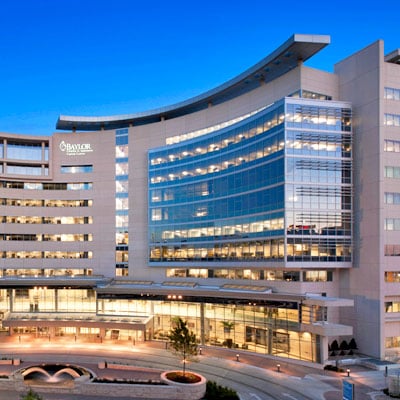
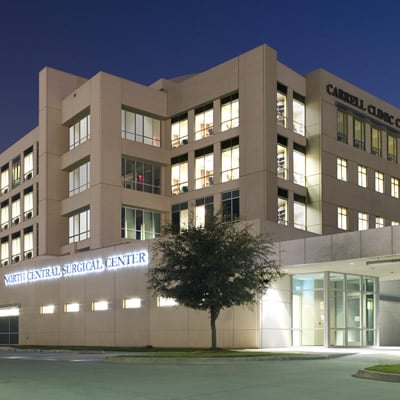
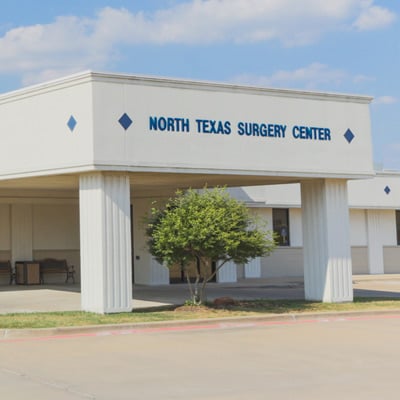
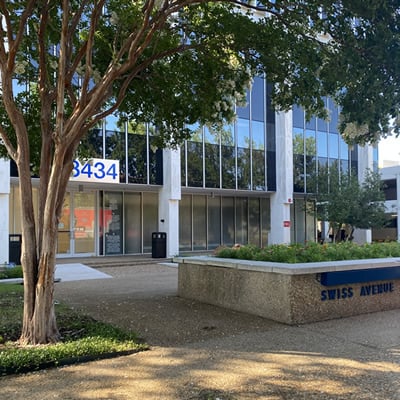
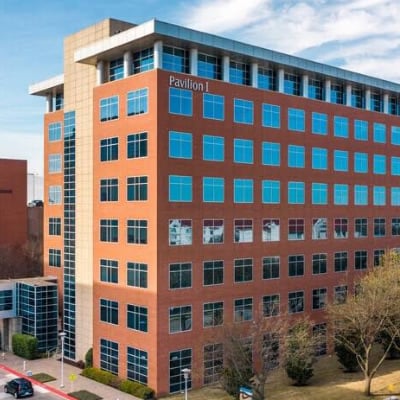
We help you get care at a location that fits your needs. We offer several locations for your care, including rectal cancer screening and diagnostic options in North and Central Texas.
Loading locations...

Loading locations...

Frequently asked questions