What is a stroke?

A stroke is a medical emergency that occurs when an area of the brain doesn’t receive enough oxygen-rich blood to function properly. As a result, cells in the affected part of the brain no longer work. The loss of too many brain cells can cause permanent damage to your physical, cognitive and emotional health, including paralysis and memory loss. Strokes can also be fatal. If you or someone around you may be having a stroke, call 911 right away. A stroke needs immediate attention. Quick treatment can save a life and reduce the risk of serious complications. Don’t wait—every second matters.

Take our quiz to learn about your stroke risk and how to reduce it

image https://bswh-p-001.sitecorecontenthub.cloud/api/public/content/a0f24385172c48229d55ae9dabc79617?v=4451a1ed

Types of strokes

All strokes interrupt blood flow to part of the brain. However, why they occur varies, and the cause of a stroke plays a key role in how physicians treat this condition.

Most strokes occur because a blood clot or a deposit of a fatty substance called plaque prevents blood from reaching an area of the brain. In some cases, these blockages are temporary and clear up on their own.

Less commonly, an artery in the brain may leak or break, flooding part of the tissue with blood and causing cells to die under the pressure.

Types of stroke include:

Stroke symptoms

Stroke symptoms can affect your whole body, and they often occur without warning. The symptoms you experience depend on the area of the brain affected and the bodily functions that area controls.

In general, the sudden appearance of any one or combination of the following symptoms may indicate a stroke:

  • Blurred vision, double vision or loss of vision
  • Confusion
  • Difficulty speaking or understanding others’ speech
  • Facial drooping
  • Intense headache
  • Loss of balance or coordination
  • Numbness or weakness on one side of the body
AdobeStock_236237534.jpeg

Stroke risk factors

A stroke can happen to anyone at any age, but certain factors increase your risk. While you can't change your age or family history, understanding your risk and making healthy choices can help lower your chances of having a stroke.

Certain factors you can control make up 80% to 90% of all strokes:

Both types of stroke—ischemic and hemorrhagic—share common risk factors like high blood pressure, diabetes and high cholesterol. However, some factors are unique to each type. For example, blood clots can form from heart conditions like coronary artery disease or atrial fibrillation, while bleeding can happen from taking blood thinners.

Other risk factors include lifestyle, genetics and your environment:

Ask the Expert: Stroke causes and risk factors

What causes a stroke? Can diabetes increase stroke risk? Do you know what to do if someone is having a stroke?

Lauren Fournier, MD, vascular neurologist on the Baylor Scott & White medical staff, answers common questions about stroke and shares signs of stroke to look for.

Ask the Expert stroke video

How is a stroke diagnosed?

Calling 911 is the most effective way to ensure doctors can diagnose a stroke and start treatment as quickly as possible. When you arrive in the emergency department, a team that includes an emergency medicine physician, neurologist and other providers will diagnose a stroke by looking at your symptoms, medical history and results from tests and exams. They will determine the type of stroke, what caused it, which part of your brain was affected, and whether there was any bleeding. If you’ve had a transient ischemic attack (TIA), your doctor will investigate the cause to help prevent a stroke in the future.

image https://bswh-p-001.sitecorecontenthub.cloud/api/public/content/4e4eac1dfa624b098fcaec8eeaaa0ddc?v=fb13ecd7

Stroke treatment

Your doctor will treat your stroke based mostly on two factors: type and time.
Treatment for an ischemic stroke typically focuses on breaking up a blood clot and restoring blood flow as quickly as possible. If you are having a hemorrhagic stroke, your doctor will want to reduce blood pressure and stop the bleeding as soon as possible.

Based on the information provided by the medical history, neurological exam, imaging exams and other tests, your stroke care team will decide on the most appropriate form of treatment that can protect your health and limit long-term damage.

Rapid stroke care when it matters most

When every minute counts, our expansive telestroke network provides vascular neurology consultations within minutes, 24/7, connecting people at hospitals across Central and Northern Texas with Baylor Scott & White stroke specialists.

With telestroke technology, your stroke team can:

  • Consult with a board-certified stroke neurologist within minutes
  • Reduce the time needed to deliver stroke treatments
  • Improve outcomes for you or a loved one having a stroke
image https://bswh-p-001.sitecorecontenthub.cloud/api/public/content/de0f2d133ab446ee82852a95f101bfc2?v=8ff17023

Finding strength together: stroke support resources

Looking for a stroke support group near you? Baylor Scott & White offers a network of stroke resources designed to support both survivors and caregivers. Whether you prefer connecting virtually or attending in-person meetings across North and Central Texas, our stroke support groups provide a welcoming space to share, learn and heal.

Recovering from a stroke can be a challenging journey. Our support groups help survivors and their loved ones navigate life after a stroke, offering encouragement, shared experiences and practical advice. While family and friends are vital to recovery, connecting with others who truly understand can make a difference.

No matter where you receive care, all stroke survivors and caregivers are welcome to join our stroke support groups. You're not alone—we're here to help.

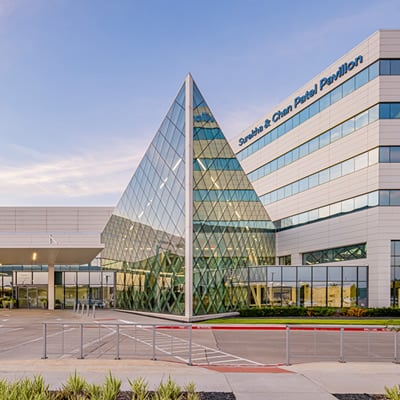
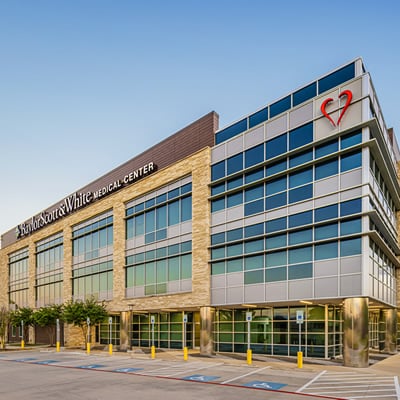
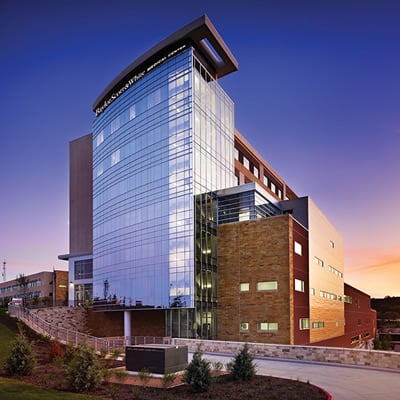
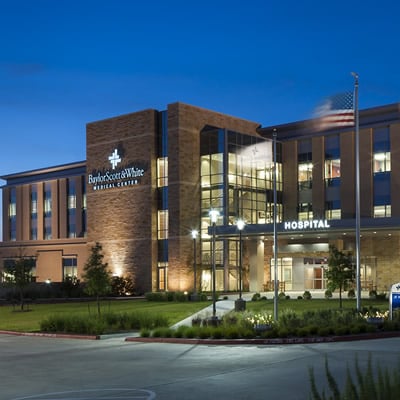
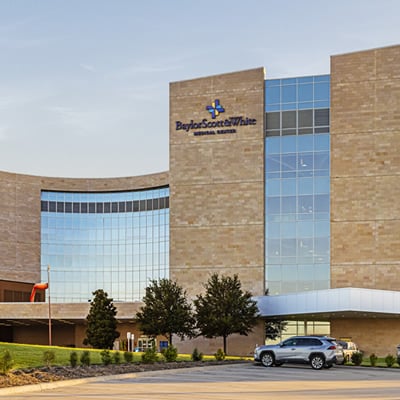
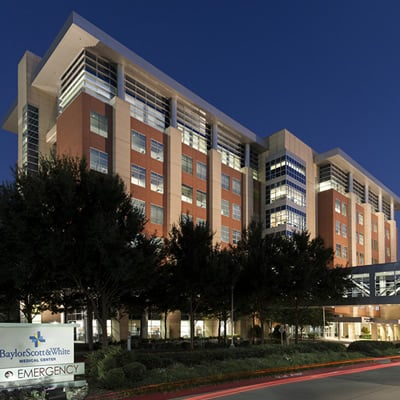
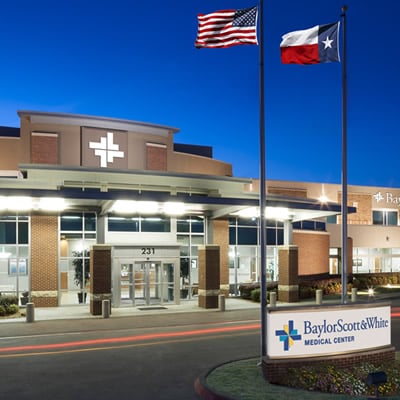
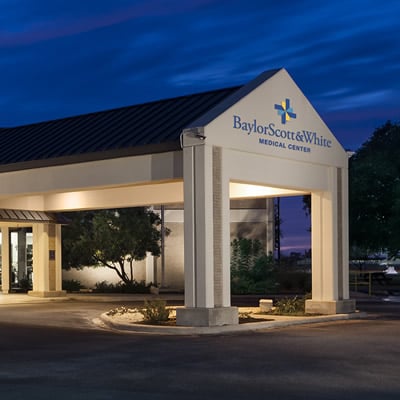
Stroke care locations near you

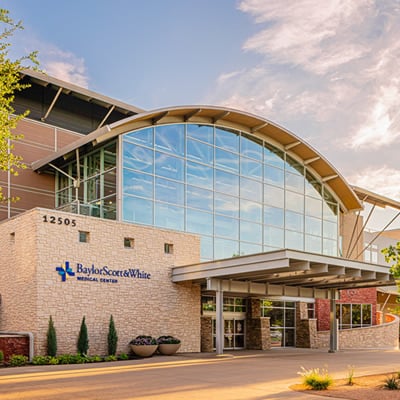
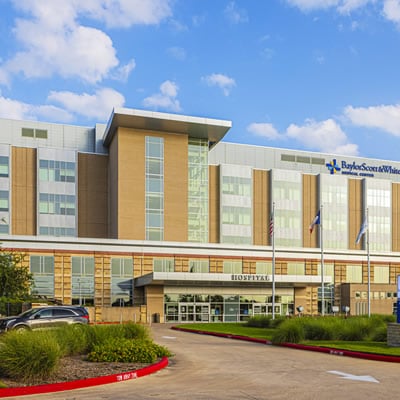
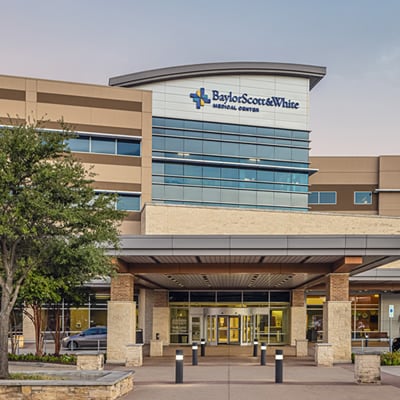
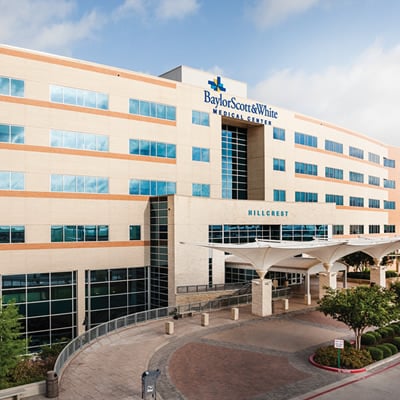
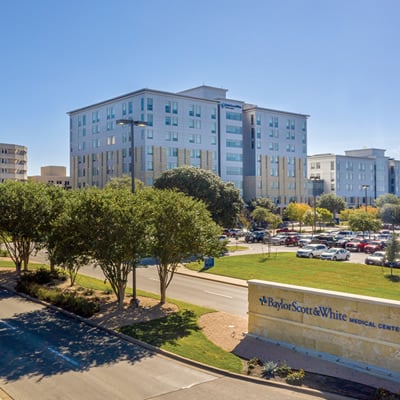
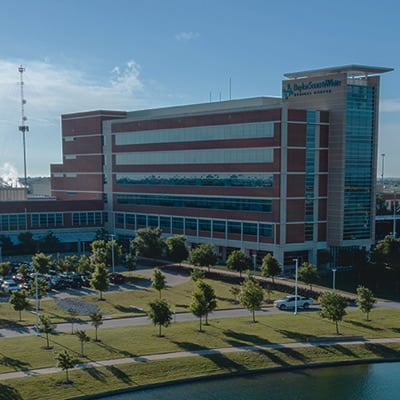
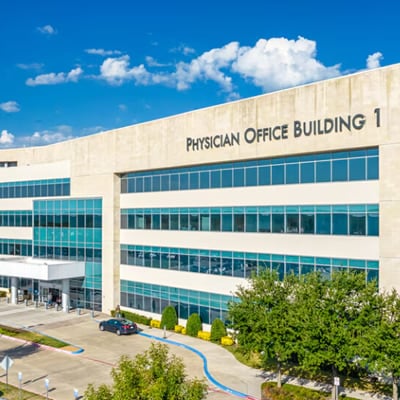
When a stroke happens, every second counts. Getting fast, specialized care can make all the difference. Our network of stroke care locations ensures that you or your loved one can receive expert treatment as quickly as possible. Find a stroke care center near you and get the critical care you need, close to home.

Loading locations...

Loading locations...

Frequently asked questions