

Understanding each stage of your pregnancy
While a full-term pregnancy lasts 40 weeks, there are many milestones along the way. Pregnancy is divided into three stages, known as trimesters. Week by week, each stage takes your baby one step closer to delivery. The obstetrician-gynecologists (OBGYNs) at Baylor Scott & White provide comprehensive, compassionate maternity care for every trimester of your pregnancy.
First trimester: Weeks 1 to 12
At your first routine maternal health checkup, your OBGYN will confirm whether you are pregnant and establish your due date. Your OBGYN will provide education to help you make healthy choices for your pregnancy. People with a typical pregnancy will see their OBGYN monthly during the first trimester.
Providers typically measure pregnancy in weeks, starting from the first day of your last menstrual period. Over the first 12 weeks, you release an egg, which is fertilized by sperm and implants in your uterus. The fertilized egg, a single cell, divides many times until it forms an embryo and then, at about 10 weeks, a fetus with facial features and a detectable heartbeat. By week 12, your fetus is about 3 inches long and weighs about an ounce.
Early signs and symptoms
During early pregnancy, you may experience symptoms including:
- Changes in your bathroom habits, such as constipation or needing to go more often
- Exhaustion
- Food cravings or aversions
- Headaches
- Heartburn, nausea or vomiting
- Mood swings
- Tender or swollen breasts
- Weight changes (either losing or gaining weight)
No single sign means you are pregnant. However, if you experience several symptoms together or have missed a period, you may want to take a pregnancy test or come to your OBGYN’s office for testing. If a home pregnancy test confirms pregnancy, make an appointment with your OBGYN right away to get your pregnancy off to a healthy start.
Second trimester: Weeks 13 to 28
In the second trimester, you will continue to visit your OBGYN each month unless you need extra care. Your OBGYN will provide other tests you may need to keep you and your baby healthy. For instance, a diabetes test may influence their guidance for nutritious eating throughout pregnancy. Your OBGYN may also recommend that you receive certain vaccinations.
During this second stage of pregnancy, your baby develops rapidly. By week 28, your baby is about a foot long and may weigh up to 1.5 pounds. Their bones begin to harden, make blood cells, and move.
Growth and development
You and your baby are both growing during the second trimester. Your baby’s skeleton and organs continue to develop. They have sleep and wake cycles. At around week 22, many people can feel their baby moving.
Your body will also continue to change. Your belly expands as your uterus grows to accommodate your baby. Your blood volume increases, as does the amount of blood your heart pumps, known as your cardiac output. In other words, your body is working hard.
Third trimester: Weeks 29 to 40
Generally, checkups occur every two 2-3 weeks from week 28 through week 36, then weekly until your baby arrives. During these visits, your OBGYN will continue to monitor your baby’s health. They’ll discuss your birth plans with you and may offer resources such as childbirth and parenting classes, lactation consultation, and other services for you and your baby.
During the third trimester of pregnancy, your baby finishes growing and even begins to add fat. A full-term infant generally arrives between 39 and 40 weeks. Full-term babies may weigh between 6 and 9 pounds and be around 19 to 21 inches long.
Final development stages
During the third trimester, your baby prepares for birth. Their lungs and other organs finish developing, and their bones continue to harden. They may turn their head down in preparation for childbirth.
Your body also changes as you gain more weight and experience the baby settling lower into your pelvis or “dropping.” You may begin to feel heaviness in your breasts and even leak a few drops of colostrum, a watery, milk-like substance.
Fourth trimester: After baby arrives
Many people describe the 12 weeks after birth as the fourth trimester of pregnancy. During this postpartum phase, your body continues to change as you recover from childbirth and many of the physical changes of pregnancy reverse.
Postpartum visits will occur, at minimum, within three weeks after birth and again at six weeks. Your OBGYN will check that you’re healing physically and monitor your mental well-being. Your OBGYN will also provide contraceptive guidance if you want it. If you experienced high blood pressure or gestational diabetes when you were pregnant, your OBGYN may perform a risk assessment and help you coordinate care for these conditions.
Moms who deliver at BSWH have access to Virtual Postpartum Care for comprehensive support during those first six months after delivery. You can speak directly to a Nurse Care Advocate for personalized guidance and access specialists for lactation support and pelvic floor therapy – all through convenient virtual services.
Healthcare after delivery
Your baby will have their first visit with a pediatrician during their first week of life. You should also keep in touch with your OBGYN to discuss concerns about your health and attend postpartum checkups as scheduled to help ensure a good recovery.
You may experience pain from tearing during a vaginal birth or from a cesarean section. Some women develop hemorrhoids after delivery, as well. Call your OBGYN if your pain does not go away in a few weeks.
Also, watch for symptoms of high blood pressure or postpartum preeclampsia, which could include:
- Bad headaches
- Blurry vision, sensitivity to light, temporary vision loss or other vision changes
- Pain under your ribs, usually on the right side
- Nausea and vomiting
- Shortness of breath
- Urinating less than you normally do
Find guidance, care and tools for every stage of your pregnancy.
Our pregnancy services
Routine testing is a big part of prenatal care. Your OBGYN will determine which tests you need based on your health history and the results of your prenatal care visits.
Alpha-fetoprotein (AFP) test
An AFP test is performed around 18 weeks into your pregnancy. This test measures AFP levels, a protein found in the baby's liver. The results of this test can tell if the baby has any genetic disorders or birth defects that affect the brain and spine, known as neural tube defects, including spina bifida.
Amniocentesis
An amniocentesis tests your amniotic fluid, the liquid that surrounds and protects your growing baby in the womb. Performed between weeks 15 and 20, amniocentesis looks for signs of Down syndrome or open neural tube defects, such as spina bifida. This type of test is rare.
Ultrasounds
Ultrasounds are noninvasive tests that use sound waves to project an image. You may receive an ultrasound to check for a heartbeat during your first visit. Your baby is tiny at this stage, but ultrasounds at subsequent checkups help determine how quickly your baby grows, if there are multiples (such as twins) and the baby’s sex.
Noninvasive prenatal testing (NIPT)
NIPT is a blood test that typically happens around 11 weeks into the pregnancy. It analyzes the baby's DNA to screen for abnormalities or genetic defects, such as Down syndrome. This test was developed to replace chorionic villus sampling.
Glucose (blood sugar) screening
Glucose screenings can tell your doctor if you have or are at risk for gestational diabetes. The test is typically performed between 24 and 28 weeks unless urine samples show high blood sugar levels before then.
Rh factor
This blood test tells your doctor if you and your partner have Rh factor, a protein in red blood cells. If one of you does and one does not, you are considered Rh incompatible. In some cases, Rh incompatibility can increase certain risks, and the tests will help your OBGYN guide treatment decisions during pregnancy.
Find a location near you
You can find comprehensive pregnancy care at Baylor Scott & White locations throughout North and Central Texas.
1400 8th Ave , Fort Worth, TX, 76104
1400 8th Ave , Fort Worth, TX, 76104
Accepting walk-ins
Patients in line:
2608 Brockton Dr , Austin, TX, 78758
2608 Brockton Dr , Austin, TX, 78758
Not accepting walk-ins
Patients in line:

604 US 290 , Brenham, TX, 77833
604 US 290 , Brenham, TX, 77833
Not accepting walk-ins
Patients in line:

910 E Whitestone Blvd , Cedar Park, TX, 78613
910 E Whitestone Blvd , Cedar Park, TX, 78613
Not accepting walk-ins
Patients in line:

800 Scott and White Dr , College Station, TX, 77845
800 Scott and White Dr , College Station, TX, 77845
Not accepting walk-ins
Patients in line:
2600 E Pflugerville Pkwy Bldg 1, Ste 200, Pflugerville, TX, 78660
2600 E Pflugerville Pkwy Bldg 1, Ste 200, Pflugerville, TX, 78660
Not accepting walk-ins
Patients in line:

2600 E Pflugerville Pkwy Building 2, Pflugerville, TX, 78660
2600 E Pflugerville Pkwy Building 2, Pflugerville, TX, 78660
Not accepting walk-ins
Patients in line:

302 University Blvd , Round Rock, TX, 78665
302 University Blvd , Round Rock, TX, 78665
Not accepting walk-ins
Patients in line:

1402 W Ave H , Temple, TX, 76504
1402 W Ave H , Temple, TX, 76504
Accepting walk-ins
Patients in line:
2401 S 31st St , Temple, TX, 76508
2401 S 31st St , Temple, TX, 76508
Not accepting walk-ins
Patients in line:

1713 SW H K Dodgen Loop Bldg II, Ste 100, Temple, TX, 76502
1713 SW H K Dodgen Loop Bldg II, Ste 100, Temple, TX, 76502
Not accepting walk-ins
Patients in line:
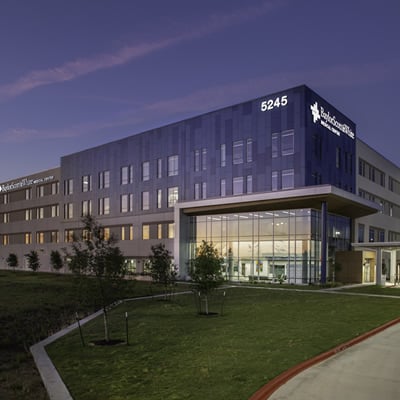
5245 W US Hwy 290 Service Rd , Austin, TX, 78735
5245 W US Hwy 290 Service Rd , Austin, TX, 78735
Accepting walk-ins
Patients in line:

700 Medical Pkwy , Brenham, TX, 77833
700 Medical Pkwy , Brenham, TX, 77833
Accepting walk-ins
Patients in line:

5330 Overpass Rd , Buda, TX, 78610
5330 Overpass Rd , Buda, TX, 78610
Accepting walk-ins
Patients in line:
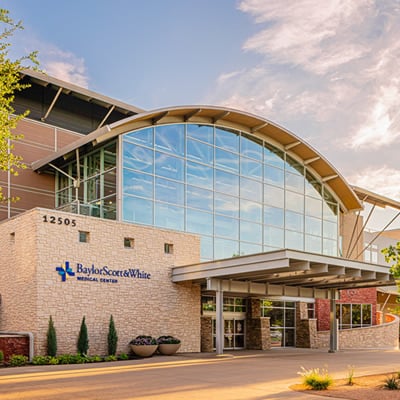
12505 Lebanon Rd , Frisco, TX, 75035
12505 Lebanon Rd , Frisco, TX, 75035
Accepting walk-ins
Patients in line:
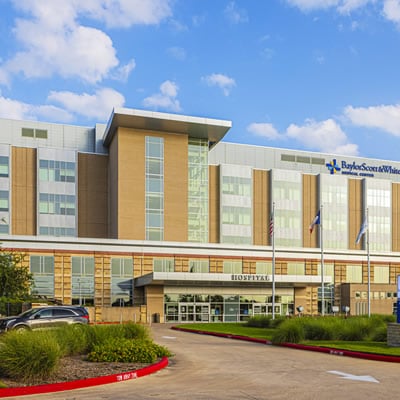
700 Scott and White Dr , College Station, TX, 77845
700 Scott and White Dr , College Station, TX, 77845
Accepting walk-ins
Patients in line:

5601 Warren Pkwy , Frisco, TX, 75034
5601 Warren Pkwy , Frisco, TX, 75034
Accepting walk-ins
Patients in line:

7600 Better Way , Frisco, TX, 75033
7600 Better Way , Frisco, TX, 75033
Accepting walk-ins
Patients in line:

1650 W College St , Grapevine, TX, 76051
1650 W College St , Grapevine, TX, 76051
Accepting walk-ins
Patients in line:
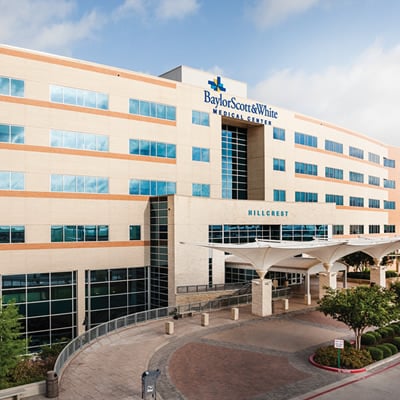
100 Hillcrest Medical Blvd , Waco, TX, 76712
100 Hillcrest Medical Blvd , Waco, TX, 76712
Accepting walk-ins
Patients in line:

1901 N MacArthur Blvd , Irving, TX, 75061
1901 N MacArthur Blvd , Irving, TX, 75061
Accepting walk-ins
Patients in line:
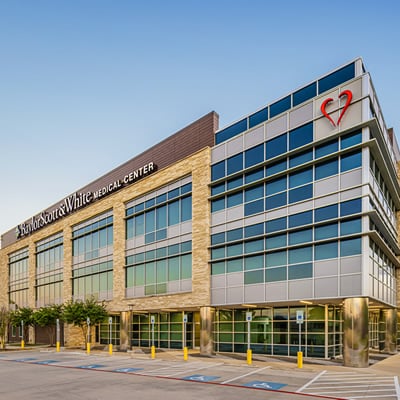
6800 Scenic Dr , Rowlett, TX, 75088
6800 Scenic Dr , Rowlett, TX, 75088
Accepting walk-ins
Patients in line:

100 Medical Pkwy , Lakeway, TX, 78738
100 Medical Pkwy , Lakeway, TX, 78738
Accepting walk-ins
Patients in line:

810 W State Hwy 71 , Marble Falls, TX, 78654
810 W State Hwy 71 , Marble Falls, TX, 78654
Accepting walk-ins
Patients in line:

5252 W University Dr Highway 380 at Lake Forest Drive, McKinney, TX, 75071
5252 W University Dr Highway 380 at Lake Forest Drive, McKinney, TX, 75071
Accepting walk-ins
Patients in line:
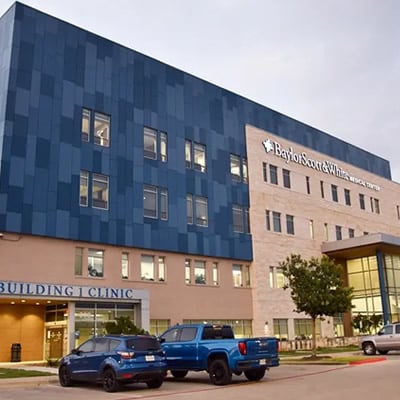
2600 E Pflugerville Pkwy Bldg 1, Ste 100, Pflugerville, TX, 78660
2600 E Pflugerville Pkwy Bldg 1, Ste 100, Pflugerville, TX, 78660
Accepting walk-ins
Patients in line:
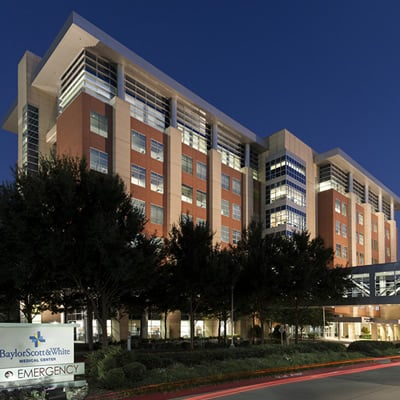
4700 Alliance Blvd , Plano, TX, 75093
4700 Alliance Blvd , Plano, TX, 75093
Accepting walk-ins
Patients in line:

300 University Blvd , Round Rock, TX, 78665
300 University Blvd , Round Rock, TX, 78665
Accepting walk-ins
Patients in line:
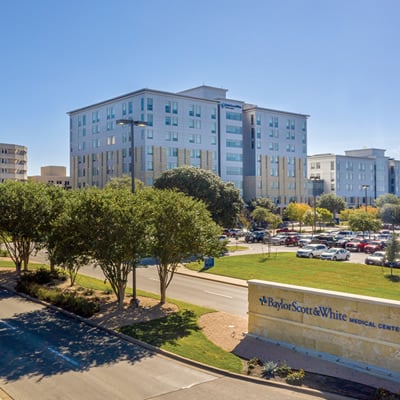
2401 S 31st St , Temple, TX, 76508
2401 S 31st St , Temple, TX, 76508
Accepting walk-ins
Patients in line:
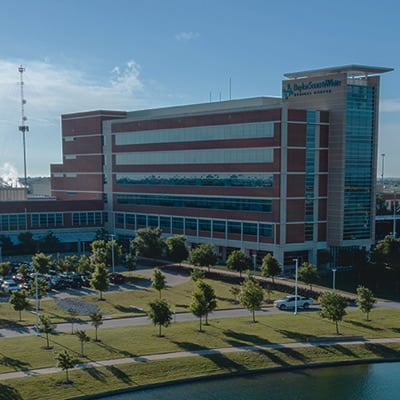
2400 N Interstate 35E , Waxahachie, TX, 75165
2400 N Interstate 35E , Waxahachie, TX, 75165
Accepting walk-ins
Patients in line:
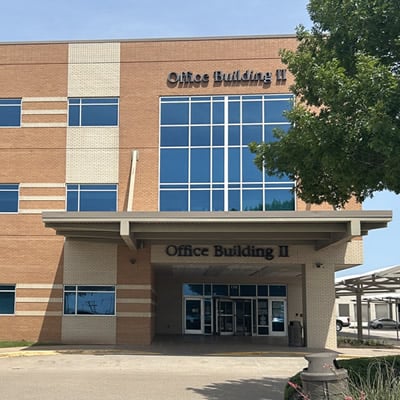
Baylor Scott & White OB/GYN Clinic - Waco
120 Hillcrest Medical Blvd Office Building 2, Ste 201-2, Waco, TX, 76712
Baylor Scott & White OB/GYN Clinic - Waco
120 Hillcrest Medical Blvd Office Building 2, Ste 201-2, Waco, TX, 76712
Not accepting walk-ins
Patients in line:

4461 Coit Rd Ste 205, Frisco, TX, 75035
4461 Coit Rd Ste 205, Frisco, TX, 75035
Not accepting walk-ins
Patients in line:

16050 Everwell Ln Professional Pavilion I, Ste 200, Frisco, TX, 75033
16050 Everwell Ln Professional Pavilion I, Ste 200, Frisco, TX, 75033
Not accepting walk-ins
Patients in line:

1631 Lancaster Dr Ste 370, Grapevine, TX, 76051
1631 Lancaster Dr Ste 370, Grapevine, TX, 76051
Not accepting walk-ins
Patients in line:

1005 W Ralph Hall Pkwy Ste 115, Rockwall, TX, 75032
1005 W Ralph Hall Pkwy Ste 115, Rockwall, TX, 75032
Not accepting walk-ins
Patients in line:

9500 Lakeview Pkwy Ste 100, Rowlett, TX, 75088
9500 Lakeview Pkwy Ste 100, Rowlett, TX, 75088
Not accepting walk-ins
Patients in line:
2460 N Interstate 35E Ste 225, Waxahachie, TX, 75165
2460 N Interstate 35E Ste 225, Waxahachie, TX, 75165
Not accepting walk-ins
Patients in line:
9101 N Central Expy Ste 250, Dallas, TX, 75231
9101 N Central Expy Ste 250, Dallas, TX, 75231
Not accepting walk-ins
Patients in line:
907 Mountain Lion Cir , Harker Heights, TX, 76548
907 Mountain Lion Cir , Harker Heights, TX, 76548
Not accepting walk-ins
Patients in line:

2405 S Clear Creek Rd , Killeen, TX, 76549
2405 S Clear Creek Rd , Killeen, TX, 76549
Not accepting walk-ins
Patients in line:
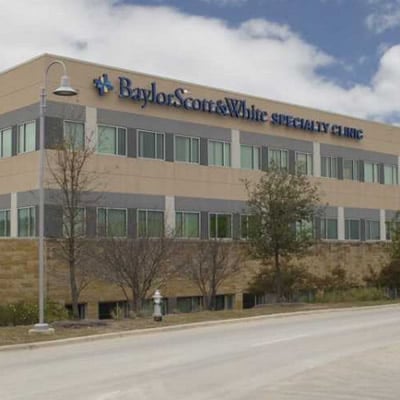
200 Medical Pkwy , Lakeway, TX, 78738
200 Medical Pkwy , Lakeway, TX, 78738
Not accepting walk-ins
Patients in line:

800 W State Hwy 71 , Marble Falls, TX, 78654
800 W State Hwy 71 , Marble Falls, TX, 78654
Accepting walk-ins
Patients in line:
213 Millcreek Dr Ste 190, Salado, TX, 76571
213 Millcreek Dr Ste 190, Salado, TX, 76571
Not accepting walk-ins
Patients in line:

4020 Junius St , Dallas, TX, 75246
4020 Junius St , Dallas, TX, 75246
Not accepting walk-ins
Patients in line:

530 Clara Barton Blvd Ste 100, Garland, TX, 75042
530 Clara Barton Blvd Ste 100, Garland, TX, 75042
Not accepting walk-ins
Patients in line:
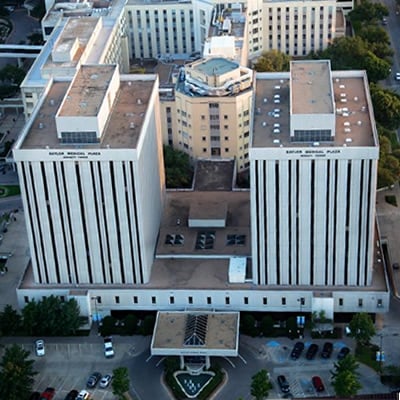
3600 Gaston Ave Wadley Tower, Ste 1158, Dallas, TX, 75246
3600 Gaston Ave Wadley Tower, Ste 1158, Dallas, TX, 75246
Not accepting walk-ins
Patients in line:
2460 N Interstate 35E Ste 165, Waxahachie, TX, 75165
2460 N Interstate 35E Ste 165, Waxahachie, TX, 75165
Not accepting walk-ins
Patients in line:

3500 Gaston Ave , Dallas, TX, 75246
3500 Gaston Ave , Dallas, TX, 75246
Accepting walk-ins
Patients in line:
Virtual Postpartum Care
Postpartum care doesn't stop when you leave the hospital. With the Virtual Postpartum Care program, you'll have access to the support you need—all from the comfort of your home.