What is colorectal cancer?

Colorectal cancer is a type of cancer that begins in the lining of your colon or rectum, which are parts of the large intestine. The term colorectal cancer includes both colon cancer and rectal cancer. Together, these cancers are among the top five types of cancer diagnosed today.

Colorectal cancer starts as a polyp, an abnormal outgrowth of cells on the lining of the colon and rectum. When these polyps are found early and removed, colorectal cancer can be prevented from having the chance to develop. Beyond removing polyps, if colorectal cancer is caught in the earliest stages, the five-year survival rate is around 90%. This is why early detection and screening for colorectal cancer is so important. It is recommended for individuals to begin screening for polyps and cancer at the age of 45. This age is younger if there is a family history of cancer and polyps.

Our team of specialists will partner with you to reduce your risk of colorectal cancer and navigate your options after a diagnosis. From screenings to innovative clinical trials, we give you access to the resources you need to care for colorectal cancer.

Symptoms of colorectal cancer

One way to protect yourself from colorectal cancer is to know the symptoms and when to get checked. When colorectal cancer first develops, you may not have any noticeable signs. If you do have colorectal cancer symptoms, they might be very similar to other common digestive diseases, from infections to irritable bowel syndrome.

Early symptoms of colorectal cancer tend to be related to your digestive system. In rectal cancer, rectal bleeding or blood in the stool is one of the most common symptoms, while colon cancer may cause changes in bowel habits or abdominal cramping. As colorectal cancer reaches its later stages, you may have symptoms that affect your whole body, like fatigue or weight loss.

Colorectal cancer causes

Colorectal cancer occurs when abnormal cells in your colon or rectum multiply and grow rapidly. In most cells, specific genes control how they divide and stay functional. However, if these genes undergo mutations, they might not function properly. This could lead to the formation of cancer. Studies are ongoing to understand why this happens in some people, but researchers have found several factors that increase the risk of colorectal cancer.

Colorectal cancer risk factors

Several factors increase your risk of developing colorectal cancer. In some cases, you can take steps to control or reduce your risk factors, but some may not be within your control. By knowing your risk factors for colorectal cancer and talking with your doctor, you’ll have the information you need to make choices to protect yourself—such as lifestyle changes or routine screenings.

couple sitting in doctor office discussing colorectal cancer risk factors with medical professional

Colorectal cancer diagnosis

Many tests are available today to screen, diagnose or determine the stage of colorectal cancer. While colorectal cancer screenings look for signs of cancer when you have no symptoms, diagnostic tests are used as a follow-up to a screening or when you have symptoms that need a closer look.

One of the most common tests used to diagnose colorectal cancer is a colonoscopy. It can help catch colorectal cancer in its early stages and allows your doctor to take tissue samples to diagnose the tumor. Early diagnosis is vital in treating colorectal cancer because it gives you more options, including surgical care that can preserve as much of your normal intestinal tract as possible.

Endoscopic tests

Endoscopic tests use a thin, flexible tube with a camera and a light to see the colon and rectum. This scope is inserted through the anus into the intestinal tract to look for areas of cancer or polyps.

  • Colonoscopy: A colonoscopy is an endoscopic test that lets your doctor view the entire rectum and colon. Your provider can also remove polyps and take samples of tissue to confirm the cancer diagnosis.
  • Sigmoidoscopy: Both sigmoidoscopy and flexible sigmoidoscopy use a small scope to look at the rectum and lower portion of the colon, but the upper part isn’t viewed. As a result, sigmoidoscopy can help diagnose rectum cancer, but it doesn’t catch cancers higher up in the colon.

Treatment for colorectal cancer

Your colorectal cancer treatment plan should be tailored to your individual needs. Colorectal cancer is best treated in a multidisciplinary team setting with multiple specialists working together to tailor your treatment plan to your cancer. Our locations offer a team of specialists and many support services and resources to help guide your care. After your diagnosis, your team will work with you to plan your next steps so you feel informed and confident in your treatment choices.

In many cases, surgery is used to treat colorectal cancer. The treatments you undergo might involve more than surgery; chemotherapy or radiation could also be considered. The specific treatments depend on various factors and whether you have colon or rectal cancer. In the later stages of colorectal cancer, your care may include immunotherapy, target therapies or clinical trials.

Colorectal cancer prevention

You can take steps to reduce your risk of colorectal cancer. Through routine screenings, you can often stop colorectal cancer before it starts. Because of the many screening options available to suit your needs, colorectal cancer is considered one of the most preventable types today.

Many factors affect your risk for colorectal cancer and some lifestyle factors are within your control. Healthy dietary choices, regular physical activity, limiting alcohol consumption and quitting smoking are all preventive actions. If you’re ready to take charge of colorectal cancer prevention, talk with your doctor about your next steps.

Colorectal cancer screening

Following your doctor’s guidance on colorectal screening is one of the best ways to prevent colorectal cancer. If you have an average risk of colorectal cancer, the U.S. Preventive Services Task Force recommends starting colorectal screenings at 45.

From stool-based tests to endoscopic procedures like colonoscopy, the guidelines for screening include several options. How often you need screening will depend on which test you choose.

In general, the guidelines recommend the following timing for each type of screening test:

  • gFOBT stool test: Annually
  • FIT stool test: Annually
  • DNA-FIT stool test: Every three years
  • Colonoscopy: Every ten years
  • Virtual colonoscopy: Every five years
  • Flexible sigmoidoscopy: Every five years or every ten years when used with yearly FIT

If you have any factors that put you at a higher risk of colorectal cancer, you should talk with your doctor about starting screening sooner. People with risk factors often need screenings earlier and more often. They’re also more likely to need a specific screening type, usually a colonoscopy.

Lifestyle changes to reduce your risk of colon cancer

Our approach to colorectal cancer

With our team, you have the expert providers, innovative treatments and complete support you need to feel confident at every step of your care. And with Texas's largest network of hospital-based cancer programs, you can find nearby care that fits your life.

Many of our locations offer dedicated colorectal cancer care teams that bring together multiple specialists—all working together for you. Our hospitals include physicians on the medical staff specializing in gastroenterology, medical oncology, colon and rectal surgery, radiation oncology and more.

You also have various support services to care for you as a whole person—from nutrition to genetic counseling to psychological care. No matter where you are in your colorectal cancer journey, our team is dedicated to helping you make informed choices and providing care that maximizes your quality of life.

Advanced diagnosis and treatment

Our extensive cancer services network gives you access to advanced treatments not found at other centers. We offer numerous screening and diagnostic options so that you can work with your doctor to choose the tests that fit your needs.
Our teams focus on providing treatments that reduce recovery time and minimize the effects of treatment as much as possible, including minimally invasive surgery and procedures that preserve the normal function of your digestive tract. With a commitment to ongoing research, you also have access to clinical trials that give you even more options in the fight against colorectal cancer.

  • Early detection through screenings: We make it easy to connect with the routine care you need, including cancer screenings so that you can prevent, detect and beat colorectal cancer.
  • Latest technology: You will have access to dedicated colon and rectal surgeons on the medical staff specializing in advanced surgical care. These experts guide you through your options, including minimally invasive surgical techniques and sphincter-preserving surgeries that can protect your normal digestive function and avoid needing a colostomy bag. Enhanced recovery programs reduce complications and shorten the length of your stay, as well as reduce narcotic use.
  • Innovative research: With our robust cancer research program through the Baylor Scott & White Research Institute, our teams are involved in advancing colorectal cancer treatment. Our cancer programs offer numerous clinical trials, giving you more options and hope.

Supportive care and wellness

Whether you’re coping with a new diagnosis or navigating life after cancer, our team is by your side through it all. We’ve created an entire network of support resources across Texas that are made just for you, including cancer navigators who guide you through your care. We’ll support you through each step so you know what to expect and can confidently move forward.

Colorectal cancer affects many aspects of your life. When you partner with us for your care, we focus on supporting you as a whole person—physically, emotionally, socially, mentally and spiritually. We also have programs designed for your loved ones and caregivers so that they feel supported and informed, too.

Some of our support and wellness services include:

An expert team for colorectal cancer care

The team you choose for your colorectal cancer treatment is important. Together, our cancer programs make up one of the largest networks of cancer centers accredited by the Commission on Cancer in the nation.


Many of our locations are recognized for their expertise in cancer care and have years of experience in advanced treatments for colorectal cancer. We also collaborate with other health organizations and participate in innovative research to improve colorectal cancer care nationally.


In the 2023-2024 “Best Hospitals” list from U.S. News & World Report, we had more hospitals with a nationally ranked specialty than any other healthcare system in Texas. For the fourth consecutive year, Baylor University Medical Center ranked high-performing in specialty care for cancer, placing it in the top 10% nationwide.


Our system also had three hospitals that received national recognition in Gastroenterology & GI Surgery (Dallas, Fort Worth and Temple) and four hospitals recognized as high-performing in Colon Cancer Surgery (Dallas, Fort Worth, Irving and Temple).

Our locations near you

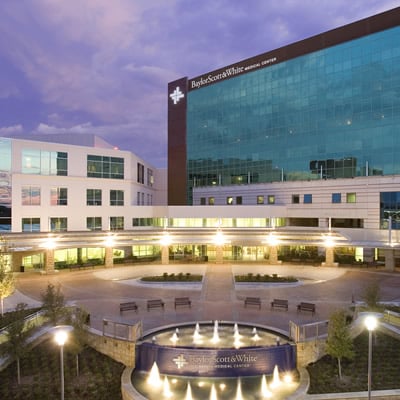
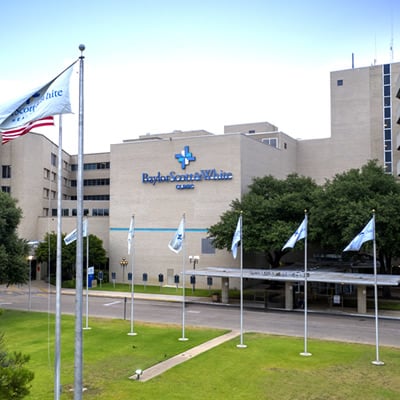
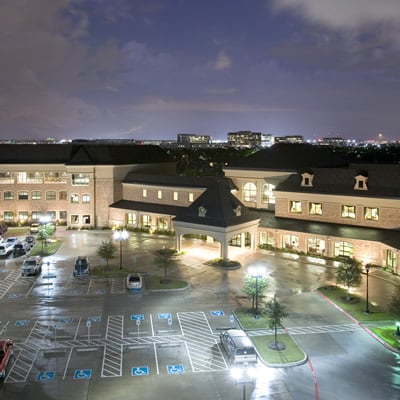
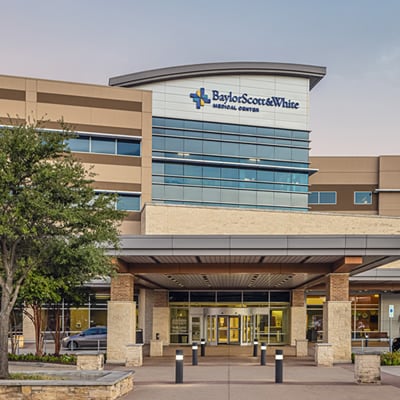
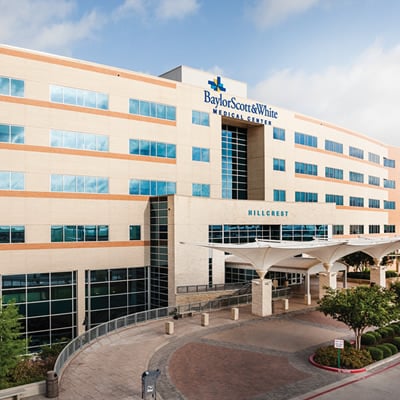
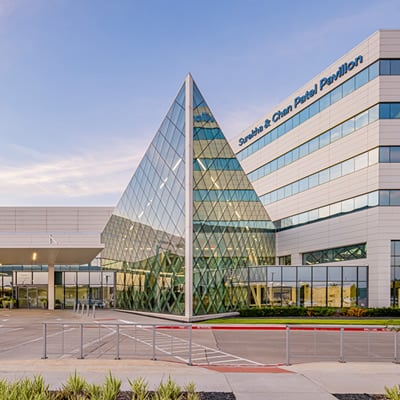
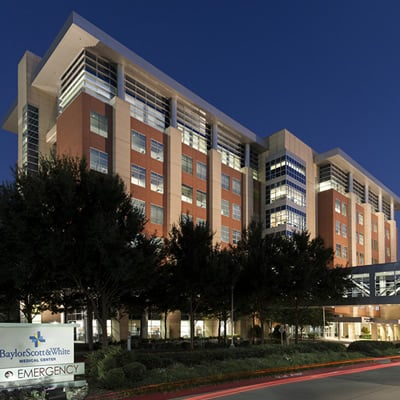
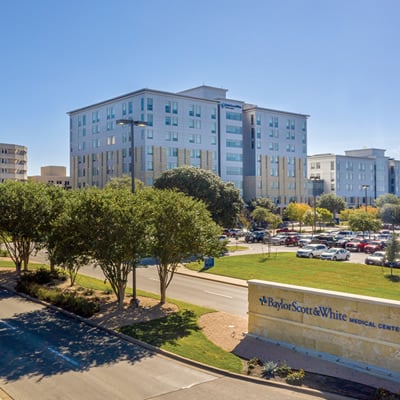
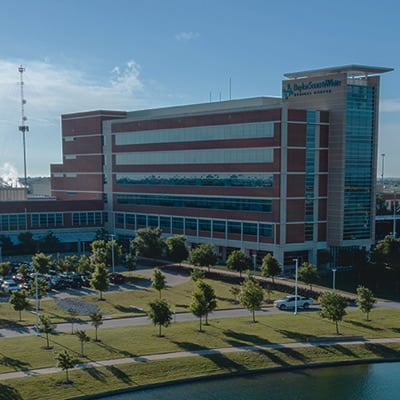
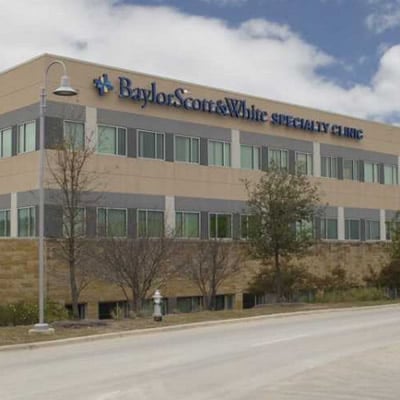
We help you get care at a location that fits your needs. We offer several locations for your care, including colorectal cancer screening, diagnosis and treatment in North and Central Texas.

Accepting walk-ins

Baylor Scott & White Cancer Center - Round Rock

300A University Blvd , Round Rock, TX, 78665

Not accepting walk-ins

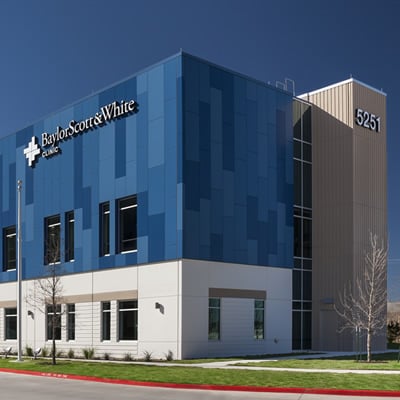
Baylor Scott & White Clinic - Austin Oak Hill

5251 US 290 , Austin, TX, 78735

Not accepting walk-ins

Baylor Scott & White Clinic - Temple

2401 S 31st St , Temple, TX, 76508

Not accepting walk-ins

Baylor Scott & White Colon and Rectal - Waxahachie

2360 N Interstate 35E Ste 310, Waxahachie, TX, 75165

Not accepting walk-ins

Baylor Scott & White Gastroenterology  - Greenville

4400 Interstate 30 W Ste 300, Greenville, TX, 75402

Not accepting walk-ins

Baylor Scott & White Gastroenterology  - Lake Pointe

6705 Heritage Pkwy Ste 203, Rockwall, TX, 75087

Not accepting walk-ins

Baylor Scott & White Hillcrest Colorectal & General Surgery

50 Hillcrest Medical Blvd Ste 105, Waco, TX, 76712

Not accepting walk-ins

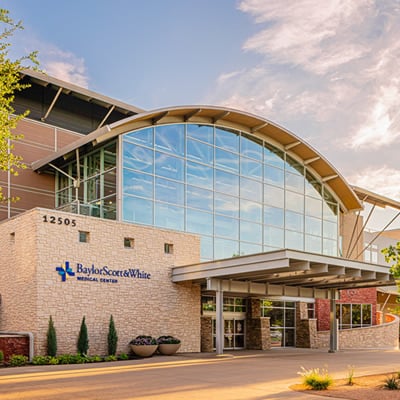
Baylor Scott & White Medical Center - Centennial

12505 Lebanon Rd , Frisco, TX, 75035

Accepting walk-ins

Baylor Scott & White Medical Center - Frisco

5601 Warren Pkwy , Frisco, TX, 75034

Accepting walk-ins

Baylor Scott & White Medical Center - Grapevine

1650 W College St , Grapevine, TX, 76051

Accepting walk-ins

Baylor Scott & White Medical Center - Hillcrest

100 Hillcrest Medical Blvd , Waco, TX, 76712

Accepting walk-ins

Baylor Scott & White Medical Center - Irving

1901 N MacArthur Blvd , Irving, TX, 75061

Accepting walk-ins

Baylor Scott & White Medical Center - Lake Pointe

6800 Scenic Dr , Rowlett, TX, 75088

Accepting walk-ins

Baylor Scott & White Medical Center - Lakeway

100 Medical Pkwy , Lakeway, TX, 78738

Accepting walk-ins

Baylor Scott & White Medical Center - Marble Falls

810 W State Hwy 71 , Marble Falls, TX, 78654

Accepting walk-ins

Baylor Scott & White Medical Center - McKinney

5252 W University Dr Highway 380 at Lake Forest Drive, McKinney, TX, 75071

Accepting walk-ins

Baylor Scott & White Medical Center - Plano

4700 Alliance Blvd , Plano, TX, 75093

Accepting walk-ins

Baylor Scott & White Medical Center - Temple

2401 S 31st St , Temple, TX, 76508

Accepting walk-ins

Baylor Scott & White Medical Center - Waxahachie

2400 N Interstate 35E , Waxahachie, TX, 75165

Accepting walk-ins

Not accepting walk-ins

Not accepting walk-ins

Baylor Scott & White Specialty Clinic - Killeen Hemingway

2405 S Clear Creek Rd , Killeen, TX, 76549

Not accepting walk-ins

Baylor Scott & White Specialty Clinic - Lakeway

200 Medical Pkwy , Lakeway, TX, 78738

Not accepting walk-ins

Baylor Scott & White Specialty Clinic - Marble Falls

800 W State Hwy 71 , Marble Falls, TX, 78654

Accepting walk-ins

Baylor Scott & White Surgicare - Centennial

4401 Coit Rd Ste 100, Frisco, TX, 75035

Not accepting walk-ins

Baylor Scott & White Surgicare - Dallas

4020 Junius St , Dallas, TX, 75246

Not accepting walk-ins

Baylor Scott & White Surgicare - Garland

530 Clara Barton Blvd Ste 100, Garland, TX, 75042

Not accepting walk-ins

Baylor Scott & White Surgicare - North Dallas

12230 Coit Rd Ste 200, Dallas, TX, 75251

Not accepting walk-ins

Baylor Scott & White Surgicare - North Garland

7150 N President George Bush Hwy Ste 101, Garland, TX, 75044

Not accepting walk-ins

Baylor Scott & White Surgicare - Plano

1701 Ohio Dr , Plano, TX, 75093

Not accepting walk-ins

Baylor Scott & White Surgicare - Rockwall

825 W Yellowjacket Ln , Rockwall, TX, 75087

Not accepting walk-ins

Baylor Scott & White Texas Surgical Specialists - Waxahachie

2360 N Interstate 35E Ste 310, Waxahachie, TX, 75165

Not accepting walk-ins

Not accepting walk-ins

Lonestar Endoscopy Center - Southlake

515 S Nolen Dr , Southlake, TX, 76092

Not accepting walk-ins

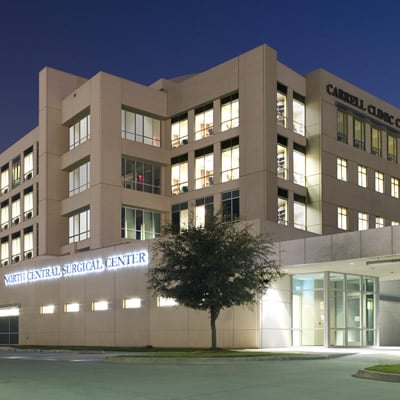
North Central Surgical Center Hospital

9301 N Central Expy Ste 100, Dallas, TX, 75231

Not accepting walk-ins

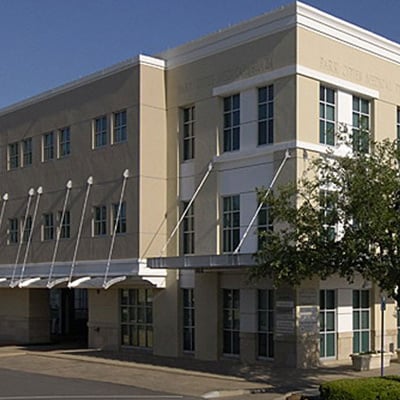
Park Cities Surgery Center

6901 Snider Plz Ste 300, Dallas, TX, 75205

Not accepting walk-ins

Tuscan Surgery Center at Las Colinas

701 Tuscan Dr Ste 100, Irving, TX, 75039

Not accepting walk-ins