

What is patellofemoral pain syndrome?
Patellofemoral pain syndrome (PFPS) is a term to describe pain that occurs around your kneecap, or patella. It is also known as “runner’s knee” or “jumper’s knee.” This condition is more likely to develop if you participate in sports that involve frequent running and jumping, but it can also happen to non-athletes.
Typically, PFPS causes pain and stiffness in the front of the knee that can lead to difficulty with normal activities such as kneeling, squatting, going up and down stairs, and even getting up from a chair or couch.
Anatomy of a knee
The knee is a complex joint consisting of three bones, including the femur (thighbone), tibia (shinbone) and patella (kneecap). Four ligaments connect the femur and tibia. The patella is supported by the patellar tendon, which attaches it to the tibia, and the quadriceps tendon, which joins the kneecap to the quadriceps muscle.
The patella rides in the groove for the kneecap, called the trochlea. Both the patella and trochlea are lined with the thickest cartilage in the body, which provides cushioning and a smooth surface for the knee.
Patellofemoral pain syndrome symptoms
Knee pain from patellofemoral pain syndrome feels like a dull ache over the front of the knee. It comes about gradually over time and is typically related to sporting or aggravating activities. People may experience pain in one or both knees. It is also associated with stiffness and popping, cracking or crunching sounds.
The pain often worsens over the front of the knee with:
- Repetitive knee bending from squatting or climbing stairs
- Sitting with bent knees for significant periods, such as on long car rides or while working
- Changing your training or playing on harder surfaces, such as concrete
- Increasing your activity level or training intensity
- Wearing new or different shoes during physical activity

When to see a doctor
Give your knee a few weeks to rest and avoid activities that trigger the symptoms. If the pain doesn’t go away or gets worse, the best first option is to see your primary care physician. Your primary care provider can determine whether patellofemoral pain syndrome is the cause of your symptoms and recommend a treatment to reduce or stop the discomfort. Once you have exhausted conservative treatments, your provider may refer you to an orthopedic specialist for evaluation and treatment.
Patellofemoral pain syndrome causes
Patellofemoral pain syndrome is often caused by overuse or knee alignment issues, resulting in pain at the front of the knee. Irritation of the bone or soft tissues around the kneecap triggers pain when nerves detect this irritation.
Common causes include:
- Overuse: Repetitive activities like running and jumping, and sports such as tennis or pickleball can strain your knee.
- Increased activity: Sudden changes in activity level, such as training for a race or starting a new workout, put extra stress on the knee, leading to pain.
- Improper footwear: Worn-out shoes, especially with increased mileage, can contribute to discomfort. Replace your shoes every 6 months.
- Change in surface: Switching to harder surfaces like concrete or artificial turf can aggravate knee pain.
Patella maltracking, when the kneecap shifts to one side, can increase pressure on the knee's soft tissues, causing PFPS. Contributing factors include:
- Anatomic issues: Irregular patella shape or alignment can predispose you to PFPS.
- Muscle imbalances: Weak quadriceps or tight hamstrings, along with weak hip and core muscles, can disrupt patella tracking, causing strain on the knee.
Runner’s knee risk factors
Certain factors can increase your chances of developing patellofemoral pain syndrome. Some of these risk factors you can control. Others, however, you can’t change. Understanding the factors that can make patellofemoral pain syndrome more likely to occur can help you protect your knees and reduce your risk. Risk factors for PFPS include:
Age
Patellofemoral pain syndrome is most common in teenagers and young adults and may affect these groups more frequently because of their high sports participation and growing bodies.
High-impact sports and jobs
You’re more likely to develop patellofemoral pain syndrome if you play a sport or work in a profession that requires frequent knee bending and straightening, which stresses the joint.
Sex
Women develop patellofemoral pain syndrome more often than men, possibly because of differences in hormones and body structure. Compared with men, women have wider pelvises and weaker hip muscles, both of which may contribute to knee pain.
Diagnosing runner’s knee
To diagnose patellofemoral pain syndrome, your healthcare provider will likely ask about your knee history, gently press on your knee, and move your leg into different positions. In some cases, imaging tests may be used to help identify the cause of your knee pain.
Patellofemoral pain syndrome treatment
Your provider will decide which treatment makes the most sense for you based on your symptoms, the results of your physical exam and imaging tests, overall health and goals. Treatments range from lifestyle changes and at-home care to conservative treatments and, in rare situations, surgical options.
At-home care and lifestyle changes
In most cases, patellofemoral pain syndrome can be treated without seeing a doctor with simple at-home remedies.
The first line of treating PFPS is to avoid activities that aggravate your knee. This involves identifying the activities that make the joint hurt and temporarily stop doing them. If, for example, running triggers discomfort, try taking a break from running and try an exercise that reduces stress on your knees, such as swimming.
Weight can also play a big role in PFPS. Obesity and weight gain can lead to increased stress and force placed on the patella cartilage and soft tissue. Losing weight can often improve knee pain.
In addition to changing your exercise routine and focusing on weight, you can follow the RICE method to ease knee pain.
- Rest: Rest and avoid aggravating knee activities.
- Ice: Reduce swelling by placing a cold pack in a towel on your knee for 20 minutes a few times each day. Avoid placing ice and cold packs directly on the skin, as this can lead to burns.
- Compression: Manage swelling by wrapping your knee in an elastic bandage or using a compressive sleeve.
- Elevation: Use pillows to elevate your knee above the level of your heart while you’re resting.
Locations
We offer several locations for your care, including specialty orthopedic centers in North and Central Texas.
600 N Park St , Brenham, TX, 77833
600 N Park St , Brenham, TX, 77833
Not accepting walk-ins
1400 8th Ave , Fort Worth, TX, 76104
1400 8th Ave , Fort Worth, TX, 76104
Accepting walk-ins
200 E Cesar Chavez St Ste G140, Austin, TX, 78701
200 E Cesar Chavez St Ste G140, Austin, TX, 78701
Not accepting walk-ins
5251 US 290 , Austin, TX, 78735
5251 US 290 , Austin, TX, 78735
Not accepting walk-ins

5330 Overpass Rd Ste 100, Buda, TX, 78610
5330 Overpass Rd Ste 100, Buda, TX, 78610
Not accepting walk-ins
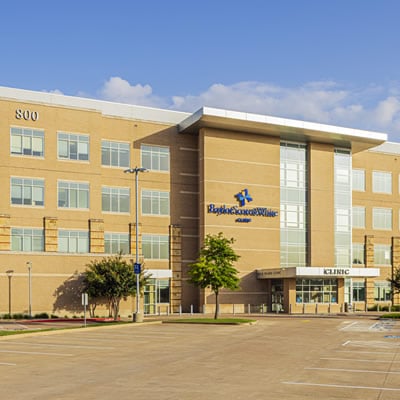
800 Scott and White Dr , College Station, TX, 77845
800 Scott and White Dr , College Station, TX, 77845
Not accepting walk-ins
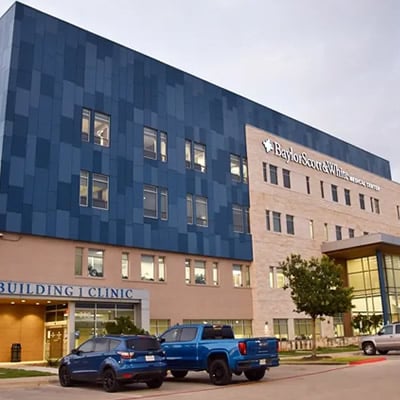
2600 E Pflugerville Pkwy Bldg 1, Ste 200, Pflugerville, TX, 78660
2600 E Pflugerville Pkwy Bldg 1, Ste 200, Pflugerville, TX, 78660
Not accepting walk-ins

300A University Blvd , Round Rock, TX, 78665
300A University Blvd , Round Rock, TX, 78665
Not accepting walk-ins
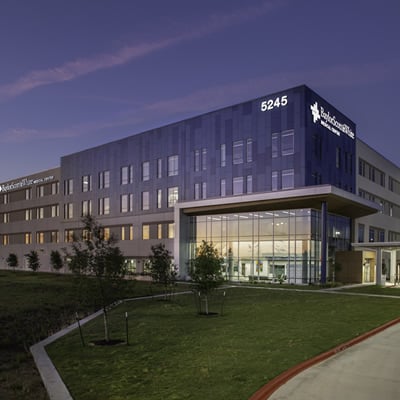
5245 W US Hwy 290 Service Rd , Austin, TX, 78735
5245 W US Hwy 290 Service Rd , Austin, TX, 78735
Accepting walk-ins

700 Medical Pkwy , Brenham, TX, 77833
700 Medical Pkwy , Brenham, TX, 77833
Accepting walk-ins
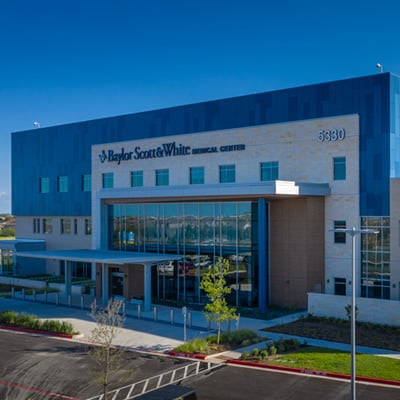
5330 Overpass Rd , Buda, TX, 78610
5330 Overpass Rd , Buda, TX, 78610
Accepting walk-ins
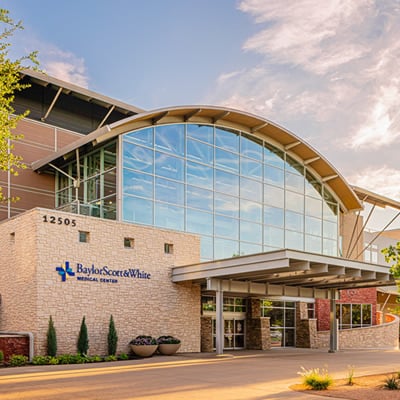
12505 Lebanon Rd , Frisco, TX, 75035
12505 Lebanon Rd , Frisco, TX, 75035
Accepting walk-ins
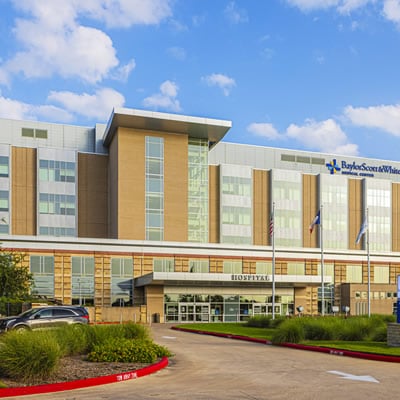
700 Scott and White Dr , College Station, TX, 77845
700 Scott and White Dr , College Station, TX, 77845
Accepting walk-ins
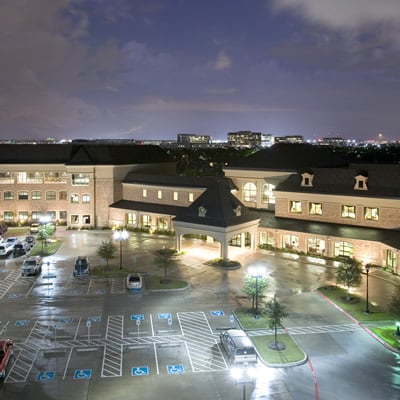
5601 Warren Pkwy , Frisco, TX, 75034
5601 Warren Pkwy , Frisco, TX, 75034
Accepting walk-ins
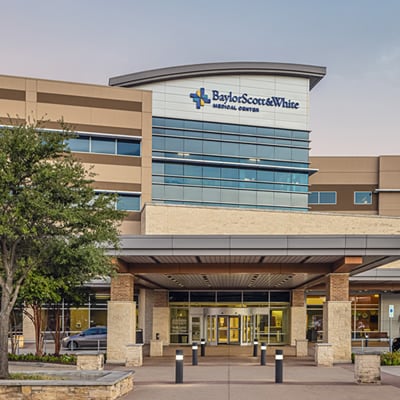
1650 W College St , Grapevine, TX, 76051
1650 W College St , Grapevine, TX, 76051
Accepting walk-ins
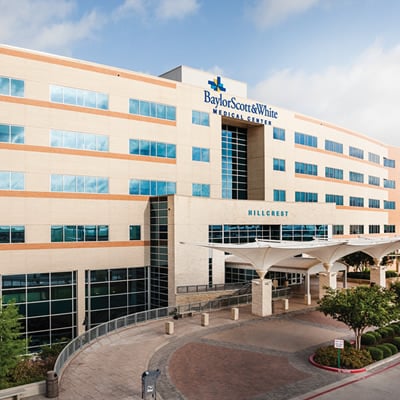
100 Hillcrest Medical Blvd , Waco, TX, 76712
100 Hillcrest Medical Blvd , Waco, TX, 76712
Accepting walk-ins
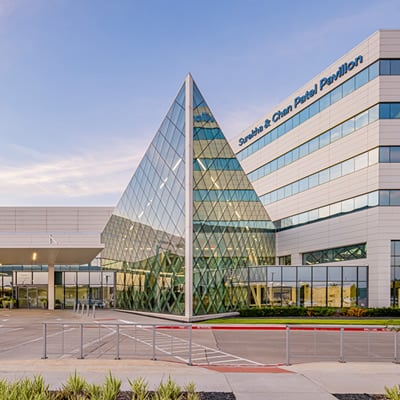
1901 N MacArthur Blvd , Irving, TX, 75061
1901 N MacArthur Blvd , Irving, TX, 75061
Accepting walk-ins
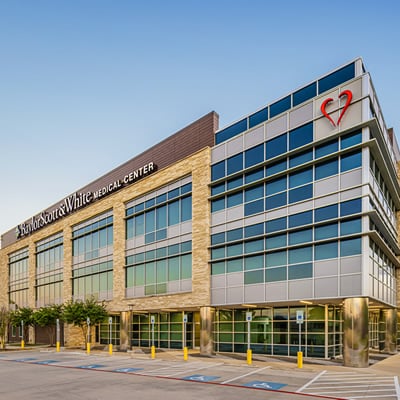
6800 Scenic Dr , Rowlett, TX, 75088
6800 Scenic Dr , Rowlett, TX, 75088
Accepting walk-ins
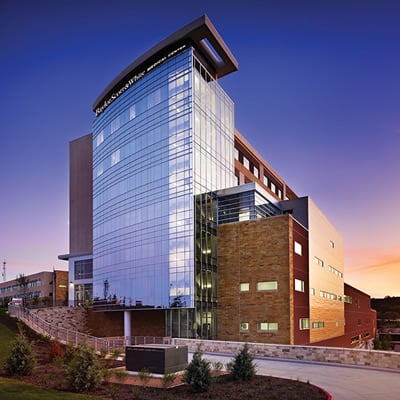
100 Medical Pkwy , Lakeway, TX, 78738
100 Medical Pkwy , Lakeway, TX, 78738
Accepting walk-ins

810 W State Hwy 71 , Marble Falls, TX, 78654
810 W State Hwy 71 , Marble Falls, TX, 78654
Accepting walk-ins
5252 W University Dr Highway 380 at Lake Forest Drive, McKinney, TX, 75071
5252 W University Dr Highway 380 at Lake Forest Drive, McKinney, TX, 75071
Accepting walk-ins
2600 E Pflugerville Pkwy Bldg 1, Ste 100, Pflugerville, TX, 78660
2600 E Pflugerville Pkwy Bldg 1, Ste 100, Pflugerville, TX, 78660
Accepting walk-ins
4700 Alliance Blvd , Plano, TX, 75093
4700 Alliance Blvd , Plano, TX, 75093
Accepting walk-ins

300 University Blvd , Round Rock, TX, 78665
300 University Blvd , Round Rock, TX, 78665
Accepting walk-ins

231 S Collins Rd , Sunnyvale, TX, 75182
231 S Collins Rd , Sunnyvale, TX, 75182
Accepting walk-ins
2401 S 31st St , Temple, TX, 76508
2401 S 31st St , Temple, TX, 76508
Accepting walk-ins
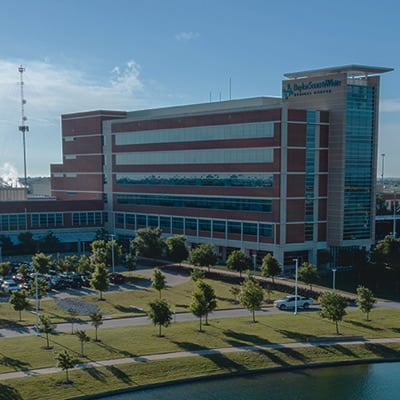
2400 N Interstate 35E , Waxahachie, TX, 75165
2400 N Interstate 35E , Waxahachie, TX, 75165
Accepting walk-ins

3409 Worth St Ste 300, Dallas, TX, 75246
3409 Worth St Ste 300, Dallas, TX, 75246
Not accepting walk-ins

1631 Lancaster Dr Ste 230, Grapevine, TX, 76051
1631 Lancaster Dr Ste 230, Grapevine, TX, 76051
Not accepting walk-ins
5220 W University Dr POB II, Ste 220, McKinney, TX, 75071
5220 W University Dr POB II, Ste 220, McKinney, TX, 75071
Not accepting walk-ins
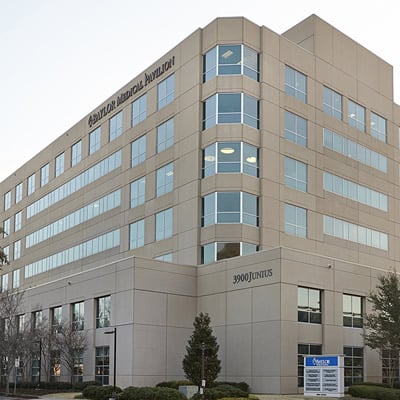
3900 Junius St Ste 500, Dallas, TX, 75246
3900 Junius St Ste 500, Dallas, TX, 75246
Not accepting walk-ins

4401 Coit Rd Ste 203, Frisco, TX, 75035
4401 Coit Rd Ste 203, Frisco, TX, 75035
Not accepting walk-ins

1631 Lancaster Dr Ste 230, Grapevine, TX, 76051
1631 Lancaster Dr Ste 230, Grapevine, TX, 76051
Not accepting walk-ins
5220 W University Dr POB II, Ste 300, McKinney, TX, 75071
5220 W University Dr POB II, Ste 300, McKinney, TX, 75071
Accepting walk-ins

7217 Telecom Pkwy Ste 325, Garland, TX, 75044
7217 Telecom Pkwy Ste 325, Garland, TX, 75044
Not accepting walk-ins
9101 N Central Expy Ste 370, Dallas, TX, 75231
9101 N Central Expy Ste 370, Dallas, TX, 75231
Not accepting walk-ins
4716 Alliance Blvd Pavilion II, Ste 600, Plano, TX, 75093
4716 Alliance Blvd Pavilion II, Ste 600, Plano, TX, 75093
Not accepting walk-ins
341 Wheatfield Dr Ste 290, Sunnyvale, TX, 75182
341 Wheatfield Dr Ste 290, Sunnyvale, TX, 75182
Not accepting walk-ins
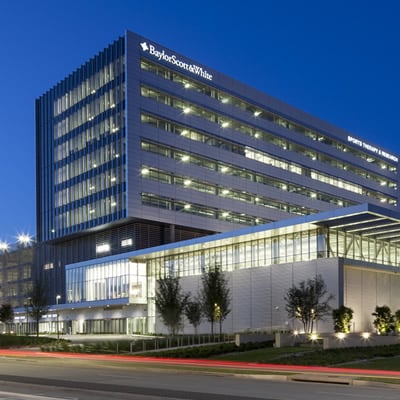
3800 Gaylord Pkwy Ste 810, Frisco, TX, 75034
3800 Gaylord Pkwy Ste 810, Frisco, TX, 75034
Not accepting walk-ins
511 N Hewitt Dr Ste 10, Hewitt, TX, 76643
511 N Hewitt Dr Ste 10, Hewitt, TX, 76643
Not accepting walk-ins

2401 S 31st St , Temple, TX, 76508
2401 S 31st St , Temple, TX, 76508
Not accepting walk-ins

140 Hillcrest Medical Blvd 2nd Floor, Waco, TX, 76712
140 Hillcrest Medical Blvd 2nd Floor, Waco, TX, 76712
Not accepting walk-ins

2405 S Clear Creek Rd , Killeen, TX, 76549
2405 S Clear Creek Rd , Killeen, TX, 76549
Not accepting walk-ins

800 W State Hwy 71 , Marble Falls, TX, 78654
800 W State Hwy 71 , Marble Falls, TX, 78654
Accepting walk-ins

140 Hillcrest Medical Blvd , Waco, TX, 76712
140 Hillcrest Medical Blvd , Waco, TX, 76712
Not accepting walk-ins

1776 N US 287 Ste 220, Mansfield, TX, 76063
1776 N US 287 Ste 220, Mansfield, TX, 76063
Not accepting walk-ins

1441 S Midlothian Pkwy Ste 100, Midlothian, TX, 76065
1441 S Midlothian Pkwy Ste 100, Midlothian, TX, 76065
Not accepting walk-ins

4431 E US Hwy 287 , Midlothian, TX, 76065
4431 E US Hwy 287 , Midlothian, TX, 76065
Not accepting walk-ins

301 E Ovilla Rd Ste 100, Red Oak, TX, 75154
301 E Ovilla Rd Ste 100, Red Oak, TX, 75154
Not accepting walk-ins

2360 N Interstate 35E Ste 320, Waxahachie, TX, 75165
2360 N Interstate 35E Ste 320, Waxahachie, TX, 75165
Not accepting walk-ins