What is a rotator cuff tear?

A rotator cuff tear is a tear in your rotator cuff, a group of muscles and tendons that keep your arm connected to your shoulder. Your rotator cuff helps your arm move, and a rotator cuff tear can limit that movement and cause pain and weakness, making everyday activities a challenge.

Rotator cuff tears are a common cause of shoulder pain, but they are treatable. An orthopedic specialist can work with you to develop a personalized treatment plan that helps reduce discomfort and improve your shoulder mobility.

Ask the Expert: Dr. Sheena Black talks about shoulder pain video

Anatomy of a rotator cuff

Your shoulder is a ball-and-socket joint where a ball (the head of the humerus, or your upper arm bone) fits into the socket (glenoid) of your shoulder blade (scapula). The ball at the top of your arm fits into a shallow socket in your shoulder blade.

The rotator cuff, made of four muscles, helps hold the arm in place and allows you to lift and move it. The tendons of the rotator cuff cover the top of the arm bone and help with arm movement.

There’s also a small fluid-filled sac called the bursa between the rotator cuff and the top of your shoulder. It helps the tendons move smoothly, but if the tendons are damaged, the bursa can get irritated and cause pain.

rotator cuff anatomy

Rotator cuff tear symptoms

Symptoms of a rotator cuff tear include:

  • Pain in the front or outer side of the shoulder
  • Pain at night or when lying on the shoulder
  • Difficulty raising the arm
  • Weakness in the shoulder or trouble lifting objects
  • Clicking or popping sounds when moving the arm

If the tear is sudden (acute), the pain is usually sharp. In general, rotator cuff pain can be sharp when reaching up or dull and aching, especially at night or after resting.

When to see a doctor

Causes of rotator cuff tear

Rotator cuff tears can be caused by injuries (acute) or wear over time (degeneration).

  • Acute tear: This type of tear happens suddenly, often due to an accident, such as falling on an outstretched arm or lifting something too heavy with a jerking motion. It can also occur alongside other injuries like a broken collarbone or dislocated shoulder.
  • Degenerative (wear-related) tear: Most rotator cuff tears happen slowly over time due to wear and tear. This is a natural part of aging and often doesn’t cause much pain. Tears are more common in the dominant arm and if you have one tear, there’s a higher chance of it occurring in the other shoulder, even if it doesn’t hurt.

Factors that contribute to degenerative tears:

  • Repetitive stress: Repeated shoulder movements during sports or on the job can put stress on the rotator cuff and lead to tears.
  • Lack of blood supply: As we age, blood flow to the tendons decreases, which reduces the body’s ability to heal damage, leading to tears over time.

Rotator cuff tear risk factors

Anyone can experience a rotator cuff tear. These factors may increase your risk:

  • Age: Most rotator cuff tears are caused by wear and tear that may happen with aging and occur in adults older than 40. Younger adults are more at risk of acute tears associated with injuries.
  • Genetics: Some evidence suggests that people can be genetically predisposed to rotator cuff tears.
  • Existing medical conditions:Shoulder impingement and rotator cuff tendonitis can increase your risk for a rotator cuff tear. If you have a chronic tear in one shoulder, you’re also more likely to develop a tear in your other shoulder.
  • Occupation: People with jobs that require repetitive overhead motions, such as painters, carpenters and mechanics, have a higher risk for rotator cuff tears.
  • Sports: Athletes have a greater risk for rotator cuff tears due to overuse, especially baseball pitchers and tennis players.
Image of a baseball pitcher who are some of the most rotator cuff tear prone athletes

Complications

Without treatment, a rotator cuff tear can get worse and lead to persistent discomfort and bigger issues. Eventually, moving your shoulder and using your arm could become difficult or nearly impossible. Potential complications of an untreated rotator cuff tear include:

  • Chronic pain in your shoulder and arm
  • Permanent loss of motion
  • Weakness of the shoulder joint that makes it difficult to lift your arm

How is a rotator cuff tear diagnosed?

Rotator cuff tears can be diagnosed with a physical exam and medical imaging. The physical exam can help determine whether and what types of imaging can help your doctor confirm a diagnosis or rule out other possible causes of shoulder pain, such as a pinched nerve or arthritis.

Rotator cuff tear treatment

Early treatment can help prevent the pain from getting worse and get you back to your regular activities faster.

There are several treatment options for a torn rotator cuff, all of which focus on reducing discomfort and helping you regain movement and function in your shoulder. Your doctor will develop a treatment plan based on the type of tear you have as well as your age, overall health and activity level.

Lifestyle changes

Two of the first treatments your doctor may recommend include rest and avoiding activities that cause pain. You may need to wear an arm sling while your shoulder heals.

You can also practice at-home care for a painful shoulder:

  • Apply heat or ice to help alleviate discomfort in your shoulder.
  • Change your sleeping position so you do not lie on your injured shoulder.
  • Keep frequently used items in lower cabinets or at counter height to avoid reaching.
  • Use good posture so your shoulder blades stay in the correct position.

Find specialized care for rotator cuff tears

Baylor Scott & White offers several locations for your care in North and Central Texas, so you can find the care you need, where and when you need it. Whether you're seeking diagnostic testing, treatment options or ongoing support for rotator cuff tears, our teams are here to help you.

Baylor Scott & White Clinic - Austin North Burnet

2608 Brockton Dr , Austin, TX, 78758

Not accepting walk-ins

Baylor Scott & White Clinic - Austin Oak Hill

5251 US 290 , Austin, TX, 78735

Not accepting walk-ins

Baylor Scott & White Medical Center - Austin

5245 W US Hwy 290 Service Rd , Austin, TX, 78735

Accepting walk-ins

Baylor Scott & White Medical Center - Buda

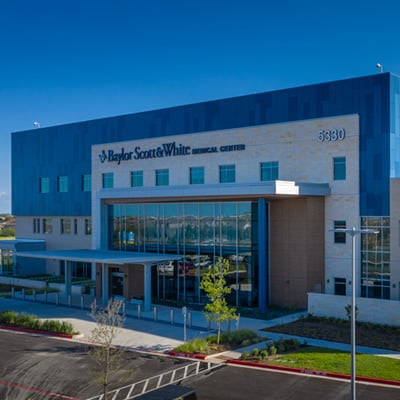
5330 Overpass Rd , Buda, TX, 78610

Accepting walk-ins

Baylor Scott & White Medical Center - Centennial

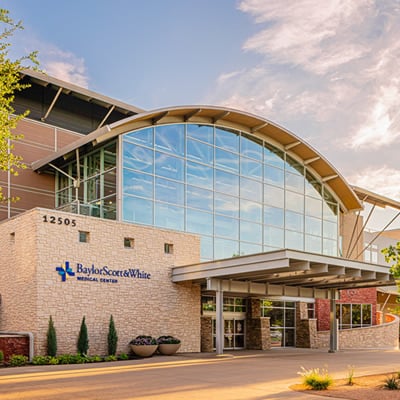
12505 Lebanon Rd , Frisco, TX, 75035

Accepting walk-ins

Baylor Scott & White Medical Center - Grapevine

1650 W College St , Grapevine, TX, 76051

Accepting walk-ins

Baylor Scott & White Medical Center - Lakeway

100 Medical Pkwy , Lakeway, TX, 78738

Accepting walk-ins

Baylor Scott & White Medical Center - Marble Falls

810 W State Hwy 71 , Marble Falls, TX, 78654

Accepting walk-ins

Baylor Scott & White Medical Center - McKinney

5252 W University Dr Highway 380 at Lake Forest Drive, McKinney, TX, 75071

Accepting walk-ins

Baylor Scott & White Medical Center - Plano

4700 Alliance Blvd , Plano, TX, 75093

Accepting walk-ins

Baylor Scott & White Medical Center - Round Rock

300 University Blvd , Round Rock, TX, 78665

Accepting walk-ins

Baylor Scott & White Medical Center - Temple

2401 S 31st St , Temple, TX, 76508

Accepting walk-ins

Baylor Scott & White Orthopaedic Trauma Associates - Dallas

3409 Worth St Ste 300, Dallas, TX, 75246

Not accepting walk-ins

Baylor Scott & White Orthopaedic Trauma Associates - Grapevine

1631 Lancaster Dr Ste 230, Grapevine, TX, 76051

Not accepting walk-ins

Baylor Scott & White Orthopaedic Trauma Associates - McKinney

5220 W University Dr POB II, Ste 220, McKinney, TX, 75071

Not accepting walk-ins

Baylor Scott & White Orthopedic Associates of Dallas

3900 Junius St Ste 500, Dallas, TX, 75246

Not accepting walk-ins

Not accepting walk-ins

Not accepting walk-ins

Baylor Scott & White Orthopedic Associates of Dallas - Grapevine

1631 Lancaster Dr Ste 230, Grapevine, TX, 76051

Not accepting walk-ins

Baylor Scott & White Orthopedic Associates of Dallas - McKinney

5220 W University Dr POB II, Ste 300, McKinney, TX, 75071

Accepting walk-ins

Not accepting walk-ins

Baylor Scott & White Orthopedic Associates of Dallas - Park Cities

9101 N Central Expy Ste 370, Dallas, TX, 75231

Not accepting walk-ins

Baylor Scott & White Orthopedic Associates of Dallas - Plano

4716 Alliance Blvd Pavilion II, Ste 600, Plano, TX, 75093

Not accepting walk-ins

Baylor Scott & White Orthopedic Associates of Dallas - Sunnyvale

341 Wheatfield Dr Ste 290, Sunnyvale, TX, 75182

Not accepting walk-ins

Baylor Scott & White Orthopedic Associates of Dallas at The Star

3800 Gaylord Pkwy Ste 810, Frisco, TX, 75034

Not accepting walk-ins

Baylor Scott & White Orthopedic Associates of Dallas – Grapevine II

1631 Lancaster Dr Ste 205, Grapevine, TX, 76051

Not accepting walk-ins

Not accepting walk-ins

Baylor Scott & White Specialty Clinic - Lakeway

200 Medical Pkwy , Lakeway, TX, 78738

Not accepting walk-ins

Baylor Scott & White Sports Surgery Center at The Star

3800 Gaylord Pkwy Ste 410, Frisco, TX, 75034

Not accepting walk-ins

Baylor Scott & White Surgicare - Carrollton

4780 N Josey Ln , Carrollton, TX, 75010

Not accepting walk-ins

Frequently asked questions

Loading...