

What is thoracic outlet syndrome?
Thoracic outlet syndrome (TOS) refers to a group of symptoms that affect your neck, arm and hand. It occurs when nerves or blood vessels in part of the upper chest, known as the thoracic outlet, are compressed.
The thoracic outlet is a narrow space located between your collarbone and first rib. If an injury, abnormal bone or muscle, or another factor reduces the space further, it puts pressure on your nerves, an artery or a vein.
Thoracic outlet syndrome is more common in women than men, and in most cases, it develops between the ages of 20 and 50.
This condition can affect your quality of life in a variety of ways. Pain, weakness or swelling in your arm or hand can reduce your ability to play sports or perform everyday tasks. With help from an experienced heart and vascular team, you can minimize symptoms and get back to feeling like you.
Types of thoracic outlet syndrome
There are three types of this condition. Physicians classify thoracic outlet syndrome based on whether nerves or blood vessels are compressed.
Neurogenic thoracic outlet syndrome
Neurogenic thoracic outlet syndrome (NTOS) is when the nerves in your thoracic outlet become compressed.
Venous thoracic outlet syndrome
Venous thoracic outlet syndrome (VTOS) is a condition where a vein, typically the subclavian vein that takes blood from your arms and returns it to your heart, becomes compressed in the thoracic outlet.
Arterial thoracic outlet syndrome
Arterial thoracic outlet syndrome (ATOS) occurs when the subclavian artery, which supplies oxygen-rich blood to your arms, shoulders and brain, is compressed. This is the rarest type of thoracic outlet syndrome.
Thoracic outlet syndrome symptoms
The symptoms you experience depend on which of the three types of thoracic outlet syndrome you have.
Arterial thoracic outlet syndrome
The subclavian artery runs through the thoracic outlet. Pressure on this artery can limit blood flow into your arm, leading to symptoms that may include:
- Abnormal color in your hand and fingers
- Hand and fingers that feel cold or weak
- Reduced range of motion
- Swelling or numbness in your arm and hand
What causes thoracic outlet syndrome?
In some people, a physical abnormality can put pressure on the structures inside the thoracic outlet. One example is a cervical rib, an extra rib attached to the top of the spine. In other cases, an enlarged muscle in the neck called the scalene muscle can press on the nerves or blood vessels.
Other causes include:
- Injury to the blood vessels
- Overuse of the arm or shoulder from playing sports or other activities
- Poor posture affecting the nerves
- Pregnancy
- Tumor pressing on the nerves
How to diagnose thoracic outlet syndrome
To diagnose thoracic outlet syndrome, your provider will ask you about your medical history, perform a physical exam and may order some testing.
Physical exam and medical history
A variety of conditions, including rotator cuff injuries and problems with the discs at the top of the spine, can cause symptoms like those of thoracic outlet syndrome. As a result, your physician will want to gather as much information as possible to rule out other potential causes and definitively diagnose thoracic outlet syndrome.
Your physician will ask about your symptoms and how they’re affecting you. Next, they’ll conduct a physical exam to look for skin discoloration in the affected arm or hand and weakness in the hands or fingers.
During your exam, your physician may have you perform an elevated arm stress test. You’ll raise your arms above your head for several minutes and open and close your fists so your physician can see if symptoms occur.
Thoracic outlet syndrome treatment
Thoracic outlet syndrome is quite treatable. Your heart and vascular specialists will work with your primary care, neurology and orthopedic specialists to treat your condition, so you can feel better and get back to your active lifestyle without discomfort.
Lifestyle changes
There are several lifestyle changes you can implement to help with thoracic outlet syndrome, including:
- Changes to your daily routine: Your physician or a physical therapist can help you modify or avoid activities that worsen symptoms. For example, you’ll want to avoid intense physical activity or activities that involve heavy weight pressing down on your shoulders, which can stress your collarbone.
- Weight loss: Losing weight can help relieve strain on the shoulder muscles.
Find a location near you
Whether your physician has recommended conservative treatment or surgery for your thoracic outlet syndrome, you can find comprehensive care at our heart and vascular locations in North and Central Texas. We can coordinate your care at a location with the services you need.
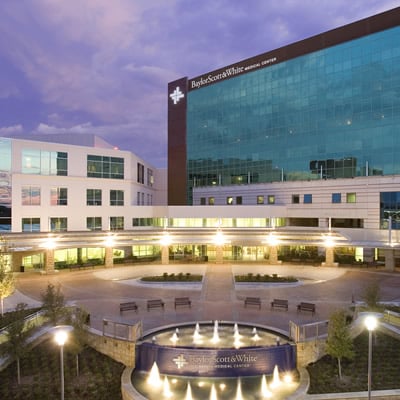
1400 8th Ave , Fort Worth, TX, 76104
1400 8th Ave , Fort Worth, TX, 76104
Accepting walk-ins

1250 8th Ave Ste 200, Fort Worth, TX, 76104
1250 8th Ave Ste 200, Fort Worth, TX, 76104
Not accepting walk-ins
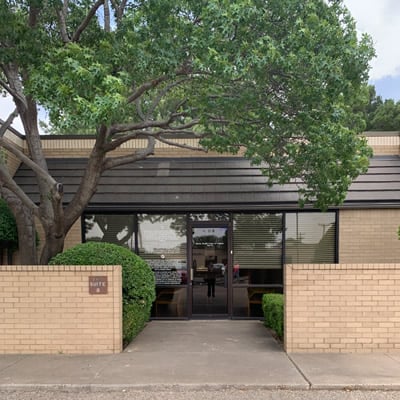
3711 22nd St Ste B, Lubbock, TX, 79410
3711 22nd St Ste B, Lubbock, TX, 79410
Not accepting walk-ins

420 E 6th St Ste 102, Odessa, TX, 79761
420 E 6th St Ste 102, Odessa, TX, 79761
Not accepting walk-ins
2035 Fort Worth Hwy Ste 100, Weatherford, TX, 76086
2035 Fort Worth Hwy Ste 100, Weatherford, TX, 76086
Not accepting walk-ins

1110 Cottonwood Ln Ste 215, Irving, TX, 75038
1110 Cottonwood Ln Ste 215, Irving, TX, 75038
Not accepting walk-ins
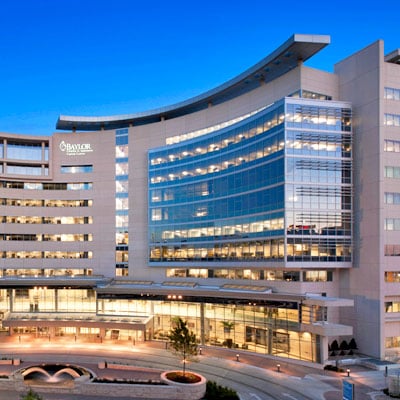
3410 Worth St Ste 760, Dallas, TX, 75246
3410 Worth St Ste 760, Dallas, TX, 75246
Not accepting walk-ins
3711 22nd St Ste B, Lubbock, TX, 79410
3711 22nd St Ste B, Lubbock, TX, 79410
Not accepting walk-ins
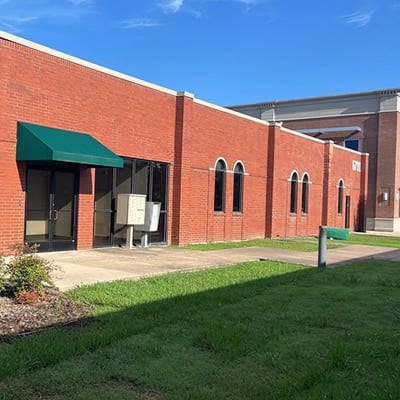
6701 Heritage Pkwy Ste 130, Rockwall, TX, 75087
6701 Heritage Pkwy Ste 130, Rockwall, TX, 75087
Not accepting walk-ins
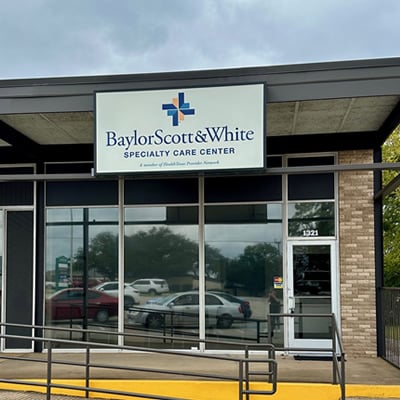
1321 S Beckham Ave , Tyler, TX, 75702
1321 S Beckham Ave , Tyler, TX, 75702
Not accepting walk-ins
2480 N Interstate 35E , Waxahachie, TX, 75165
2480 N Interstate 35E , Waxahachie, TX, 75165
Not accepting walk-ins

302 University Blvd , Round Rock, TX, 78665
302 University Blvd , Round Rock, TX, 78665
Not accepting walk-ins
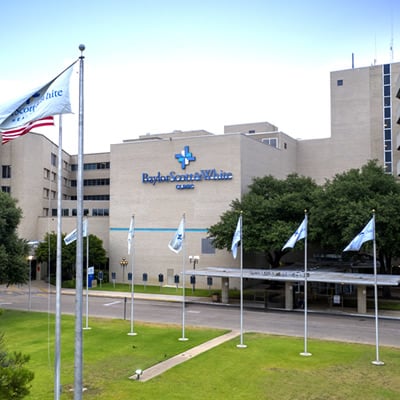
2401 S 31st St , Temple, TX, 76508
2401 S 31st St , Temple, TX, 76508
Not accepting walk-ins
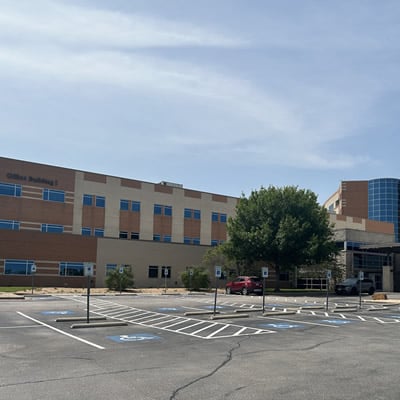
50 Hillcrest Medical Blvd Ste 303, Waco, TX, 76712
50 Hillcrest Medical Blvd Ste 303, Waco, TX, 76712
Not accepting walk-ins
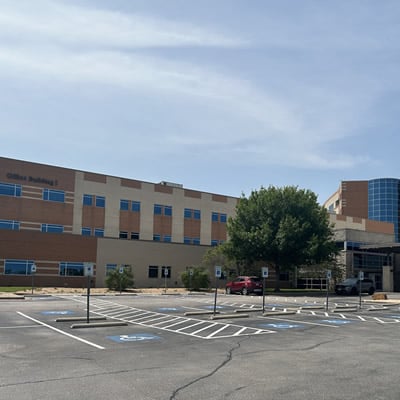
50 Hillcrest Medical Blvd Ste 303-B, Waco, TX, 76712
50 Hillcrest Medical Blvd Ste 303-B, Waco, TX, 76712
Not accepting walk-ins
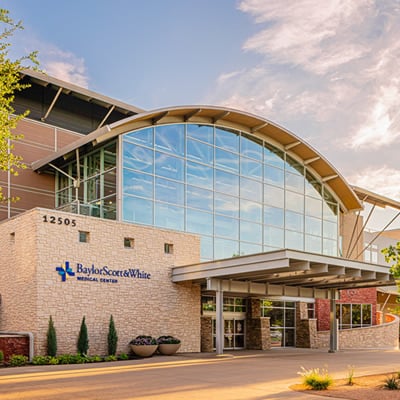
12505 Lebanon Rd , Frisco, TX, 75035
12505 Lebanon Rd , Frisco, TX, 75035
Accepting walk-ins
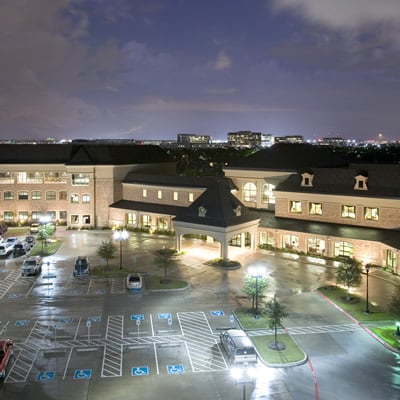
5601 Warren Pkwy , Frisco, TX, 75034
5601 Warren Pkwy , Frisco, TX, 75034
Accepting walk-ins
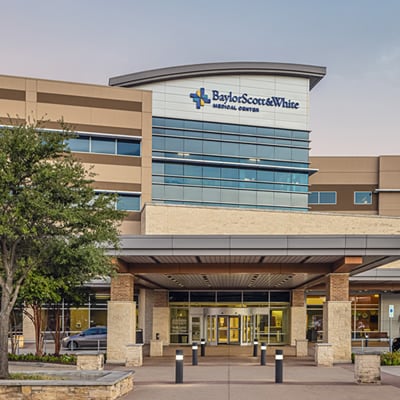
1650 W College St , Grapevine, TX, 76051
1650 W College St , Grapevine, TX, 76051
Accepting walk-ins
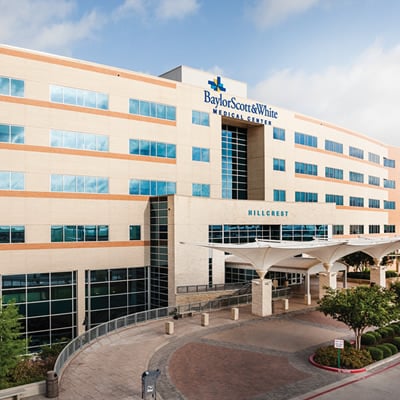
100 Hillcrest Medical Blvd , Waco, TX, 76712
100 Hillcrest Medical Blvd , Waco, TX, 76712
Accepting walk-ins
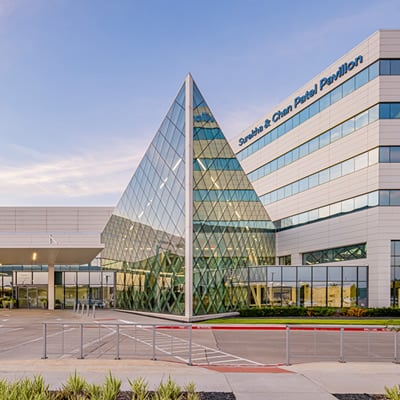
1901 N MacArthur Blvd , Irving, TX, 75061
1901 N MacArthur Blvd , Irving, TX, 75061
Accepting walk-ins
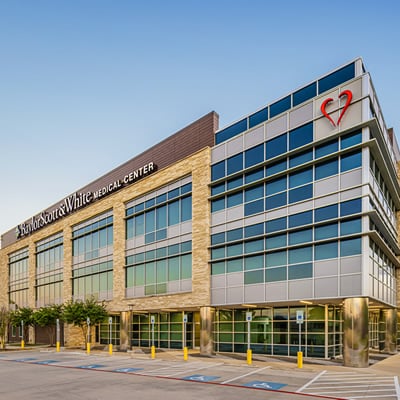
6800 Scenic Dr , Rowlett, TX, 75088
6800 Scenic Dr , Rowlett, TX, 75088
Accepting walk-ins
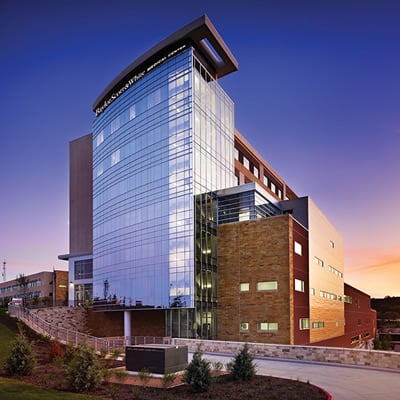
100 Medical Pkwy , Lakeway, TX, 78738
100 Medical Pkwy , Lakeway, TX, 78738
Accepting walk-ins
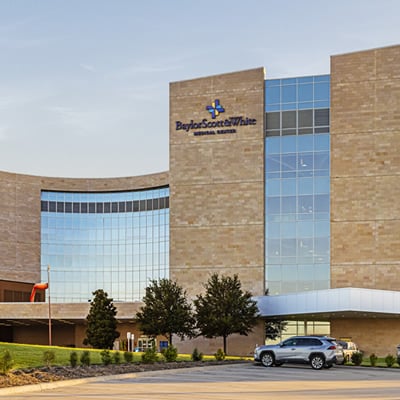
5252 W University Dr Highway 380 at Lake Forest Drive, McKinney, TX, 75071
5252 W University Dr Highway 380 at Lake Forest Drive, McKinney, TX, 75071
Accepting walk-ins
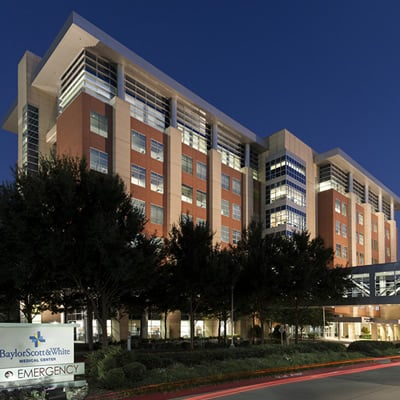
4700 Alliance Blvd , Plano, TX, 75093
4700 Alliance Blvd , Plano, TX, 75093
Accepting walk-ins

300 University Blvd , Round Rock, TX, 78665
300 University Blvd , Round Rock, TX, 78665
Accepting walk-ins
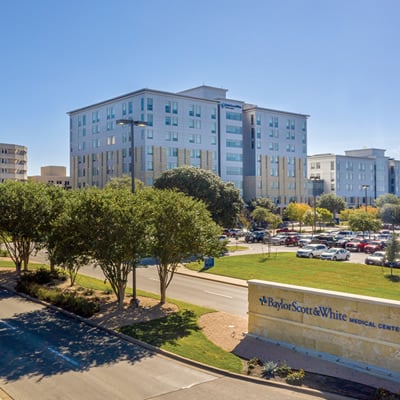
2401 S 31st St , Temple, TX, 76508
2401 S 31st St , Temple, TX, 76508
Accepting walk-ins
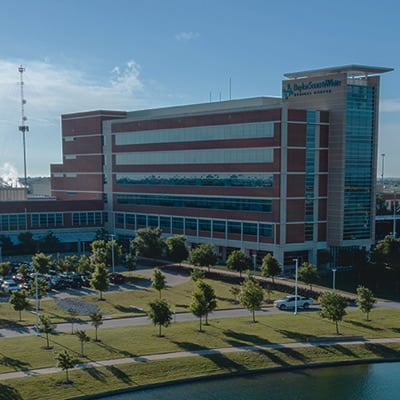
2400 N Interstate 35E , Waxahachie, TX, 75165
2400 N Interstate 35E , Waxahachie, TX, 75165
Accepting walk-ins

2405 S Clear Creek Rd , Killeen, TX, 76549
2405 S Clear Creek Rd , Killeen, TX, 76549
Not accepting walk-ins

2801 S Mayhill Rd , Denton, TX, 76208
2801 S Mayhill Rd , Denton, TX, 76208
Accepting walk-ins
1400 8th Ave Bldg A, 6th Floor, Fort Worth, TX, 76104
1400 8th Ave Bldg A, 6th Floor, Fort Worth, TX, 76104
Accepting walk-ins

1100 Allied Dr , Plano, TX, 75093
1100 Allied Dr , Plano, TX, 75093
Accepting walk-ins
3341 Unicorn Lake Blvd , Denton, TX, 76210
3341 Unicorn Lake Blvd , Denton, TX, 76210
Not accepting walk-ins

3500 Gaston Ave , Dallas, TX, 75246
3500 Gaston Ave , Dallas, TX, 75246
Accepting walk-ins