What is heart valve surgery?

Heart valve surgery is used to treat heart valve disease, which happens when one or more of the heart's four valves aren't working properly. These valves—mitral, tricuspid, pulmonary and aortic—help keep blood flowing in the right direction through the heart.

Each valve has flaps (called leaflets in the mitral and tricuspid valves, and cusps in the aortic and pulmonary valves) that open and close with each heartbeat. When these valves become damaged and don't open or close properly, it can affect blood flow through the heart and the rest of your body.

During heart valve surgery, the surgeon will repair or replace the damaged valve(s) through traditional open-heart surgery or a less invasive method, depending on your age, overall health, what kind of valve problem you have and how severe it is.

patient undergoing heart valve surgery

When is heart valve surgery necessary?

You might need heart valve surgery if one of your heart valves—like the aortic, mitral, pulmonary or tricuspid valve— isn’t working properly. Valve problems are usually caused by a few main issues:

  • Regurgitation (leakage): When a valve doesn’t close fully, causing blood to flow backward. This makes your heart work harder. Common types are mitral valve regurgitation (blood leaking into the left atrium) and tricuspid valve regurgitation (blood leaking into the right atrium).
  • Stenosis (narrowing): When a valve becomes stiff or narrowed, limiting blood flow. For example, aortic valve stenosis makes it harder for blood to flow from your heart to the rest of your body, causing your heart to pump harder.
  • Endocarditis (infection): Bacteria can infect a heart valve, causing growths that may damage the valve or structures around the valve.

Other causes can include congenital heart disease, where valves don’t form properly at birth, like mitral valve prolapse or a bicuspid aortic valve. Severe pulmonary valve disease can also cause shortness of breath and swelling, especially when related to heart conditions treated in childhood.

doctor discussing heart valve surgery with a patient

Types of heart valve surgeries

Heart valve surgery is a procedure that can repair or replace a damaged valve in your heart, helping it pump blood more effectively. Depending on your specific condition and overall health, there are different ways to perform the surgery. Your healthcare team will guide you in choosing the best option for you.

  • Open-heart surgery: The traditional approach, where the chest is opened to access and repair or replace the heart valve.
  • Minimally invasive surgery: This method involves smaller cuts and specialized tools, which can often mean a quicker recovery and less pain after surgery.
  • Catheter-based surgery: In some cases, a new valve can be inserted using a small tube (catheter) through a blood vessel, typically in the leg, eliminating the need for open surgery.

Heart valve replacement surgery

Heart valve replacement surgery involves removing and replacing a damaged valve with a new one made from animal tissue or a durable material like metal or carbon. These new valves are safe for your body, so your immune system won't reject them. Options include:

  • Transcatheter aortic valve replacement (TAVR): TAVR involves having a new heart valve placed inside the old one. It is a minimally invasive procedure, which can be done without open-heart surgery.
  • Open-heart aortic, pulmonary or mitral valve replacement: Your surgeon replaces your faulty valve with a mechanical valve or tissue valve, through either an open or minimally invasive approach.
  • Transcatheter mitral valve repair (TMVR): Like TAVR, TMVR is a procedure that allows your surgeon to fix a leaking valve without the need for open-heart surgery. This minimally invasive procedure can benefit people with damaged mitral valves who are not candidates for surgical repair.
  • Transcatheter Tricuspid Valve Replacement (TTVR): TTVR is a minimally invasive procedure used to treat a damaged tricuspid valve in the heart. Instead of open-heart surgery, a catheter is inserted through a blood vessel (usually the vein in the upper area of your leg/hip) and guided to the right side of the heart to replace the valve.

Benefits of heart valve surgery

When you were first diagnosed with heart valve disease, your cardiologist may have recommended medications. Although medications can help you manage symptoms, in many cases they can’t treat heart valve disease or fix a heart valve problem.

Heart valve surgery can treat your condition effectively and, in turn, reduce your risk of heart valve disease complications, such as:

  • Atrial fibrillation
  • Congestive heart failure
  • Stroke

Even if medications helped alleviate some symptoms, treating your heart valve condition can give you more energy and reduce chest pain and shortness of breath. As a result, you’re likely to have more energy for daily activities and things you enjoy doing.

How to prepare for heart valve surgery

Your surgery team will give you instructions and let you know what to expect during the weeks leading up to your procedure. Your pre-operative instructions will vary depending on the type of procedure you will have, your overall health and your other medical conditions.

However, in general, you can expect the following:

  • In the weeks leading up to surgery, you will need to quit smoking and stop taking some medications, such as ibuprofen, aspirin and blood-thinning medications.
  • You will have blood, urine and imaging tests to ensure you are healthy enough for surgery and to help the surgery team plan your procedure.
  • The night before the surgery, you will need to stop eating and drinking. You will have to shower with a special cleanser.
  • Be sure to bring toiletries, a robe, slippers, a cell phone and charger, medications and a change of clothes. Also, arrange for someone to drive you home once you're discharged from the hospital.
Doctor measuring blood pressure of a smiling woman

What to expect

Your care will be tailored to your condition. Your healthcare team will be there to support you and answer any questions before, during and after your procedure.

Before heart valve surgery

Before your surgery, your anesthesiologist will talk to you. Be sure to let them know if you have any crowns, bridges or loose teeth so they can take extra care during the procedure while you are asleep.

In the operating room, the care team will give you medication to help you relax and feel drowsy. They’ll connect you to a heart monitor, and you'll breathe oxygen through a face mask. Then, the anesthesiologist will administer general anesthesia to make sure you're completely asleep during the surgery. A breathing tube will help you breathe while you're under anesthesia, which may cause a mild sore throat afterward.

Heart valve surgery recovery

After heart valve surgery, your doctor or healthcare team will let you know when it’s safe to return to your usual activities. You’ll also need regular follow-up appointments to monitor your heart health, which may include tests.

Your recovery plan may also include cardiac rehabilitation, a supervised program that helps you learn how to care for your heart. You’ll get tips on diet, exercise and stress management to keep your heart and valves healthy. Cardiac rehab also helps you build a healthy routine, which can improve your mental health by boosting your mood and keeping you motivated as you recover.

Making heart-healthy lifestyle changes can help keep your heart in good condition. These changes include eating a balanced diet, getting regular exercise, managing stress and avoiding smoking or tobacco.

Find a location near you

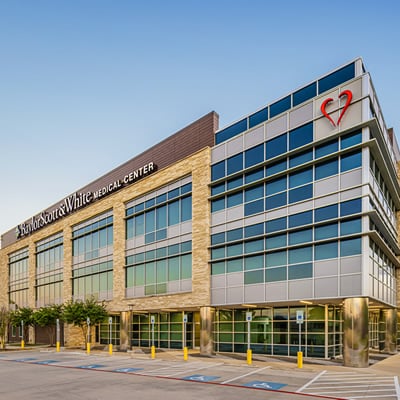
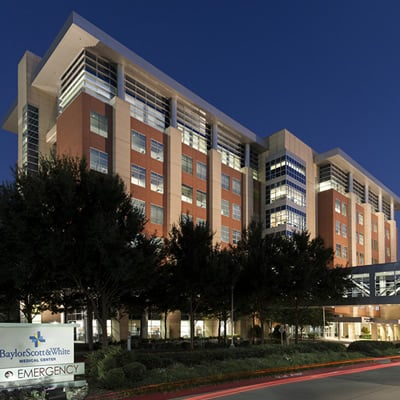
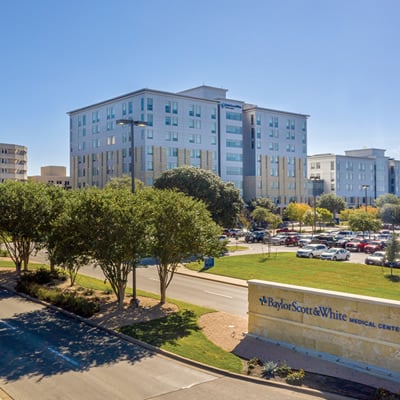
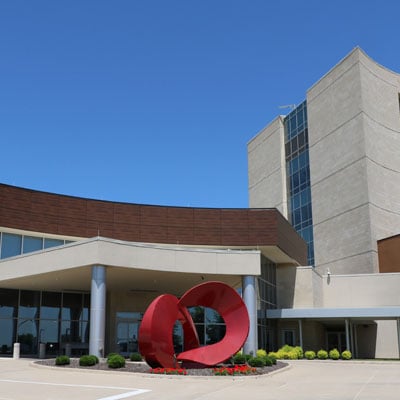
Your heart valve surgery will be performed by an experienced cardiovascular surgeon at one of our many locations in Central and North Texas, with follow-up care and cardiac rehabilitation also available at Baylor Scott & White hospital and clinic locations close to home.
Accepting walk-ins

Baylor Scott & White Cardiac and Thoracic Surgery - Fort Worth

1250 8th Ave Ste 200, Fort Worth, TX, 76104

Not accepting walk-ins

Not accepting walk-ins

Baylor Scott & White Cardiac and Thoracic Surgery - Odessa

420 E 6th St Ste 102, Odessa, TX, 79761

Not accepting walk-ins

Baylor Scott & White Cardiac and Thoracic Surgery - Weatherford

2035 Fort Worth Hwy Ste 100, Weatherford, TX, 76086

Not accepting walk-ins

Baylor Scott & White Cardiac Surgery - Dallas

621 N Hall St Ste 120, Dallas, TX, 75226

Not accepting walk-ins

Baylor Scott & White Cardiac Surgery Specialists - Denton

3333 Colorado Blvd , Denton, TX, 76210

Not accepting walk-ins

Baylor Scott & White Cardiac Surgery Specialists - McKinney

5236 W University Dr Ste 4900, McKinney, TX, 75071

Not accepting walk-ins

Baylor Scott & White Cardiac Surgery Specialists - Plano

4708 Alliance Blvd Pavilion I, Ste 540, Plano, TX, 75093

Not accepting walk-ins

Baylor Scott & White Cardiothoracic Surgery - Irving

1110 Cottonwood Ln Ste 215, Irving, TX, 75038

Not accepting walk-ins

Baylor Scott & White Cardiovascular Consultants - Denton

3333 Colorado Blvd , Denton, TX, 76210

Not accepting walk-ins

Baylor Scott & White Cardiovascular Consultants - Grapevine

2020 W State Hwy 114 Ste 200, Grapevine, TX, 76051

Not accepting walk-ins

Baylor Scott & White Cardiovascular Consultants - Highland Village

1401 Shoal Creek Ste 240, Highland Village, TX, 75077

Not accepting walk-ins

Baylor Scott & White Cardiovascular Consultants - Keller

620 S Main St Ste 240, Keller, TX, 76248

Not accepting walk-ins

Baylor Scott & White Cardiovascular Consultants - Plano

6000 W Spring Creek Pkwy Ste 220, Plano, TX, 75024

Not accepting walk-ins

Baylor Scott & White Cardiovascular Consultants - Plano II

4708 Alliance Blvd Pavilion I, Ste 450 , Plano, TX, 75093

Not accepting walk-ins

Baylor Scott & White Cardiovascular Consultants at The Star

3800 Gaylord Pkwy Ste 910, Frisco, TX, 75034

Not accepting walk-ins

Baylor Scott & White Clinic - Lakeway

3108 Ranch Rd 620 S , Lakeway, TX, 78738

Not accepting walk-ins

Baylor Scott & White Clinic - Round Rock 302 University

302 University Blvd , Round Rock, TX, 78665

Not accepting walk-ins

Baylor Scott & White Clinic - Temple

2401 S 31st St , Temple, TX, 76508

Not accepting walk-ins

Baylor Scott & White Hillcrest Cardiology Clinic

50 Hillcrest Medical Blvd Ste 303, Waco, TX, 76712

Not accepting walk-ins

Baylor Scott & White Hillcrest Cardiothoracic and Vascular Surgery

50 Hillcrest Medical Blvd Ste 303-B, Waco, TX, 76712

Not accepting walk-ins

Baylor Scott & White Medical Center - Austin

5245 W US Hwy 290 Service Rd , Austin, TX, 78735

Accepting walk-ins

Baylor Scott & White Medical Center - Centennial

12505 Lebanon Rd , Frisco, TX, 75035

Accepting walk-ins

Baylor Scott & White Medical Center - Grapevine

1650 W College St , Grapevine, TX, 76051

Accepting walk-ins

Baylor Scott & White Medical Center - Hillcrest

100 Hillcrest Medical Blvd , Waco, TX, 76712

Accepting walk-ins

Baylor Scott & White Medical Center - Irving

1901 N MacArthur Blvd , Irving, TX, 75061

Accepting walk-ins

Baylor Scott & White Medical Center - Lake Pointe

6800 Scenic Dr , Rowlett, TX, 75088

Accepting walk-ins

Baylor Scott & White Medical Center - McKinney

5252 W University Dr Highway 380 at Lake Forest Drive, McKinney, TX, 75071

Accepting walk-ins

Baylor Scott & White Medical Center - Plano

4700 Alliance Blvd , Plano, TX, 75093

Accepting walk-ins

Baylor Scott & White Medical Center - Sunnyvale

231 S Collins Rd , Sunnyvale, TX, 75182

Accepting walk-ins

Baylor Scott & White Medical Center - Temple

2401 S 31st St , Temple, TX, 76508

Accepting walk-ins

Baylor Scott & White Specialty Clinic - Killeen Hemingway

2405 S Clear Creek Rd , Killeen, TX, 76549

Not accepting walk-ins

Baylor Scott & White The Heart Hospital - Dallas

621 N Hall St , Dallas, TX, 75226

Accepting walk-ins

Baylor Scott & White The Heart Hospital - Denton

2801 S Mayhill Rd , Denton, TX, 76208

Accepting walk-ins

Baylor Scott & White The Heart Hospital - Fort Worth

1400 8th Ave Bldg A, 6th Floor, Fort Worth, TX, 76104

Accepting walk-ins

Baylor Scott & White The Heart Hospital - McKinney

5268 W University Dr , McKinney, TX, 75071

Accepting walk-ins

Baylor Scott & White The Heart Hospital - Plano

1100 Allied Dr , Plano, TX, 75093

Accepting walk-ins

Baylor Scott & White The Heart Hospital Heart Recovery Center - Plano

4716 Alliance Blvd Pavilion II, Ste 350, Plano, TX, 75093

Not accepting walk-ins

Baylor Scott & White The Heart Hospital – Plano Structural Heart Center

4716 Alliance Blvd Pavilion II, Ste 300, Plano, TX, 75093

Not accepting walk-ins

Loading...