

What is colon cancer screening?
Colon cancer screening modalities are used to diagnose cancer before you have symptoms. Because colon cancer sometimes doesn’t cause symptoms early on, screenings help catch it sooner, often giving you more treatment options.
The most recommended screening test for colon cancer is a colonoscopy. A colonoscopy not only helps detect cancer but also prevents it. During a colonoscopy screening, your doctor can remove pre-cancerous polyps before they become cancerous.
Why is colon cancer screening so important?
Colon cancer screening is important because it helps detect colorectal cancer in the earliest stages and sometimes can prevent it from ever developing. Colon cancer is the third most common type of cancer diagnosed today, but many of those cases could be prevented with screening.
A person’s lifetime risk of colon cancer is about 3-4%, with more than 100,000 people diagnosed with colon cancer every year. Overall, this number of cases has been steadily decreasing—most likely due to the increased compliance with colon cancer screening guidelines.
When colon cancer is found in its earliest stages—before it spreads to other areas—it is very treatable. The survival rate at five years for early-stage colon cancer is about 90%.
Colon cancer screening guidelines
The U.S. Preventive Services Task Force and American Cancer Society recommend colon cancer screening for all adults starting at age 45. The screening guidelines were updated in 2021 to lower the age to start screening from 50 to 45—as incidence of colon cancer in younger adults has been increasing in recent years.
There are several different colon cancer screening options listed in the guidelines. You should talk with your doctor about the right screening tests for you and how often you should get screened.
It’s also important to note that the ages listed in the general screening guidelines apply to people with an average risk of colon cancer. If you have risk factors such as a strong family history or a condition that puts you more at risk, you should talk to your doctor about starting screenings sooner.
Detecting colon cancer early — colon cancer screening options
Sometimes, people put off a colon cancer screening because they aren’t aware of all the options available. If you have an average risk, talk with your doctor about the pros and cons of your choices, including stool-based tests, imaging tests and colonoscopies.
A colonoscopy remains the most recommended test because it can detect and prevent colon cancer. But what’s most important is that you talk with your doctor and get screened—no matter the screening option you choose.
If you have a colon cancer screening other than a colonoscopy, abnormal results should be checked using a colonoscopy procedure. You may also need a colonoscopy if you have any signs or symptoms of colon cancer.
Colonoscopy
A colonoscopy uses a small flexible tube with a light and a tiny camera to take a closer look at your colon. During a colonoscopy, your doctor will take pictures of the inside of the colon and may take tissue samples or remove polyps.
This type of colon cancer screening requires bowel prep beforehand, and you'll be asleep during the procedure. A colonoscopy is carried out every ten years in people with no risk factors for colon cancer.
Our colon cancer screening locations near you
We help you get care at a location that fits your needs. We offer several locations for your care, including colon cancer screening options in North and Central Texas.
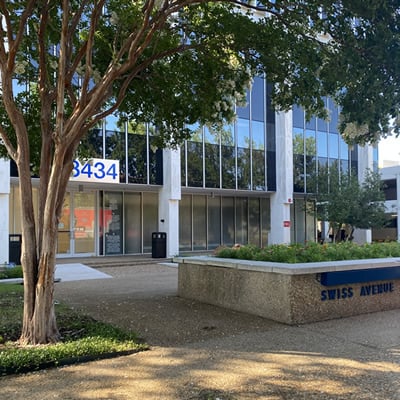
3434 Swiss Ave Ste 200, Dallas, TX, 75204
3434 Swiss Ave Ste 200, Dallas, TX, 75204
Not accepting walk-ins
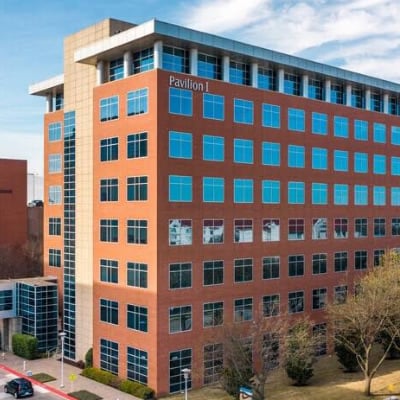
4708 Alliance Blvd Pavilion I, Ste 210, Plano, TX, 75093
4708 Alliance Blvd Pavilion I, Ste 210, Plano, TX, 75093
Not accepting walk-ins

3434 Swiss Ave Ste 200, Dallas, TX, 75204
3434 Swiss Ave Ste 200, Dallas, TX, 75204
Not accepting walk-ins
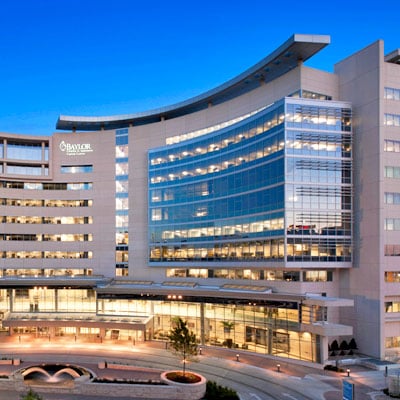
3410 Worth St Ste 235, Dallas, TX, 75246
3410 Worth St Ste 235, Dallas, TX, 75246
Not accepting walk-ins

2600 E Pflugerville Pkwy Building 2, Pflugerville, TX, 78660
2600 E Pflugerville Pkwy Building 2, Pflugerville, TX, 78660
Not accepting walk-ins

2360 N Interstate 35E Ste 310, Waxahachie, TX, 75165
2360 N Interstate 35E Ste 310, Waxahachie, TX, 75165
Not accepting walk-ins

1250 8th Ave Ste 650, Fort Worth, TX, 76104
1250 8th Ave Ste 650, Fort Worth, TX, 76104
Not accepting walk-ins

50 Hillcrest Medical Blvd Ste 105, Waco, TX, 76712
50 Hillcrest Medical Blvd Ste 105, Waco, TX, 76712
Not accepting walk-ins

7600 Better Way , Frisco, TX, 75033
7600 Better Way , Frisco, TX, 75033
Accepting walk-ins
3409 Worth St Ste 600, Dallas, TX, 75246
3409 Worth St Ste 600, Dallas, TX, 75246
Not accepting walk-ins

7217 Telecom Pkwy Ste 100, Garland, TX, 75044
7217 Telecom Pkwy Ste 100, Garland, TX, 75044
Not accepting walk-ins

420 E 6th St Ste 102, Odessa, TX, 79761
420 E 6th St Ste 102, Odessa, TX, 79761
Not accepting walk-ins

1321 S Beckham Ave , Tyler, TX, 75701
1321 S Beckham Ave , Tyler, TX, 75701
Not accepting walk-ins

2360 N Interstate 35E Ste 310, Waxahachie, TX, 75165
2360 N Interstate 35E Ste 310, Waxahachie, TX, 75165
Not accepting walk-ins
1001 Surrey Ln , Flower Mound, TX, 75022
1001 Surrey Ln , Flower Mound, TX, 75022
Not accepting walk-ins
515 S Nolen Dr , Southlake, TX, 76092
515 S Nolen Dr , Southlake, TX, 76092
Not accepting walk-ins
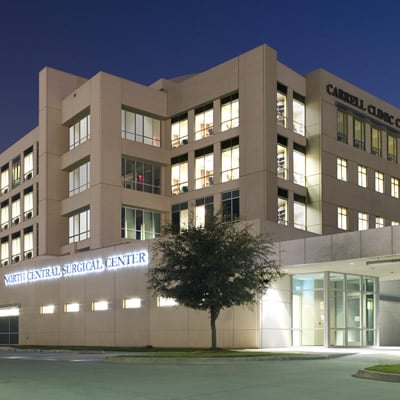
9301 N Central Expy Ste 100, Dallas, TX, 75231
9301 N Central Expy Ste 100, Dallas, TX, 75231
Not accepting walk-ins
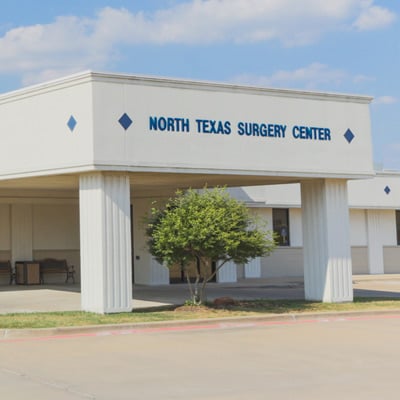
7992 W Virginia Dr , Dallas, TX, 75237
7992 W Virginia Dr , Dallas, TX, 75237
Not accepting walk-ins
8080 Independence Pkwy Ste 160, Plano, TX, 75025
8080 Independence Pkwy Ste 160, Plano, TX, 75025
Not accepting walk-ins
6405 W Parker Rd Ste 370, Plano, TX, 75093
6405 W Parker Rd Ste 370, Plano, TX, 75093
Not accepting walk-ins
701 Tuscan Dr Ste 100, Irving, TX, 75039
701 Tuscan Dr Ste 100, Irving, TX, 75039
Not accepting walk-ins