What is colon cancer?

Colon cancer is cancer that starts in the inside lining of the colon, which is part of your large intestine. Not counting skin cancers, it’s the third most diagnosed cancer today. Because they are similar, colon and rectal cancer are often grouped and called colorectal cancer.

This type of cancer is highly preventable and treatable when caught early. According to data from the CDC, there are more than 150,000 new cases of colorectal cancer each year in the United States. However, this number has decreased over the last two decades—most likely due to increased compliance with screening and polyp removal.

You have options if you have colon cancer risk factors or a new colon cancer diagnosis. Our locations offer complete services to care for you, from screenings to second opinions to innovative cancer care.

image https://bswh-p-001.sitecorecontenthub.cloud/api/public/content/f6d2df3076f9407fb3782c7750d1916e?v=064c864d

Types of colon cancer

Most of the time, colon cancer begins in the cells that make up the colon’s inner lining. But there are other types of colon cancer, too. Some rare types of colon cancer start in the blood vessels, muscles, lymph cells or hormone-producing cells.

Understanding the type of colon cancer you have is important because it will guide your care. Your healthcare team will tailor your treatment options based on the type and stage of the cancer.

Symptoms of colon cancer

Especially in the early stages of colon cancer, it’s possible to have no symptoms at all. The symptoms of colon cancer can also mimic other digestive conditions, such as infections, hemorrhoids and inflammatory bowel disease.

That’s why it’s essential to listen to your body and talk to your doctor if you have ongoing symptoms or notice something feels off with your digestive health. Check-in with your physician if you have any of the following symptoms:

  • Bowel habit changes, including diarrhea or constipation
  • Narrow or ribbon-like stools that last for more than a few days
  • Rectal bleeding, visible blood in the stool or dark stools
  • Cramping or gnawing stomach pain
  • Decreased appetite
  • Vomiting
  • Unintended weight loss
  • Weakness and fatigue
  • Continuing to feel that you cannot empty your bowels

In the later stages of colon cancer, you’re more likely to have symptoms like weight loss, swelling and pain in your abdomen. If colon cancer spreads, it can also cause symptoms in other areas of your body, such as the lungs or liver. Your healthcare team can help you get to the source of your symptoms.

Causes of colon cancer

Colon cancer happens when abnormal cells in the colon’s lining divide and multiply. Doctors don’t fully understand why this occurs in some people, and there isn’t one leading cause of colon cancer. Many factors combine to decide your risk of developing the disease, from family history to medical conditions to lifestyle choices.

However, we do know that most colon cancers start from polyps. By finding and removing pre-cancerous polyps through routine colon cancer screening, doctors have the potential to stop colon cancer before it ever starts. 

older man looking and smiling at wife outside on sunny day

Hereditary colon cancer

It’s estimated about 5-10% of all cases of colon cancer are hereditary colon cancer. This means a person inherits a specific genetic mutation that makes them much more likely to develop colon cancer.

Several genetic mutations and syndromes have been linked to colon cancer, but researchers continue to look into other genetic causes of the disease. The most common hereditary conditions currently connected to a high risk of colon cancer are Lynch syndrome and familial adenomatous polyposis.

If you have a strong family history of colon cancer or a blood relative diagnosed with a genetic condition linked to colon cancer, talk with your doctor about genetic counseling. A genetic counselor can guide your next steps, including genetic testing and preventive care, based on your risk factors and history.

Learn more about genetic counseling

Still image from genetic testing video

Colon cancer risk factors

While you can make some lifestyle choices to reduce your risk of colon cancer, other factors may not be in your control. For example, medical conditions, genetics, age and ethnicity all play a role in your personal risk.

One of the most important steps to protect yourself from colon cancer is knowing your risk factors and talking with your doctor about the right colon cancer screenings for you. If you have a high risk of colon cancer, your care team will walk you through your options so that you can take action to reduce your risk.

How colon cancer is diagnosed

You have several options to help screen for and diagnose colon cancer. Your care team will decide on the right option based on your symptoms, risk factors, family and medical history, and more.

Early diagnosis of colon cancer is vital to provide you with the most options for your care and the highest recovery rate. When cancer is caught in its earliest stages, the survival rate is more than 90% at five years.

Especially if you have symptoms, a colonoscopy is the most commonly used test for colon cancer. However, blood tests, stool tests and imaging tests also give your healthcare team valuable information about your colon health and help with diagnosis and treatment planning.

Colon cancer treatment

Treatment options for colon cancer continue to improve, especially for cancers caught before they can spread to distant locations in the body. Your care team will create a colon cancer treatment  plan based on your colon cancer stage, type, health history and individual needs.

Many treatment plans include some type of surgery to remove as much colon cancer as possible. But your care team may also recommend chemotherapy, radiation, targeted therapies or immunotherapy options. Sometimes, multiple treatments are used together to care for you. In some cases, you may have the option to be a part of a clinical trial as part of your colon cancer care.

Colon cancer prevention

The best way to fight colon cancer is to stop it from developing. With today’s colon cancer screening tools, many cases of colon cancer are preventable. You can also reduce your risk through healthy lifestyle choices, knowing your family history and seeking care for digestive symptoms.

Some actions you can take to help prevent colon cancer include:

  • Get routine colon cancer screenings
  • Take proactive steps if you have a family history or conditions that increase your risk
  • Focus on a high-fiber, low-fat diet and reduce the amount of red and processed meats
  • Maintain a healthy weight
  • Quit smoking and tobacco products
  • Limit the amount of alcohol you consume
  • Stay physically active
  • Manage health conditions like diabetes

Our locations near you

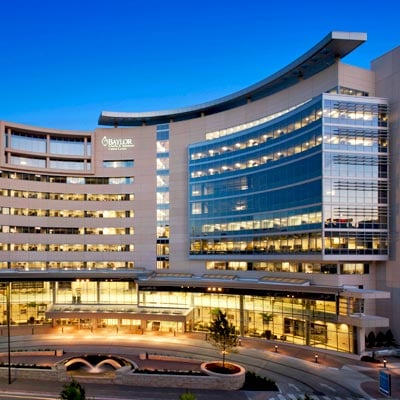
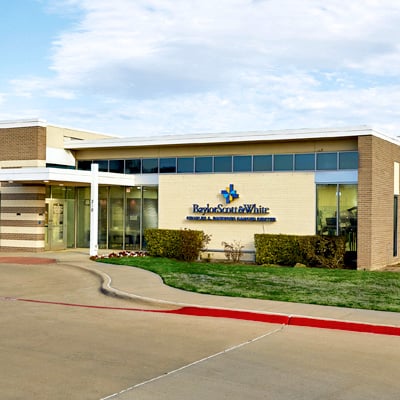
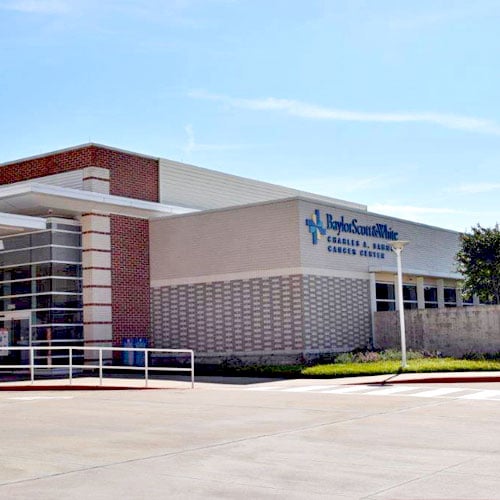
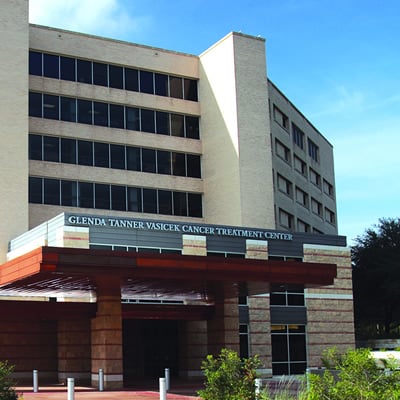
We help you get care at a location that fits your needs. We offer several locations for your care, including colon cancer screening, diagnosis and treatment in North and Central Texas.

Loading locations...

Loading locations...

Frequently asked questions