

What is a prolapsed uterus?
A prolapsed uterus, or uterine prolapse, is a type of pelvic organ prolapse that happens when the uterus slips out of its usual position and presses into the vagina (like a hernia). This can happen when the muscles and tissues that support your pelvic organs become stretched or weakened. It’s more common after menopause or in women who’ve had more than one vaginal birth, but it can happen to anyone.
Your pelvic floor is a group of muscles, ligaments and tissues that help support your uterus, bladder, rectum and other organs. When these supports lose strength, they can’t hold everything in place the way they used to. That’s when organs like the uterus can shift or drop down.
Talking about pelvic health isn’t always easy, but you’re not alone—and you don’t have to live with uncomfortable symptoms. Your trusted healthcare provider will discuss your symptoms in a caring, compassionate way and find a treatment plan that works for you.
Uterine prolapse stages
A mild prolapsed uterus can cause few or no symptoms. But in more serious cases, your uterus might protrude outside your vagina. Doctors often classify a prolapsed uterus using different stages:
Stage 1
Stage 2
Stage 3
Stage 4
Prolapsed uterus symptoms
Mild uterine prolapse is common after childbirth and often doesn't cause noticeable symptoms. But when the prolapse is moderate to severe, symptoms often develop gradually and can range from mild discomfort to more bothersome changes.
You may notice symptoms more after standing for long periods, lifting something heavy or during physical activity. Resting or lying down often helps relieve the pressure.
Common symptoms include:
- Bulge in your vagina
- Pelvic discomfort, pressure or feeling of fullness
- Difficulty inserting a tampon
- Difficulty having a bowel movement
- Feeling of not completely emptying your bladder
- Urination problems, including leaking (urinary incontinence), the need to go frequently (urinary frequency) or the sudden urge to go (urinary urgency)
- Lower back pain
- Bleeding caused by tissue rubbing on your underwear or a pad
- Pain during sex (dyspareunia)
- Urinary tract infections (UTI)

When to see a doctor
If you’re feeling pressure, discomfort or notice a bulge in or around your vagina, don’t wait to reach out to your doctor. A prolapsed uterus isn’t usually an emergency, but it can affect your daily comfort, confidence and overall well-being.
You don’t have to manage it on your own. Your doctor will listen with care, talk through what you’re experiencing and help you find the treatment or support that feels right for you.
What causes a prolapsed uterus?
Your pelvic floor is made up of muscles, ligaments and tissue that form a supportive hammock under your uterus, vagina, bladder, bowel and other pelvic organs. This holds your pelvic organs in place so they can work correctly. However, your pelvic floor can become weakened or damaged, causing these organs to move out of place.
Your uterus is a hollow, muscular organ that is located between your bladder and your rectum. But if your pelvic floor is weakened, your uterus can fall into your vagina.
Prolapsed uterus risk factors
A prolapsed uterus is common in the United States, especially among older women and those who have given birth. In fact, research suggests that 40-50% of women will experience some type of pelvic organ prolapse in their lifetime.
Several factors can increase your risk, including:
- Aging: As you get older, your pelvic floor can weaken, making prolapse more likely.
- Menopause: Lower estrogen levels after menopause can weaken the tissues that support your pelvic organs.
- Vaginal childbirth: The risk is higher if you’ve had multiple vaginal births, especially if they were long or difficult.
- Being overweight or obese: Excess weight puts additional strain on your pelvic floor.
- Chronic coughing: Persistent coughing from conditions like asthma or smoking can strain your pelvic muscles.
- Constipation: Straining to empty your bowels can put pressure on your pelvic floor.
- Heavy lifting: Repeatedly lifting heavy objects—especially without proper technique—can cause strain or injury.
- Family history: Genetics may play a role, especially if pelvic organ prolapse runs in your family.
- Connective tissue disorders: Any condition that weakens your connective tissues and ligaments, such as Marfan or Ehlers-Danlos syndromes, can weaken ligaments and tissues that support the uterus.
- Pelvic surgery: Past surgeries in the pelvic area can impact how well your organs are supported.
If you have one or more of these risk factors, it doesn’t mean you’ll experience a prolapse—but being aware can help you take steps to protect your pelvic health.
How is uterine prolapse diagnosed?
Diagnosing a prolapsed uterus begins with a discussion of your symptoms and a physical exam. Based on your health history and what your doctor observes, they may suggest additional tests to get a more detailed view of what’s happening. These steps help confirm if your uterus has prolapsed and ensure that your treatment plan is tailored to your specific needs.
Prolapsed uterus treatment
If you’ve been diagnosed with a prolapsed uterus, you’re not alone—and you have options. The right treatment depends on how severe your symptoms are, your overall health, and your personal preferences. Some women find relief through simple lifestyle changes, while others may benefit from physical therapy, support devices or surgery.
Your doctor will walk you through your options and help you find a treatment plan that fits your life and goals.
Lifestyle changes
For mild prolapse or early symptoms, small changes in your daily habits can help ease discomfort and keep symptoms from getting worse. These may include:
- Maintaining a healthy weight to reduce pressure on your pelvic floor
- Avoiding heavy lifting or learning proper lifting techniques
- Treating constipation with fiber, fluids and regular bathroom habits
- Managing chronic coughing by addressing smoking, allergies or asthma
- Doing Kegel exercises at home to gently strengthen your pelvic muscles
Find specialized care for a prolapsed uterus
We offer a variety of locations across North and Central Texas to provide you with the care and treatment you need for a prolapsed uterus. Whether you're seeking a diagnosis, need assistance on how to manage symptoms or are considering surgical options, we’re here to help you at a location close to home.
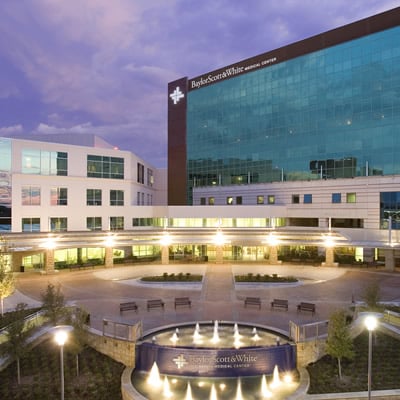
1400 8th Ave , Fort Worth, TX, 76104
1400 8th Ave , Fort Worth, TX, 76104
Accepting walk-ins
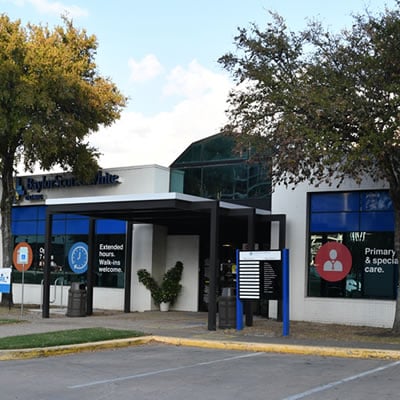
2608 Brockton Dr , Austin, TX, 78758
2608 Brockton Dr , Austin, TX, 78758
Not accepting walk-ins

604 US 290 , Brenham, TX, 77833
604 US 290 , Brenham, TX, 77833
Not accepting walk-ins

910 E Whitestone Blvd , Cedar Park, TX, 78613
910 E Whitestone Blvd , Cedar Park, TX, 78613
Not accepting walk-ins
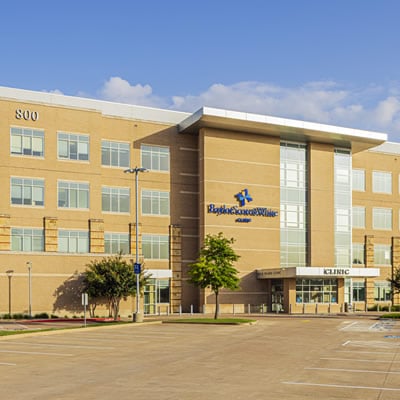
800 Scott and White Dr , College Station, TX, 77845
800 Scott and White Dr , College Station, TX, 77845
Not accepting walk-ins
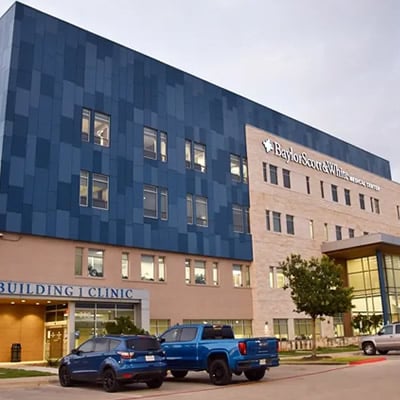
2600 E Pflugerville Pkwy Bldg 1, Ste 200, Pflugerville, TX, 78660
2600 E Pflugerville Pkwy Bldg 1, Ste 200, Pflugerville, TX, 78660
Not accepting walk-ins

2600 E Pflugerville Pkwy Building 2, Pflugerville, TX, 78660
2600 E Pflugerville Pkwy Building 2, Pflugerville, TX, 78660
Not accepting walk-ins

302 University Blvd , Round Rock, TX, 78665
302 University Blvd , Round Rock, TX, 78665
Not accepting walk-ins
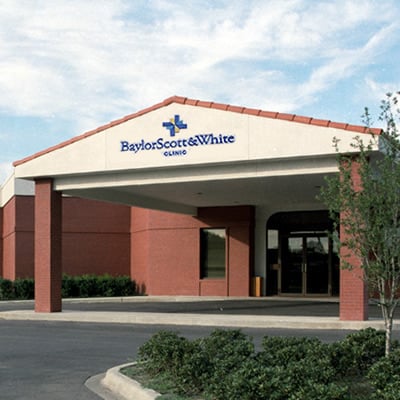
1402 W Ave H , Temple, TX, 76504
1402 W Ave H , Temple, TX, 76504
Accepting walk-ins
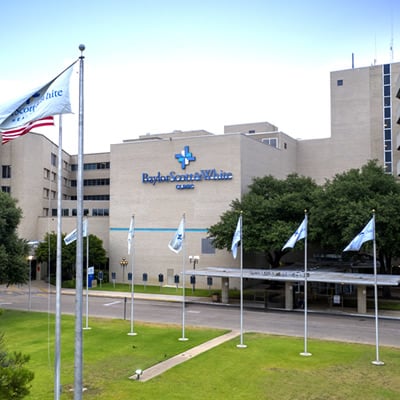
2401 S 31st St , Temple, TX, 76508
2401 S 31st St , Temple, TX, 76508
Not accepting walk-ins

1713 SW H K Dodgen Loop Bldg II, Ste 100, Temple, TX, 76502
1713 SW H K Dodgen Loop Bldg II, Ste 100, Temple, TX, 76502
Not accepting walk-ins
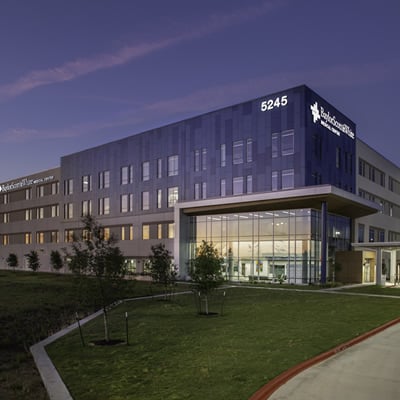
5245 W US Hwy 290 Service Rd , Austin, TX, 78735
5245 W US Hwy 290 Service Rd , Austin, TX, 78735
Accepting walk-ins

700 Medical Pkwy , Brenham, TX, 77833
700 Medical Pkwy , Brenham, TX, 77833
Accepting walk-ins
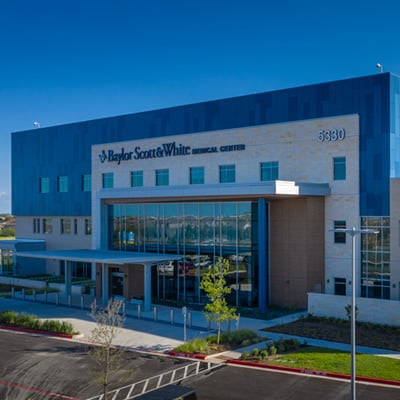
5330 Overpass Rd , Buda, TX, 78610
5330 Overpass Rd , Buda, TX, 78610
Accepting walk-ins
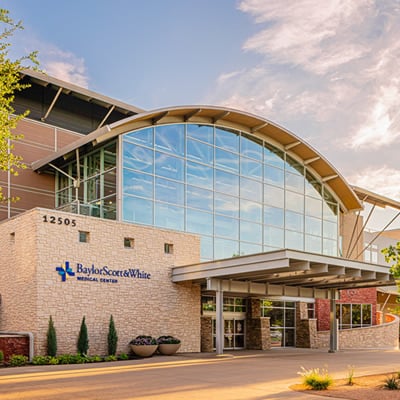
12505 Lebanon Rd , Frisco, TX, 75035
12505 Lebanon Rd , Frisco, TX, 75035
Accepting walk-ins
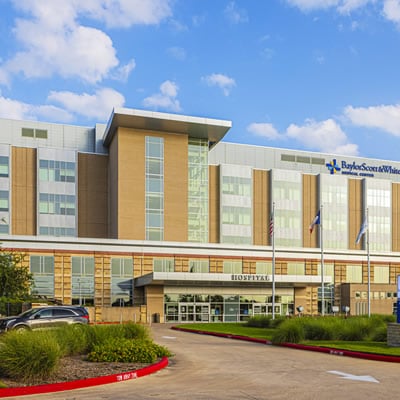
700 Scott and White Dr , College Station, TX, 77845
700 Scott and White Dr , College Station, TX, 77845
Accepting walk-ins
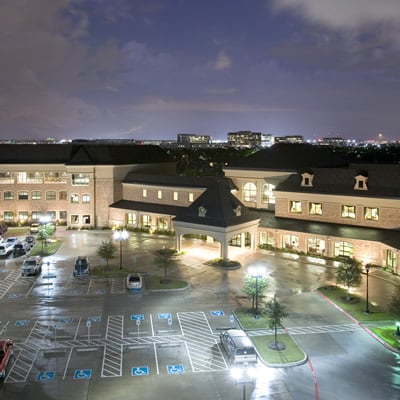
5601 Warren Pkwy , Frisco, TX, 75034
5601 Warren Pkwy , Frisco, TX, 75034
Accepting walk-ins

7600 Better Way , Frisco, TX, 75033
7600 Better Way , Frisco, TX, 75033
Accepting walk-ins
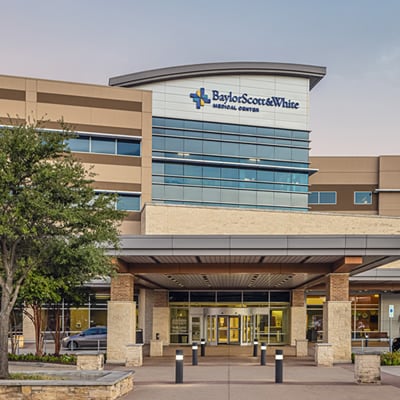
1650 W College St , Grapevine, TX, 76051
1650 W College St , Grapevine, TX, 76051
Accepting walk-ins
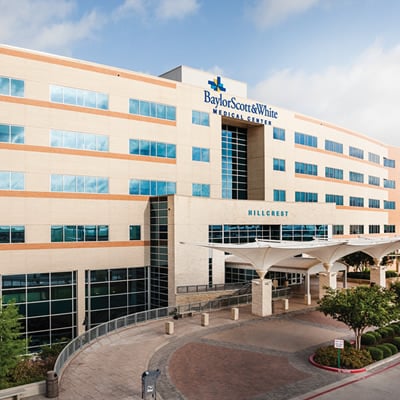
100 Hillcrest Medical Blvd , Waco, TX, 76712
100 Hillcrest Medical Blvd , Waco, TX, 76712
Accepting walk-ins
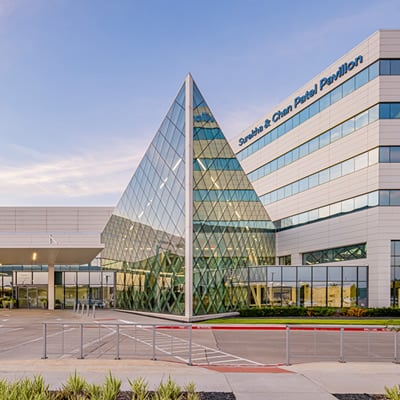
1901 N MacArthur Blvd , Irving, TX, 75061
1901 N MacArthur Blvd , Irving, TX, 75061
Accepting walk-ins
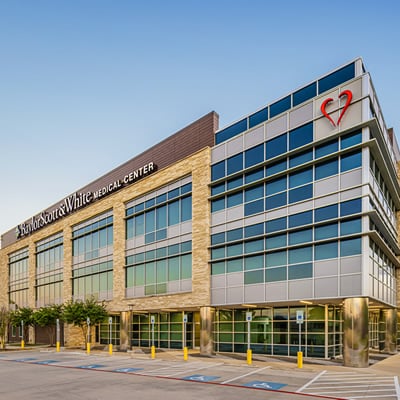
6800 Scenic Dr , Rowlett, TX, 75088
6800 Scenic Dr , Rowlett, TX, 75088
Accepting walk-ins
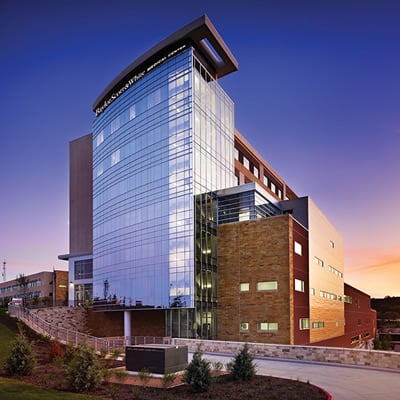
100 Medical Pkwy , Lakeway, TX, 78738
100 Medical Pkwy , Lakeway, TX, 78738
Accepting walk-ins
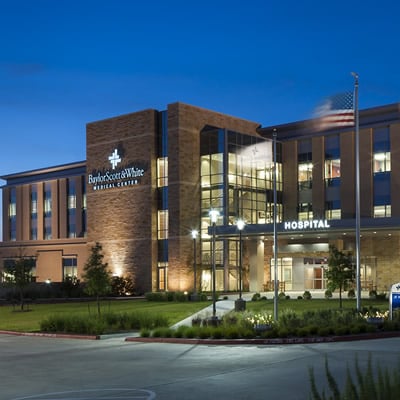
810 W State Hwy 71 , Marble Falls, TX, 78654
810 W State Hwy 71 , Marble Falls, TX, 78654
Accepting walk-ins
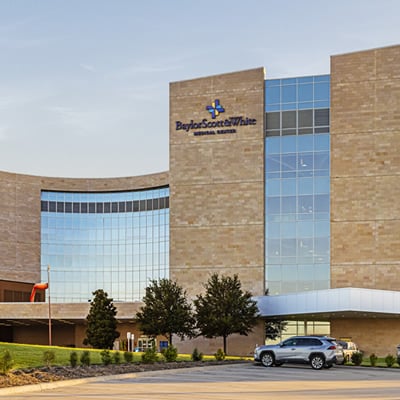
5252 W University Dr Highway 380 at Lake Forest Drive, McKinney, TX, 75071
5252 W University Dr Highway 380 at Lake Forest Drive, McKinney, TX, 75071
Accepting walk-ins
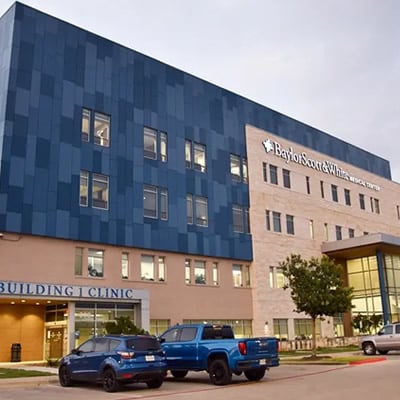
2600 E Pflugerville Pkwy Bldg 1, Ste 100, Pflugerville, TX, 78660
2600 E Pflugerville Pkwy Bldg 1, Ste 100, Pflugerville, TX, 78660
Accepting walk-ins
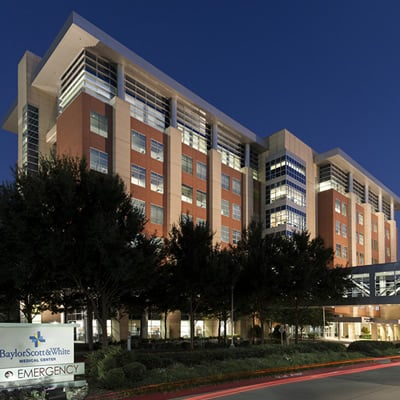
4700 Alliance Blvd , Plano, TX, 75093
4700 Alliance Blvd , Plano, TX, 75093
Accepting walk-ins

300 University Blvd , Round Rock, TX, 78665
300 University Blvd , Round Rock, TX, 78665
Accepting walk-ins
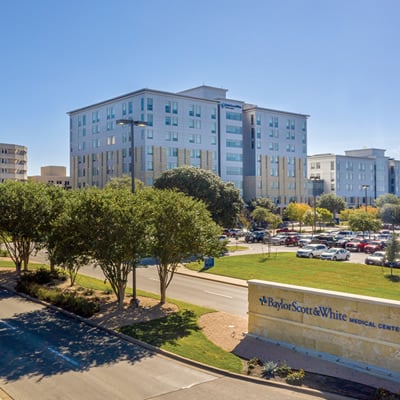
2401 S 31st St , Temple, TX, 76508
2401 S 31st St , Temple, TX, 76508
Accepting walk-ins
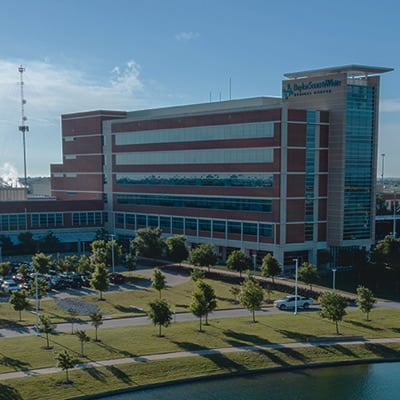
2400 N Interstate 35E , Waxahachie, TX, 75165
2400 N Interstate 35E , Waxahachie, TX, 75165
Accepting walk-ins
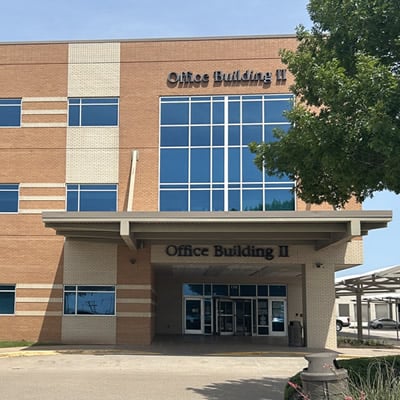
120 Hillcrest Medical Blvd Office Building 2, Ste 201-2, Waco, TX, 76712
120 Hillcrest Medical Blvd Office Building 2, Ste 201-2, Waco, TX, 76712
Not accepting walk-ins

4461 Coit Rd Ste 205, Frisco, TX, 75035
4461 Coit Rd Ste 205, Frisco, TX, 75035
Not accepting walk-ins

16050 Everwell Ln Professional Pavilion I, Ste 200, Frisco, TX, 75033
16050 Everwell Ln Professional Pavilion I, Ste 200, Frisco, TX, 75033
Not accepting walk-ins

1631 Lancaster Dr Ste 370, Grapevine, TX, 76051
1631 Lancaster Dr Ste 370, Grapevine, TX, 76051
Not accepting walk-ins

1005 W Ralph Hall Pkwy Ste 115, Rockwall, TX, 75032
1005 W Ralph Hall Pkwy Ste 115, Rockwall, TX, 75032
Not accepting walk-ins

9500 Lakeview Pkwy Ste 100, Rowlett, TX, 75088
9500 Lakeview Pkwy Ste 100, Rowlett, TX, 75088
Not accepting walk-ins
2460 N Interstate 35E Ste 225, Waxahachie, TX, 75165
2460 N Interstate 35E Ste 225, Waxahachie, TX, 75165
Not accepting walk-ins
9101 N Central Expy Ste 250, Dallas, TX, 75231
9101 N Central Expy Ste 250, Dallas, TX, 75231
Not accepting walk-ins
907 Mountain Lion Cir , Harker Heights, TX, 76548
907 Mountain Lion Cir , Harker Heights, TX, 76548
Not accepting walk-ins

2405 S Clear Creek Rd , Killeen, TX, 76549
2405 S Clear Creek Rd , Killeen, TX, 76549
Not accepting walk-ins
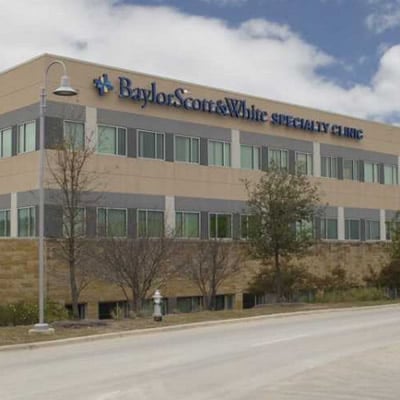
200 Medical Pkwy , Lakeway, TX, 78738
200 Medical Pkwy , Lakeway, TX, 78738
Not accepting walk-ins

800 W State Hwy 71 , Marble Falls, TX, 78654
800 W State Hwy 71 , Marble Falls, TX, 78654
Accepting walk-ins
213 Millcreek Dr Ste 190, Salado, TX, 76571
213 Millcreek Dr Ste 190, Salado, TX, 76571
Not accepting walk-ins

4020 Junius St , Dallas, TX, 75246
4020 Junius St , Dallas, TX, 75246
Not accepting walk-ins

530 Clara Barton Blvd Ste 100, Garland, TX, 75042
530 Clara Barton Blvd Ste 100, Garland, TX, 75042
Not accepting walk-ins
3600 Gaston Ave Wadley Tower, Ste 1158, Dallas, TX, 75246
3600 Gaston Ave Wadley Tower, Ste 1158, Dallas, TX, 75246
Not accepting walk-ins
2460 N Interstate 35E Ste 165, Waxahachie, TX, 75165
2460 N Interstate 35E Ste 165, Waxahachie, TX, 75165
Not accepting walk-ins

3500 Gaston Ave , Dallas, TX, 75246
3500 Gaston Ave , Dallas, TX, 75246
Accepting walk-ins