

What is pericarditis?
Pericarditis is inflammation of the pericardium, a stretchy sac-like cover surrounding your heart.
The pericardium consists of two layers of thin tissue with a small amount of fluid between them. It protects your heart from infection and from rubbing on surrounding tissues when it beats, which can cause irritation. When the pericardium becomes irritated, it becomes inflamed, and pericarditis develops.
Types of pericarditis
There are different types of pericarditis, with variations depending on how it develops:
- Infectious pericarditis: Developing as a result of a viral, bacterial or other infection.
- Traumatic pericarditis: Developing as a result of trauma to the chest, such as after a car accident.
- Idiopathic pericarditis: Developing without a clear-cut or definitive cause.
- Constrictive pericarditis: Scar tissue develops in the pericardium, causing the tissue to thicken and lose its elasticity. This type may lead to long-term issues resembling heart failure.
- Effusive-constrictive pericarditis: When fluid builds up in the pericardium.
Symptoms of pericarditis
The symptoms of pericarditis vary based on its type. It is categorized into different groups depending on the symptom pattern and duration.
Acute pericarditis
The most common symptom of acute pericarditis is sharp, stabbing chest pain in the middle or on the left side of the chest. Pain may radiate to one or both shoulders. Other symptoms may include:
- Coughing
- Difficulty breathing
- Feeling that your heart is beating too fast, fluttering or skipping a beat (arrhythmia)
- Fever
- Weakness
Symptoms may get better if you sit up and lean forward and get worse when you breathe deeply or lie down.
Acute pericarditis isn’t usually life-threatening, but the symptoms are similar to heart attack symptoms. Seek medical help immediately if you experience sudden chest pain.
Risk factors for pericarditis
Anyone can develop pericarditis.
Different factors may cause pericarditis, and it is not uncommon for a single, exact cause to remain unknown. Some causes include:
- Bacterial infections
- Cancer
- Certain medications, including some blood thinners and anti-seizure drugs
- Injury or trauma to the chest
- Kidney failure
- Viral infections, such as COVID-19 and pneumonia
Additionally, chronic and recurrent pericarditis can be caused by autoimmune disorders, conditions in which the body attacks healthy tissue, or other conditions that affect the immune system, such as:
- Human immunodeficiency virus (HIV) or AIDS
- Lupus
- Rheumatoid arthritis
- Scleroderma
Your risk of pericarditis is higher after:
- A heart attack
- Open heart surgery
- Radiation therapy
- Percutaneous treatment, such as cardiac catheterization or radiofrequency ablation (RFA)
What are the complications of pericarditis?
- Pericardial effusion: Occurs when fluid builds up in the pericardium.
- Constrictive pericarditis: Occurs when the pericardium becomes thick and stiff. This can happen due to inflammation or scarring, making it harder for the heart to fill with blood properly.
- Cardiac tamponade: Occurs when fluid builds up in the sac around the heart and puts pressure on the heart, making it difficult for the heart to pump blood effectively. This is a medical emergency.
How is pericarditis diagnosed?
To diagnose pericarditis, your provider will ask you about your medical history, including any recent injuries, illnesses or infections. They will also ask you to describe your symptoms and if anything makes symptoms better or worse.
Your provider will carry out a physical exam and listen to your heart. They may hear the heart and pericardium rubbing together or sounds caused by excess fluid in the lungs or pericardium.
Based on your exam, your provider may order one of the following diagnostic tests to gather more information.
Blood tests
Treating pericarditis
With treatment, most people recover fully from pericarditis without complications.
Treatment varies based on the cause, severity and type. The main goals of treatment are to:
- Decrease pain
- Reduce inflammation
- Treat the underlying cause when known
- Watch for and prevent complications
If your cardiologist can uncover what’s causing your pericarditis, getting treatment for that condition may be all you need.
If the cause is unknown, your treatment may include medications to reduce inflammation or manage symptoms. Your cardiologist will likely recommend rest and activity restrictions.
If fluid buildup in the pericardium affects your heart’s function, you may need surgery to drain the excess fluid. Often, cardiac surgeons can make an incision in the pericardium and allow fluid to drain into the abdomen.
Find a location near you
With advanced pericarditis care, we can lower your risk of complications and help you return to your usual routine. We can help you get the care you need to treat and recover from pericarditis at a location that fits your needs. Our cardiologists are available at many locations, including our specialized locations across North and Central Texas.

5701 Bryant Irvin Rd Ste 302, Fort Worth, TX, 76132
5701 Bryant Irvin Rd Ste 302, Fort Worth, TX, 76132
Not accepting walk-ins
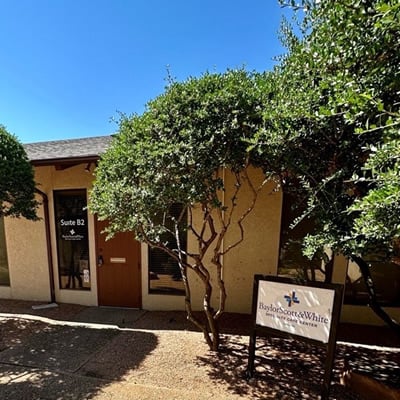
1219 E South 11th St Ste B2, Abilene, TX, 79602
1219 E South 11th St Ste B2, Abilene, TX, 79602
Not accepting walk-ins
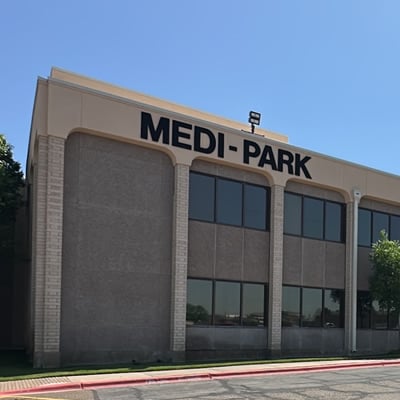
1901 Medi Park Dr Ste 2051, Amarillo, TX, 79106
1901 Medi Park Dr Ste 2051, Amarillo, TX, 79106
Not accepting walk-ins
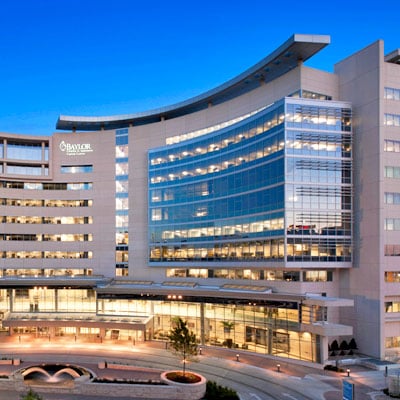
3410 Worth St Ste 250, Dallas, TX, 75246
3410 Worth St Ste 250, Dallas, TX, 75246
Not accepting walk-ins
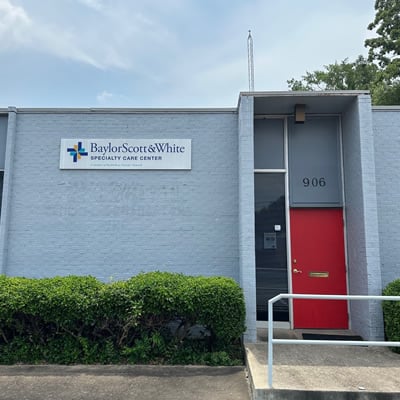
906 Judson Rd , Longview, TX, 75601
906 Judson Rd , Longview, TX, 75601
Not accepting walk-ins
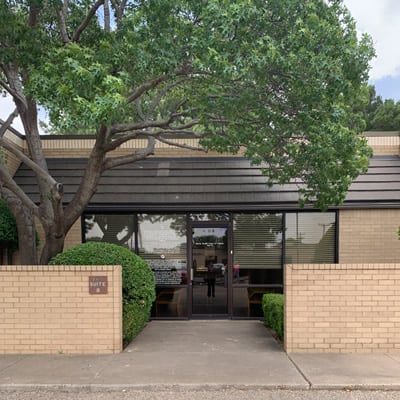
3711 22nd St Ste B, Lubbock, TX, 79410
3711 22nd St Ste B, Lubbock, TX, 79410
Not accepting walk-ins

420 E 6th St Ste 102, Odessa, TX, 79761
420 E 6th St Ste 102, Odessa, TX, 79761
Not accepting walk-ins
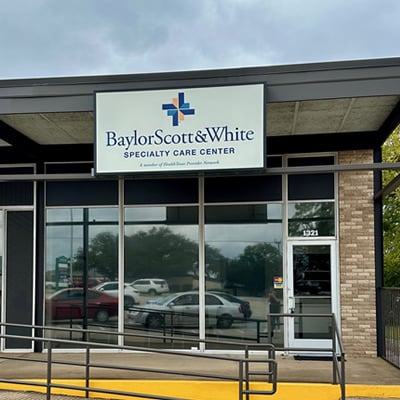
1321 S Beckham Ave , Tyler, TX, 75701
1321 S Beckham Ave , Tyler, TX, 75701
Not accepting walk-ins
1250 8th Ave Ste 200, Fort Worth, TX, 76104
1250 8th Ave Ste 200, Fort Worth, TX, 76104
Not accepting walk-ins
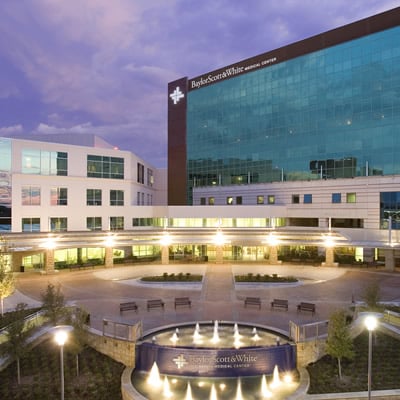
1400 8th Ave , Fort Worth, TX, 76104
1400 8th Ave , Fort Worth, TX, 76104
Accepting walk-ins
3333 Colorado Blvd , Denton, TX, 76210
3333 Colorado Blvd , Denton, TX, 76210
Not accepting walk-ins
16050 Everwell Ln Ste 210, Frisco, TX, 75033
16050 Everwell Ln Ste 210, Frisco, TX, 75033
Not accepting walk-ins

7217 Telecom Pkwy Ste 205, Garland, TX, 75044
7217 Telecom Pkwy Ste 205, Garland, TX, 75044
Not accepting walk-ins
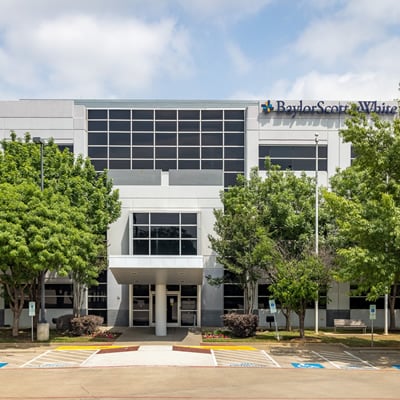
2020 W State Hwy 114 Ste 320, Grapevine, TX, 76051
2020 W State Hwy 114 Ste 320, Grapevine, TX, 76051
Not accepting walk-ins
1401 Shoal Creek Ste 240, Highland Village, TX, 75077
1401 Shoal Creek Ste 240, Highland Village, TX, 75077
Not accepting walk-ins
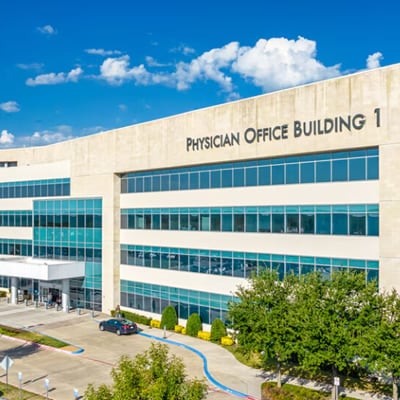
5236 W University Dr POB I, Ste 4900, McKinney, TX, 75071
5236 W University Dr POB I, Ste 4900, McKinney, TX, 75071
Not accepting walk-ins
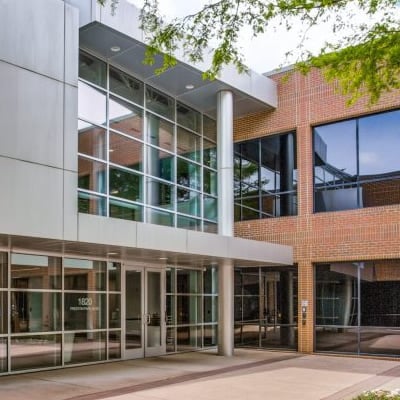
1820 Preston Park Blvd Ste 1450, Plano, TX, 75093
1820 Preston Park Blvd Ste 1450, Plano, TX, 75093
Not accepting walk-ins
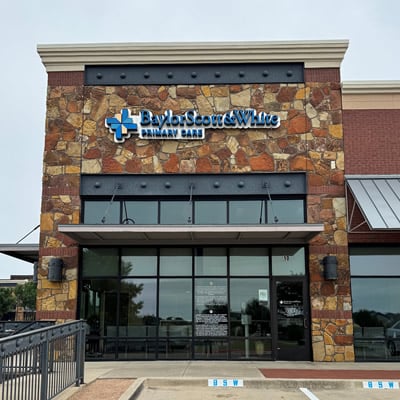
111 S Preston Rd Ste 10, Prosper, TX, 75078
111 S Preston Rd Ste 10, Prosper, TX, 75078
Not accepting walk-ins
1250 8th Ave Ste 200, Fort Worth, TX, 76104
1250 8th Ave Ste 200, Fort Worth, TX, 76104
Not accepting walk-ins
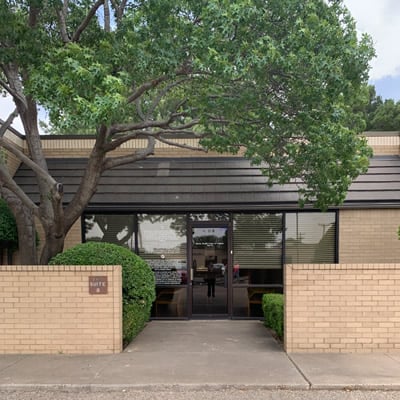
3711 22nd St Ste B, Lubbock, TX, 79410
3711 22nd St Ste B, Lubbock, TX, 79410
Not accepting walk-ins

420 E 6th St Ste 102, Odessa, TX, 79761
420 E 6th St Ste 102, Odessa, TX, 79761
Not accepting walk-ins
2035 Fort Worth Hwy Ste 100, Weatherford, TX, 76086
2035 Fort Worth Hwy Ste 100, Weatherford, TX, 76086
Not accepting walk-ins
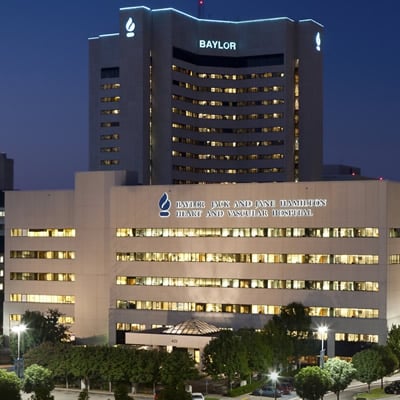
621 N Hall St Ste 120, Dallas, TX, 75226
621 N Hall St Ste 120, Dallas, TX, 75226
Not accepting walk-ins
3333 Colorado Blvd , Denton, TX, 76210
3333 Colorado Blvd , Denton, TX, 76210
Not accepting walk-ins

5236 W University Dr Ste 4900, McKinney, TX, 75071
5236 W University Dr Ste 4900, McKinney, TX, 75071
Not accepting walk-ins
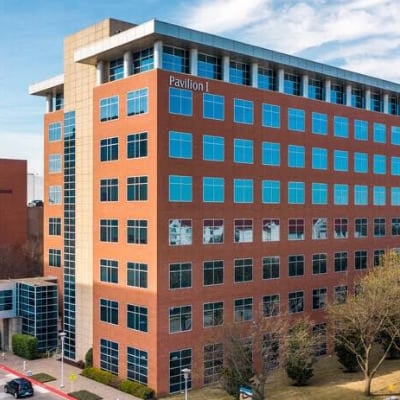
4708 Alliance Blvd Pavilion I, Ste 540, Plano, TX, 75093
4708 Alliance Blvd Pavilion I, Ste 540, Plano, TX, 75093
Not accepting walk-ins
621 N Hall St Ste 500, Dallas, TX, 75226
621 N Hall St Ste 500, Dallas, TX, 75226
Not accepting walk-ins
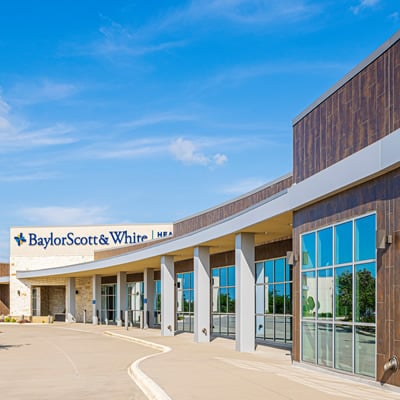
4400 Interstate 30 W Ste 300, Greenville, TX, 75402
4400 Interstate 30 W Ste 300, Greenville, TX, 75402
Not accepting walk-ins
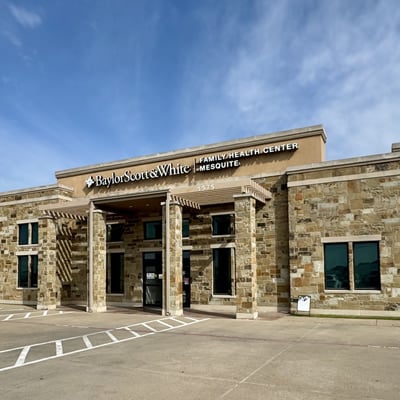
1575 Interstate 30 , Mesquite, TX, 75150
1575 Interstate 30 , Mesquite, TX, 75150
Not accepting walk-ins
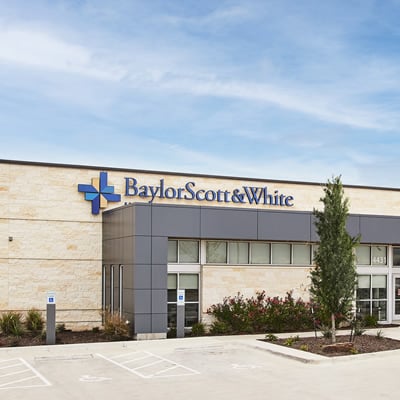
4431 E US Hwy 287 , Midlothian, TX, 76065
4431 E US Hwy 287 , Midlothian, TX, 76065
Not accepting walk-ins
9101 N Central Expy Ste 300C, Dallas, TX, 75231
9101 N Central Expy Ste 300C, Dallas, TX, 75231
Not accepting walk-ins
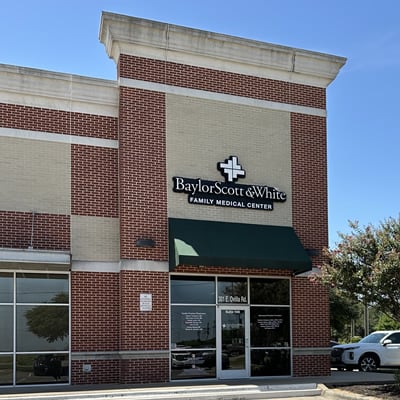
301 E Ovilla Rd Ste 100, Red Oak, TX, 75154
301 E Ovilla Rd Ste 100, Red Oak, TX, 75154
Not accepting walk-ins
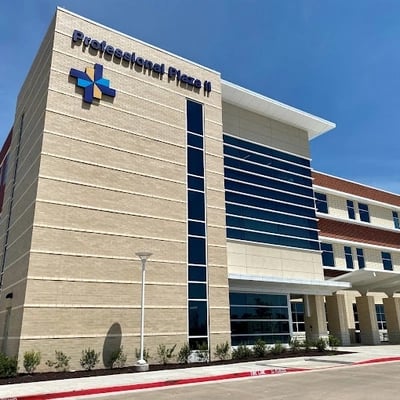
2360 N Interstate 35E Ste 110, Waxahachie, TX, 75165
2360 N Interstate 35E Ste 110, Waxahachie, TX, 75165
Not accepting walk-ins

1110 Cottonwood Ln Ste 215, Irving, TX, 75038
1110 Cottonwood Ln Ste 215, Irving, TX, 75038
Not accepting walk-ins
1307 8th Ave Ste 406, Fort Worth, TX, 76104
1307 8th Ave Ste 406, Fort Worth, TX, 76104
Not accepting walk-ins
3333 Colorado Blvd , Denton, TX, 76210
3333 Colorado Blvd , Denton, TX, 76210
Not accepting walk-ins
16050 Everwell Ln Ste 210, Frisco, TX, 75033
16050 Everwell Ln Ste 210, Frisco, TX, 75033
Not accepting walk-ins
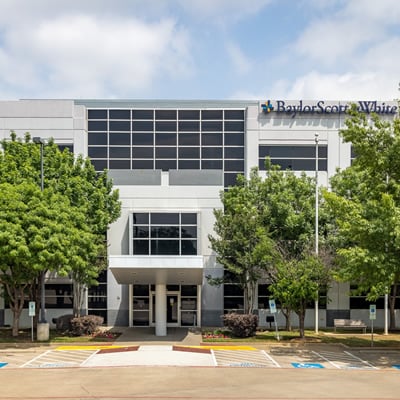
2020 W State Hwy 114 Ste 200, Grapevine, TX, 76051
2020 W State Hwy 114 Ste 200, Grapevine, TX, 76051
Not accepting walk-ins
1401 Shoal Creek Ste 240, Highland Village, TX, 75077
1401 Shoal Creek Ste 240, Highland Village, TX, 75077
Not accepting walk-ins
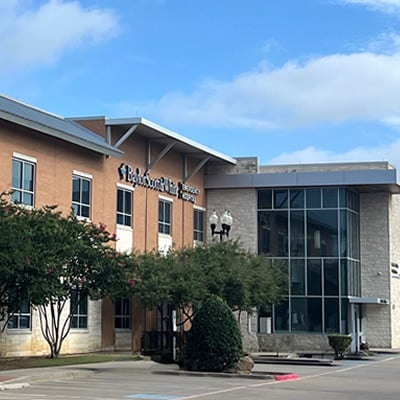
620 S Main St Ste 240, Keller, TX, 76248
620 S Main St Ste 240, Keller, TX, 76248
Not accepting walk-ins
6000 W Spring Creek Pkwy Ste 220, Plano, TX, 75024
6000 W Spring Creek Pkwy Ste 220, Plano, TX, 75024
Not accepting walk-ins
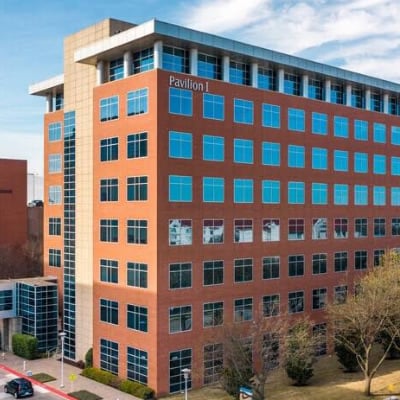
4708 Alliance Blvd Pavilion I, Ste 450 , Plano, TX, 75093
4708 Alliance Blvd Pavilion I, Ste 450 , Plano, TX, 75093
Not accepting walk-ins
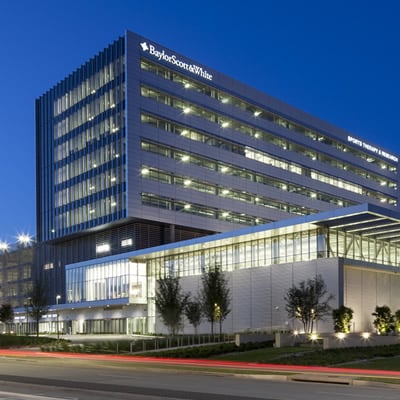
3800 Gaylord Pkwy Ste 910, Frisco, TX, 75034
3800 Gaylord Pkwy Ste 910, Frisco, TX, 75034
Not accepting walk-ins
5308 N Galloway Ave Ste 201, Mesquite, TX, 75150
5308 N Galloway Ave Ste 201, Mesquite, TX, 75150
Not accepting walk-ins
6705 Heritage Pkwy Ste 202, Rockwall, TX, 75087
6705 Heritage Pkwy Ste 202, Rockwall, TX, 75087
Not accepting walk-ins
3410 Worth St Ste 760, Dallas, TX, 75246
3410 Worth St Ste 760, Dallas, TX, 75246
Not accepting walk-ins
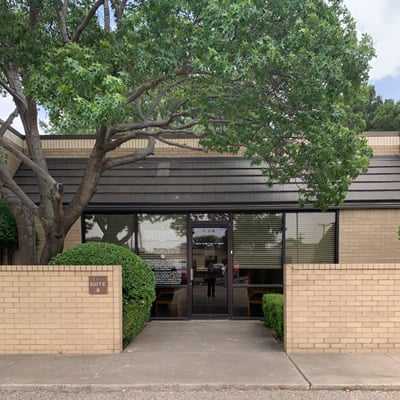
3711 22nd St Ste B, Lubbock, TX, 79410
3711 22nd St Ste B, Lubbock, TX, 79410
Not accepting walk-ins
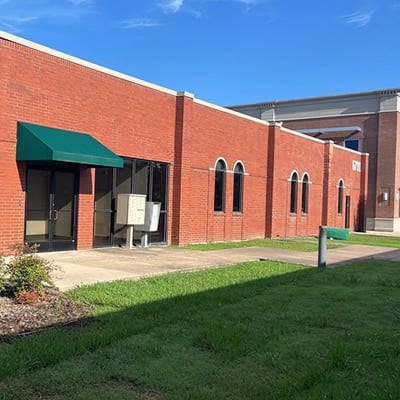
6701 Heritage Pkwy Ste 130, Rockwall, TX, 75087
6701 Heritage Pkwy Ste 130, Rockwall, TX, 75087
Not accepting walk-ins
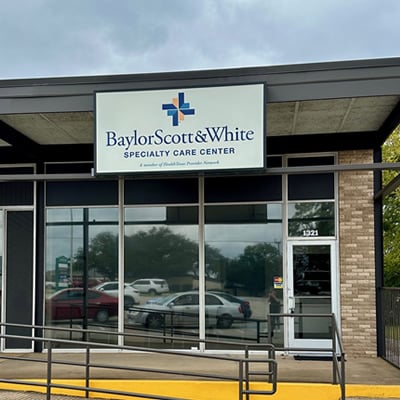
1321 S Beckham Ave , Tyler, TX, 75702
1321 S Beckham Ave , Tyler, TX, 75702
Not accepting walk-ins
2480 N Interstate 35E , Waxahachie, TX, 75165
2480 N Interstate 35E , Waxahachie, TX, 75165
Not accepting walk-ins