

Compassionate urogynecology care in Texas
Pelvic health is important for women of all ages. From leaks when you laugh to sexual dysfunction, pelvic issues can limit your daily activities, but you don’t have to live with these symptoms. At Baylor Scott & White, you’ll get the support you need from urogynecologists who can help you manage incontinence, pelvic pain and other similar concerns, and get you back to a life you love.
Our approach to pelvic health
Pelvic floor disorders are estimated to affect as many as 25% of women in the United States. Urogynecologists specialize in these common conditions, offering comprehensive education, evaluation, diagnosis and treatment options to improve your pelvic health and quality of life.
Urogynecology conditions we treat
Pelvic floor disorders occur when the pelvic floor weakens. The pelvic floor includes the muscles, ligaments and connective tissue that support the organs. Here are some common types of pelvic floor disorders our providers treat.
Chronic pelvic pain
Chronic pelvic pain is severe pain that lasts six months or longer. A common condition that affects 1 in 7 women, it can be related to other mental and physical health disorders, such as depression and irritable bowel syndrome.
Fecal Incontinence
Fecal incontinence occurs when you have difficulty controlling bowel movements. You may not be able to hold in stool long enough to reach the toilet, or stool may leak without you realizing it.
Interstitial cystitis (bladder pain)
Interstitial cystitis, or bladder pain syndrome, causes severe pain that lasts six weeks or longer. Symptoms can mimic those of a urinary tract infection and other bladder conditions, making it difficult to diagnose.
Pelvic organ prolapse
Pelvic organ prolapse occurs when the natural support of the pelvic floor muscles weakens over time. Several factors, including childbirth, pelvic trauma and aging can cause this.
Sexual dysfunction
Many women who are affected by pelvic floor symptoms experience reduced sexual arousal, infrequent orgasms, and pain during or after intercourse. These complications occur for both physical and psychological reasons.
Urinary incontinence
Urinary incontinence is a lack of bladder control caused by pressure on the bladder (stress incontinence) or an overactive bladder (urge incontinence). You have many options for treating urinary incontinence.
Urinary tract infections (UTIs)
UTIs occur when bacteria enter the urethra and infect the bladder or kidneys. Your primary care or women’s health provider can treat UTIs with antibiotics, but a urogynecologist can help you address recurring UTIs.
Our urogynecology diagnostics and treatments
If you have a pelvic floor disorder, your women’s health provider can refer you to our urogynecology teams, where you’ll have access to advanced diagnostic tools and treatments to address your condition and help you get back to your daily routines with less pain, incontinence and other symptoms.
Your provider may recommend:
- Bladder augmentation (bladder repair surgery)
- Bladder instillations
- Cystoscopy
- Pelvic reconstructive surgery
- Pelvic slings
- Prolapse repair
- Sacrocolpopexy
You also have access to many nonsurgical solutions for incontinence, including:
- Biofeedback and functional electrical stimulation for incontinence
- Neuromodulation for incontinence
- Periurethral injections
- Pelvic floor physical therapy
Specialized pelvic floor therapy for your pelvic health
Pelvic floor physical therapy offers a nonsurgical solution for many pelvic health concerns. Strengthening pelvic muscles and reducing muscle tension can help alleviate pain, incontinence and other symptoms.
Find a location near you
You can access comprehensive and sensitive care at Baylor Scott & White, conveniently located throughout North and Central Texas. Our urogynecology teams specialize in female pelvic health and reconstructive surgery and have the expertise to treat a wide range of conditions.
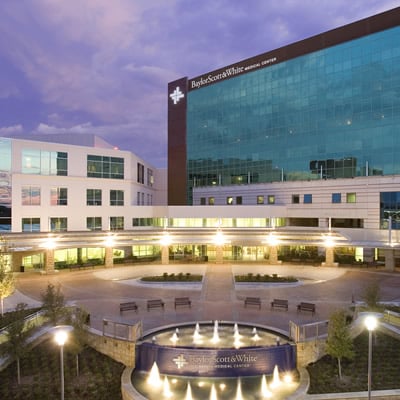
1400 8th Ave , Fort Worth, TX, 76104
1400 8th Ave , Fort Worth, TX, 76104
Accepting walk-ins
Patients in line:

1101 6th Ave Ste 110, Fort Worth, TX, 76104
1101 6th Ave Ste 110, Fort Worth, TX, 76104
Not accepting walk-ins
Patients in line:
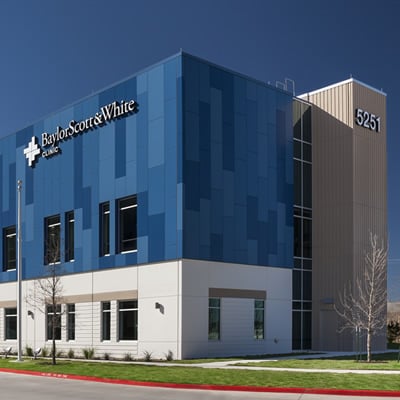
5251 US 290 , Austin, TX, 78735
5251 US 290 , Austin, TX, 78735
Not accepting walk-ins
Patients in line:

302 University Blvd , Round Rock, TX, 78665
302 University Blvd , Round Rock, TX, 78665
Not accepting walk-ins
Patients in line:
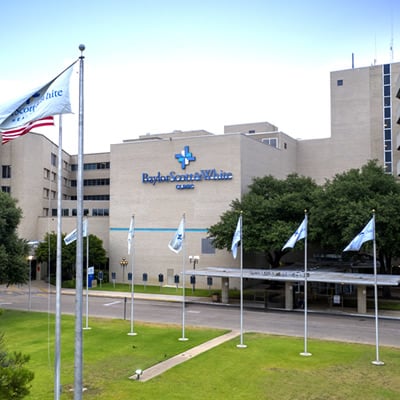
2401 S 31st St , Temple, TX, 76508
2401 S 31st St , Temple, TX, 76508
Not accepting walk-ins
Patients in line:
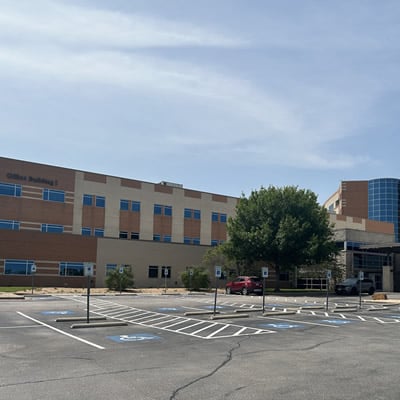
50 Hillcrest Medical Blvd Office Building I, Suite 102, Waco, TX, 76712
50 Hillcrest Medical Blvd Office Building I, Suite 102, Waco, TX, 76712
Not accepting walk-ins
Patients in line:
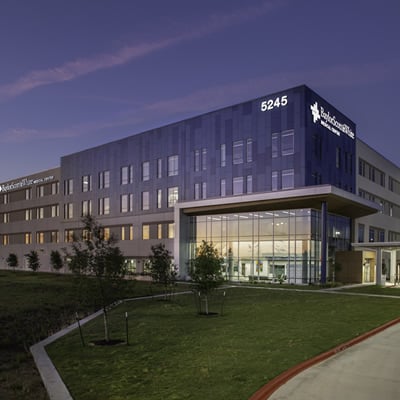
5245 W US Hwy 290 Service Rd , Austin, TX, 78735
5245 W US Hwy 290 Service Rd , Austin, TX, 78735
Accepting walk-ins
Patients in line:
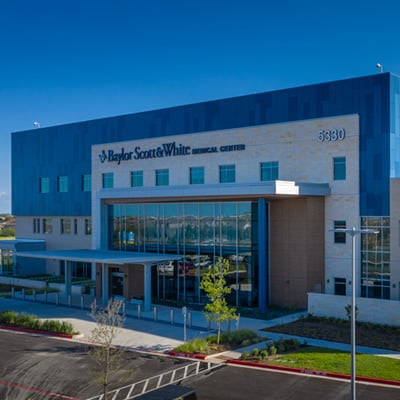
5330 Overpass Rd , Buda, TX, 78610
5330 Overpass Rd , Buda, TX, 78610
Accepting walk-ins
Patients in line:
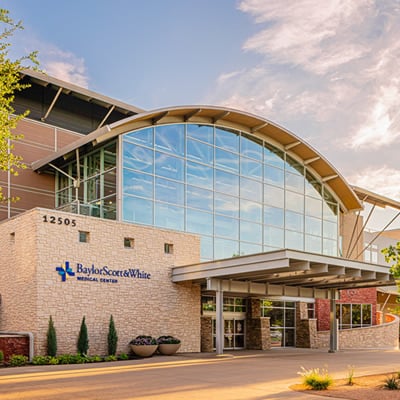
12505 Lebanon Rd , Frisco, TX, 75035
12505 Lebanon Rd , Frisco, TX, 75035
Accepting walk-ins
Patients in line:
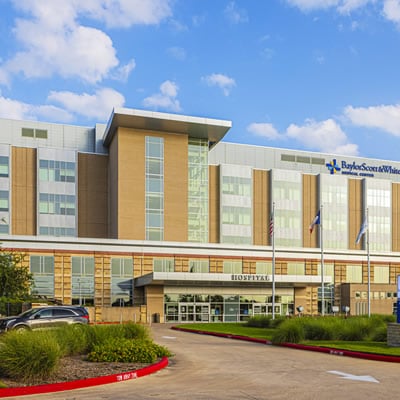
700 Scott and White Dr , College Station, TX, 77845
700 Scott and White Dr , College Station, TX, 77845
Accepting walk-ins
Patients in line:
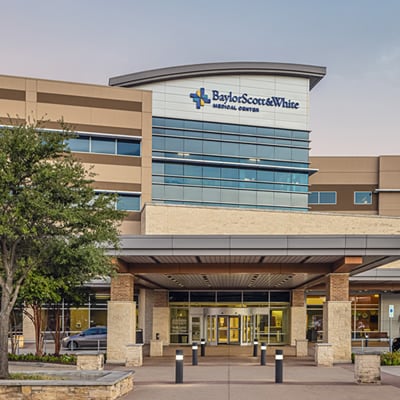
1650 W College St , Grapevine, TX, 76051
1650 W College St , Grapevine, TX, 76051
Accepting walk-ins
Patients in line:
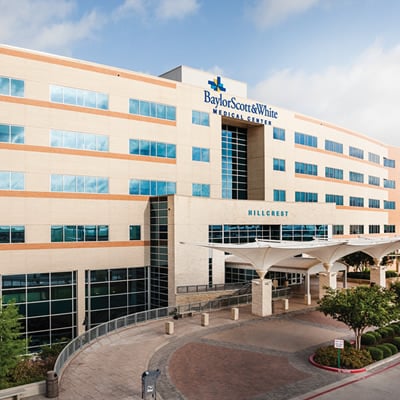
100 Hillcrest Medical Blvd , Waco, TX, 76712
100 Hillcrest Medical Blvd , Waco, TX, 76712
Accepting walk-ins
Patients in line:
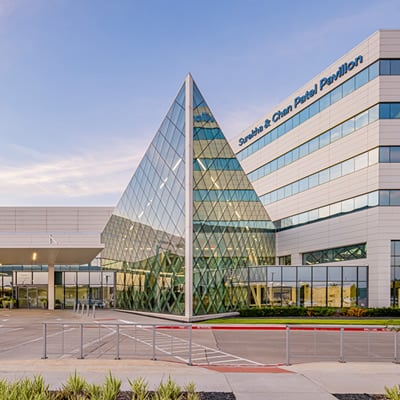
1901 N MacArthur Blvd , Irving, TX, 75061
1901 N MacArthur Blvd , Irving, TX, 75061
Accepting walk-ins
Patients in line:
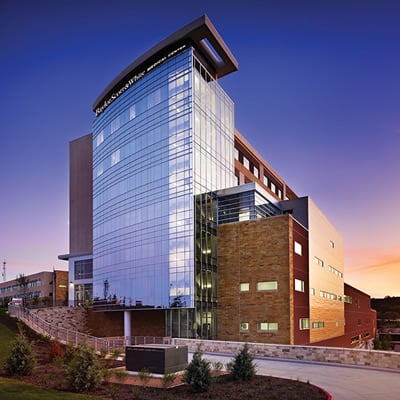
100 Medical Pkwy , Lakeway, TX, 78738
100 Medical Pkwy , Lakeway, TX, 78738
Accepting walk-ins
Patients in line:
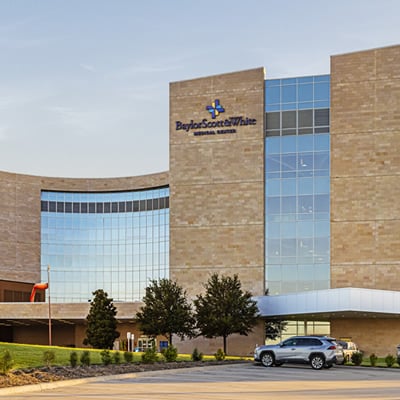
5252 W University Dr Highway 380 at Lake Forest Drive, McKinney, TX, 75071
5252 W University Dr Highway 380 at Lake Forest Drive, McKinney, TX, 75071
Accepting walk-ins
Patients in line:
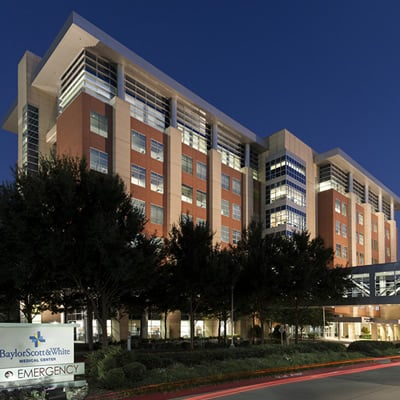
4700 Alliance Blvd , Plano, TX, 75093
4700 Alliance Blvd , Plano, TX, 75093
Accepting walk-ins
Patients in line:

300 University Blvd , Round Rock, TX, 78665
300 University Blvd , Round Rock, TX, 78665
Accepting walk-ins
Patients in line:
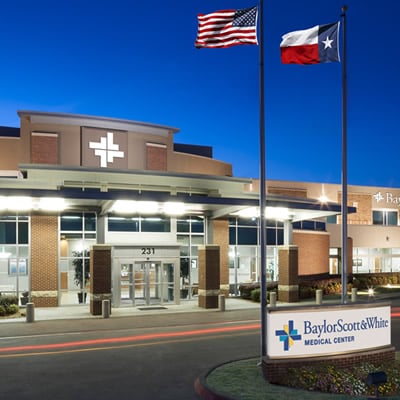
231 S Collins Rd , Sunnyvale, TX, 75182
231 S Collins Rd , Sunnyvale, TX, 75182
Accepting walk-ins
Patients in line:
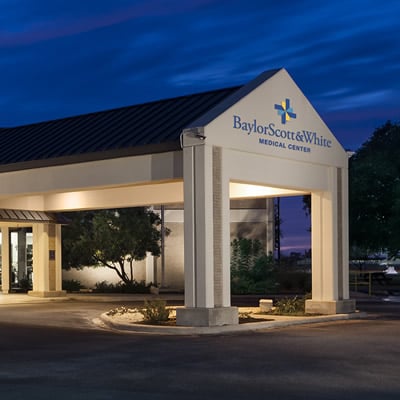
305 Mallard Ln , Taylor, TX, 76574
305 Mallard Ln , Taylor, TX, 76574
Accepting walk-ins
Patients in line:
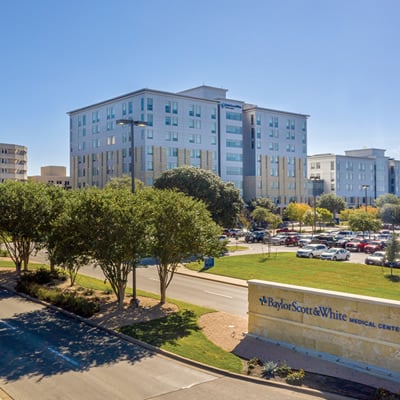
2401 S 31st St , Temple, TX, 76508
2401 S 31st St , Temple, TX, 76508
Accepting walk-ins
Patients in line:

2405 S Clear Creek Rd , Killeen, TX, 76549
2405 S Clear Creek Rd , Killeen, TX, 76549
Not accepting walk-ins
Patients in line:

4501 Swiss Ave , Dallas, TX, 75204
4501 Swiss Ave , Dallas, TX, 75204
Not accepting walk-ins
Patients in line:

1631 Lancaster Dr Ste 370, Grapevine, TX, 76051
1631 Lancaster Dr Ste 370, Grapevine, TX, 76051
Not accepting walk-ins
Patients in line:

2001 N MacArthur Blvd Ste 425, Irving, TX, 75061
2001 N MacArthur Blvd Ste 425, Irving, TX, 75061
Not accepting walk-ins
Patients in line:

5236 W University Dr Ste 2700, McKinney, TX, 75071
5236 W University Dr Ste 2700, McKinney, TX, 75071
Not accepting walk-ins
Patients in line:

4601 Old Shepard Pl Bldg 3, Ste 305, Plano, TX, 75093
4601 Old Shepard Pl Bldg 3, Ste 305, Plano, TX, 75093
Not accepting walk-ins
Patients in line:

200 N Virginia St , Terrell, TX, 75160
200 N Virginia St , Terrell, TX, 75160
Not accepting walk-ins
Patients in line:

1505 W Jefferson St Ste 160, Waxahachie, TX, 75165
1505 W Jefferson St Ste 160, Waxahachie, TX, 75165
Not accepting walk-ins
Patients in line:
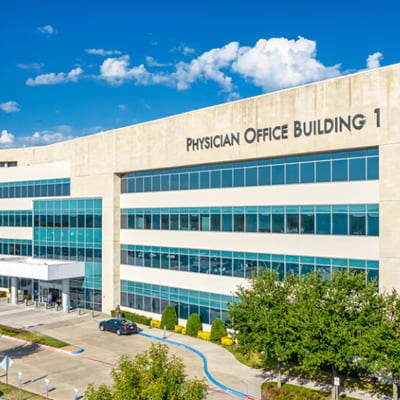
5236 W University Dr Ste 2700, McKinney, TX, 75071
5236 W University Dr Ste 2700, McKinney, TX, 75071
Not accepting walk-ins
Patients in line:
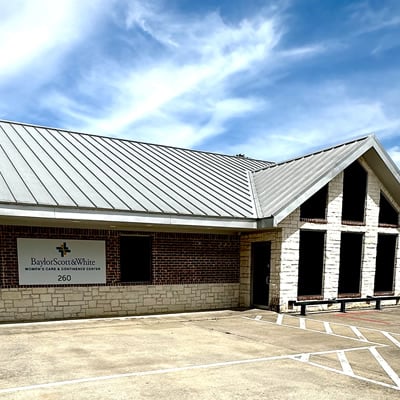
260 E Evergreen St , Sherman, TX, 75090
260 E Evergreen St , Sherman, TX, 75090
Not accepting walk-ins
Patients in line:

3500 Gaston Ave , Dallas, TX, 75246
3500 Gaston Ave , Dallas, TX, 75246
Accepting walk-ins
Patients in line: