

What is pelvic floor therapy?
Pelvic floor therapy is a form of physical therapy designed to improve function in your pelvic floor muscles—those that support your bladder, bowels and uterus. Pelvic floor therapy can retrain your body to help correct pelvic floor dysfunction, where pelvic floor muscles may be tight, uncoordinated or weak.
While pelvic floor disorders such as bladder or bowel leakage, going to the bathroom urgently and often, or pelvic pain can be frustrating, pelvic floor physical therapy can help to greatly improve your quality of life. You’ll learn exercises and techniques to coordinate, relax and strengthen your pelvic floor muscles as needed so they can support your pelvic organs effectively.
Our approach to pelvic floor physical therapy
At Baylor Scott & White, our pelvic floor physical therapists offer programs tailored to address issues causing incontinence, pelvic organ prolapse, pain or sexual dysfunction, or those that are otherwise keeping you from living your fullest life. You’ll receive:
- An individualized care plan based on the latest research
- Personalized, one-on-one therapy with a compassionate therapist
- Team-centered care that includes your physical therapist and your medical providers
- Therapies and treatments to improve coordination and sensory awareness so you can better understand and control pelvic function
Pelvic floor symptoms and conditions we treat
Pelvic floor dysfunction may be associated with numerous conditions across your life, from childbirth to trauma. Additionally, it can cause painful symptoms that disrupt your quality of life. A few conditions and symptoms we treat include:
- Pregnancy and postpartum: During pregnancy, pelvic floor therapy may help alleviate discomfort, reduce worsening bladder and bowel symptoms, and prepare you for labor and delivery as well as postpartum recovery. Check with your OBGYN if this is a safe option for you. During the postpartum period, it is generally advised to return to pelvic floor physical therapy after seeing your OBGYN for your six-week follow-up. But you can always ask your provider for a referral to return sooner if needed. Continuing with your physical therapist while postpartum can improve your recovery and get you back to your normal activities sooner and with less discomfort.
- Bladder and bowel control: Our pelvic floor physical therapists can teach you exercises and behavior modifications to better control urinary and bowel functions.
- Pelvic pain: Depending on what’s causing your pain, you may benefit from biofeedback, manual therapy, exercises such as postural training, stretching and strengthening, or changes to daily activities.
- Pelvic organ prolapse: We can help you with lifestyle changes and prescribe exercises and devices to alleviate symptoms of pelvic organ prolapse.
- Painful sex: Some conditions that cause painful intercourse can be treated through pelvic floor physical therapy.
Pelvic floor therapy techniques and treatments offered
At Baylor Scott & White, you can benefit from numerous techniques and treatments to help you control, relax and strengthen your pelvic floor muscles.
Biomechanical guidance
We provide teaching and exercise for biomechanical, or postural, changes you can make to improve pelvic floor balance and function.
Dry needling
A therapist inserts thin needles into muscle trigger points in surrounding areas to alleviate discomfort and tension contributing to pelvic floor dysfunction.
Education
We provide guidance for behavioral, dietary or lifestyle changes that can benefit your pelvic floor health and improve your quality of life.
Electrical stimulation
A therapist applies a mild electrical current to strengthen a muscle or get it accustomed to nerve activity.
Electromyography biofeedback
Sensors help you understand your pelvic floor activity so you can better control muscles.
Exercises
You’ll learn exercises and techniques that engage specific muscle groups to address ongoing issues.
Myofascial release
A therapist uses manual (hands-on) therapy to target and release trigger points in your muscles as well as tension in your connective tissues, such as scar tissue created by inflammation or injury.
Soft tissue mobilization
Your therapist can use various massage techniques to release tension in your muscles contributing to pain and pelvic floor dysfunction.
What to expect from pelvic floor physical therapy
A primary care doctor, OBGYN or other provider may refer you to pelvic floor physical therapy. We’ll start with a conversation to understand your condition, how it affects your daily activities and any concerns you might have.
You will then have a private, one-on-one evaluation with a physical therapist, who will holistically assess the strength and muscle coordination of your hips, lower back and pelvic floor. Based on this evaluation, your medical history and diagnosis, your physical therapist will create a treatment plan that meets your needs. The plan may address a range of physical and behavioral aspects of your pelvic floor dysfunction.
You’ll receive guidance in the clinic and exercises to perform at home so you can relieve discomfort, improve function and go about your life with confidence.
Comprehensive urogynecology and pelvic health care
Baylor Scott & White offers pelvic floor therapy in the context of a comprehensive urogynecology program. Our team has expertise in treating conditions ranging from simple urinary tract infections to prolapse and postsurgical rehabilitation, as well as pelvic pain and sexual dysfunction. We use an evidence-based, holistic approach to care, addressing not only pelvic floor dysfunction but the role it plays in your daily life.
Find a location for pelvic floor therapy near you
We help you get care at a location that fits your needs. We offer several locations for your care, including urogynecology centers in North and Central Texas.
Baylor Scott & White offers pelvic floor therapy in North and Central Texas, including locations within Baylor Scott & White Institute for Rehabilitation. Our team delivers individualized, one-on-one care whether you are seeking a diagnosis, dietary and lifestyle modification guidance or a personalized therapy and treatment plan.
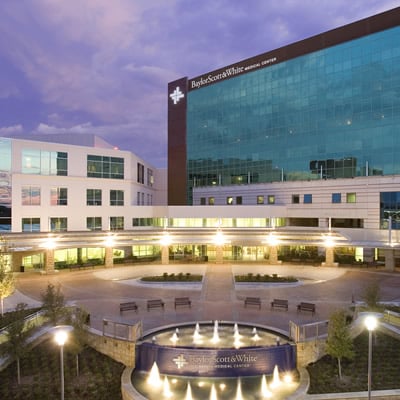
1400 8th Ave , Fort Worth, TX, 76104
1400 8th Ave , Fort Worth, TX, 76104
Accepting walk-ins
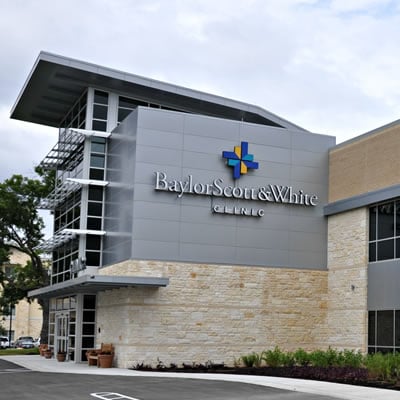
910 E Whitestone Blvd , Cedar Park, TX, 78613
910 E Whitestone Blvd , Cedar Park, TX, 78613
Not accepting walk-ins
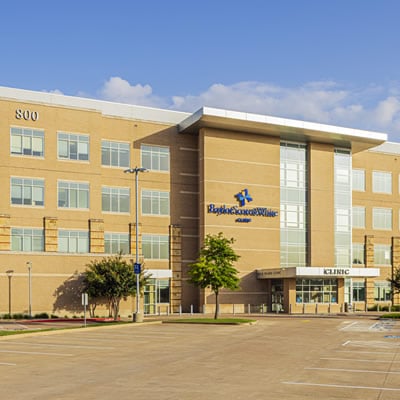
800 Scott and White Dr , College Station, TX, 77845
800 Scott and White Dr , College Station, TX, 77845
Not accepting walk-ins

300A University Blvd , Round Rock, TX, 78665
300A University Blvd , Round Rock, TX, 78665
Not accepting walk-ins

302 University Blvd , Round Rock, TX, 78665
302 University Blvd , Round Rock, TX, 78665
Not accepting walk-ins

200 N Virginia St , Terrell, TX, 75160
200 N Virginia St , Terrell, TX, 75160
Not accepting walk-ins
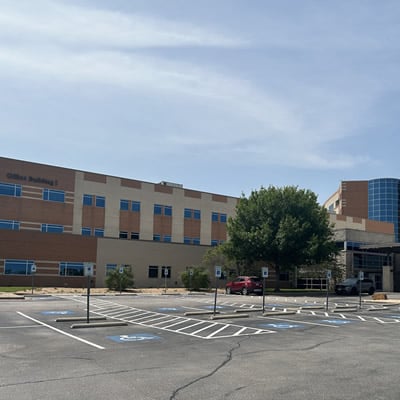
50 Hillcrest Medical Blvd Office Building I, Suite 102, Waco, TX, 76712
50 Hillcrest Medical Blvd Office Building I, Suite 102, Waco, TX, 76712
Not accepting walk-ins

11623 Angus Rd Ste 18, Austin, TX, 78759
11623 Angus Rd Ste 18, Austin, TX, 78759
Not accepting walk-ins
250 N US Highway 377 Ste 300, Argyle, TX, 76226
250 N US Highway 377 Ste 300, Argyle, TX, 76226
Not accepting walk-ins
11215 IH-35 Ste 102, Austin, TX, 78747
11215 IH-35 Ste 102, Austin, TX, 78747
Not accepting walk-ins
701 East Whitestone Blvd Ste 100, Cedar Park, TX, 78613
701 East Whitestone Blvd Ste 100, Cedar Park, TX, 78613
Not accepting walk-ins
333 N Shiloh Rd Ste 108, Garland, TX, 75042
333 N Shiloh Rd Ste 108, Garland, TX, 75042
Not accepting walk-ins
4112 Williams Dr Ste 103, Georgetown, TX, 78628
4112 Williams Dr Ste 103, Georgetown, TX, 78628
Not accepting walk-ins
1643 Lancaster Dr Ste 100, Grapevine, TX, 76051
1643 Lancaster Dr Ste 100, Grapevine, TX, 76051
Not accepting walk-ins

2001 N MacArthur Blvd Bldg I, Ste 550, Irving, TX, 75061
2001 N MacArthur Blvd Bldg I, Ste 550, Irving, TX, 75061
Not accepting walk-ins
12400 Gregg Manor Rd Ste 101, Manor, TX, 78653
12400 Gregg Manor Rd Ste 101, Manor, TX, 78653
Not accepting walk-ins
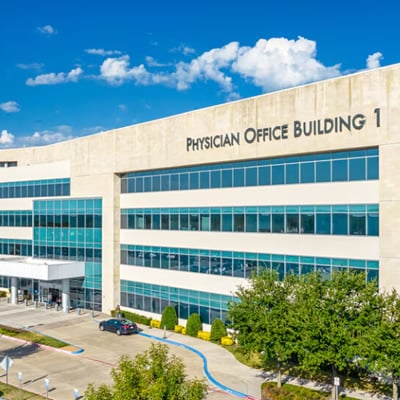
5236 W University Dr Ste 3500, McKinney, TX, 75071
5236 W University Dr Ste 3500, McKinney, TX, 75071
Not accepting walk-ins
1801 E 51st St Ste 300, Austin, TX, 78723
1801 E 51st St Ste 300, Austin, TX, 78723
Not accepting walk-ins
2200 Park Bend Dr Bldg 1, Ste 202, Austin, TX, 78757
2200 Park Bend Dr Bldg 1, Ste 202, Austin, TX, 78757
Not accepting walk-ins
16051 Dessau Rd Ste A, Pflugerville, TX, 78660
16051 Dessau Rd Ste A, Pflugerville, TX, 78660
Not accepting walk-ins
4825 Alliance Blvd Ste 200, Plano, TX, 75093
4825 Alliance Blvd Ste 200, Plano, TX, 75093
Not accepting walk-ins
300A University Blvd , Round Rock, TX, 78665
300A University Blvd , Round Rock, TX, 78665
Not accepting walk-ins
3901 S Lamar Blvd Ste 140, Austin, TX, 78704
3901 S Lamar Blvd Ste 140, Austin, TX, 78704
Not accepting walk-ins
2501 W William Cannon Dr Building 1, Ste 102, Austin, TX, 78745
2501 W William Cannon Dr Building 1, Ste 102, Austin, TX, 78745
Not accepting walk-ins
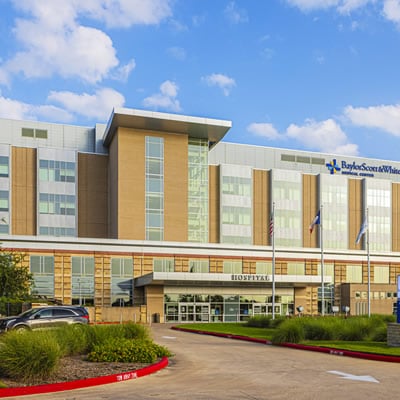
700 Scott and White Dr , College Station, TX, 77845
700 Scott and White Dr , College Station, TX, 77845
Accepting walk-ins
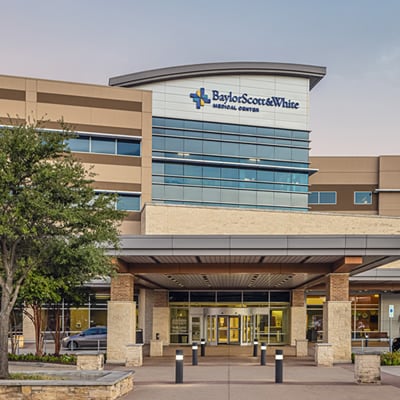
1650 W College St , Grapevine, TX, 76051
1650 W College St , Grapevine, TX, 76051
Accepting walk-ins
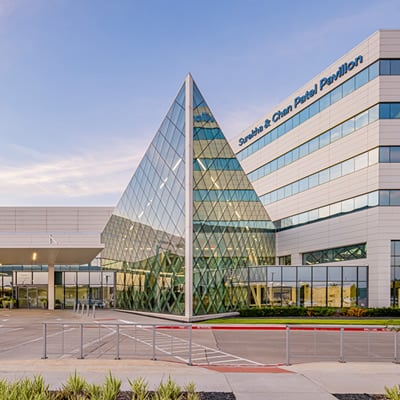
1901 N MacArthur Blvd , Irving, TX, 75061
1901 N MacArthur Blvd , Irving, TX, 75061
Accepting walk-ins
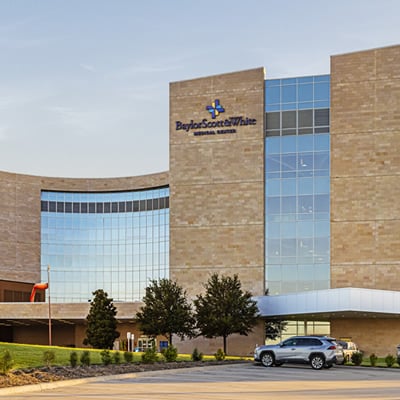
5252 W University Dr Highway 380 at Lake Forest Drive, McKinney, TX, 75071
5252 W University Dr Highway 380 at Lake Forest Drive, McKinney, TX, 75071
Accepting walk-ins
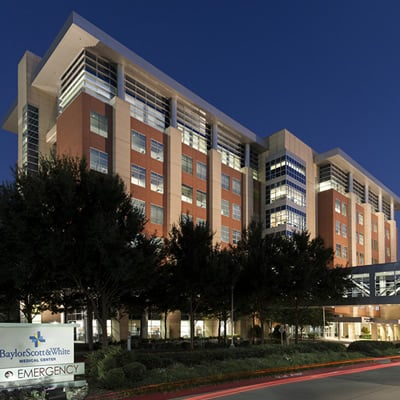
4700 Alliance Blvd , Plano, TX, 75093
4700 Alliance Blvd , Plano, TX, 75093
Accepting walk-ins

300 University Blvd , Round Rock, TX, 78665
300 University Blvd , Round Rock, TX, 78665
Accepting walk-ins
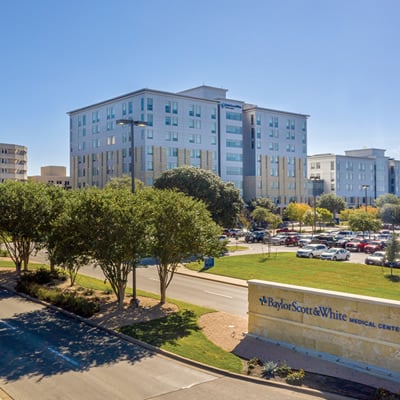
2401 S 31st St , Temple, TX, 76508
2401 S 31st St , Temple, TX, 76508
Accepting walk-ins
3409 Worth St Ste 600, Dallas, TX, 75246
3409 Worth St Ste 600, Dallas, TX, 75246
Not accepting walk-ins

7217 Telecom Pkwy Ste 100, Garland, TX, 75044
7217 Telecom Pkwy Ste 100, Garland, TX, 75044
Not accepting walk-ins

4501 Swiss Ave , Dallas, TX, 75204
4501 Swiss Ave , Dallas, TX, 75204
Not accepting walk-ins

1631 Lancaster Dr Ste 370, Grapevine, TX, 76051
1631 Lancaster Dr Ste 370, Grapevine, TX, 76051
Not accepting walk-ins

2001 N MacArthur Blvd Ste 425, Irving, TX, 75061
2001 N MacArthur Blvd Ste 425, Irving, TX, 75061
Not accepting walk-ins

5236 W University Dr Ste 2700, McKinney, TX, 75071
5236 W University Dr Ste 2700, McKinney, TX, 75071
Not accepting walk-ins

4601 Old Shepard Pl Bldg 3, Ste 305, Plano, TX, 75093
4601 Old Shepard Pl Bldg 3, Ste 305, Plano, TX, 75093
Not accepting walk-ins

200 N Virginia St , Terrell, TX, 75160
200 N Virginia St , Terrell, TX, 75160
Not accepting walk-ins

1505 W Jefferson St Ste 160, Waxahachie, TX, 75165
1505 W Jefferson St Ste 160, Waxahachie, TX, 75165
Not accepting walk-ins