What is dysphagia?

Dysphagia, or difficulty swallowing, is a type of swallowing disorder that makes it hard for you to eat, drink or swallow saliva. Some people with dysphagia can’t swallow at all.

Occasional swallowing problems affect everyone. You may have a hard time swallowing food if you don’t chew it well enough or feel like something “went down the wrong way” if you eat or drink too quickly. Dysphagia, however, causes regular, ongoing swallowing difficulties that, untreated, can lead to malnutrition (not getting the nutrients your body needs), dehydration, weight loss and other concerns.

Dysphagia can develop as you get older and the muscles that help you swallow become weak. But it’s not a condition on its own. Dysphagia can be a symptom of many conditions that affect your nerves, muscles or esophagus. Your doctor can help you find what’s causing your dysphagia and treat the cause or offer ways to improve your ability to swallow.

AdobeStock_567006010.jpeg

Types of dysphagia

Doctors might categorize dysphagia based on how it affects your ability to swallow.

Swallowing happens in four phases. First, chewing or gathering food or drinks in your mouth gets them ready for you to swallow (oral preparation phase). Second, your tongue moves foods and drinks toward your throat (oral phase). Third, food moves from your throat into your esophagus (pharyngeal phase). Finally, food travels down your esophagus into your stomach (esophageal stage).

Dysphagia can cause problems at each stage.

  • Oropharyngeal dysphagia: Foods and liquids don’t travel from your throat into your esophagus as they should.
  • Esophageal dysphagia: Swallowing difficulty occurs because of problems with the structure of your esophagus or its ability to move foods and drinks to your stomach.

Dysphagia symptoms

Dysphagia makes swallowing difficult, but what “difficult” looks like can vary. Some people may have problems swallowing only solids or liquids, while others may have difficulties swallowing both. Some symptoms affect the act of swallowing, and others show up a few seconds later.

Symptoms of dysphagia can include:

  • Aspirating (inhaling) food
  • Choking on foods or drinks or gagging when trying to swallow
  • Coughing up food or blood
  • Difficulty breathing while eating
  • Drooling
  • Feeling like something you’re trying to swallow is stuck in your throat or chest
  • Foods and drinks coming out through the nose
  • Having foods, drinks or stomach acids come back up into your throat (regurgitation)
  • Heartburn that occurs frequently
  • Hoarseness or other changes to your voice, such as gurgling
  • Pain when you’re trying to swallow
  • Taking longer than usual or using more effort to chew or swallow

Dysphagia causes

Many different conditions can cause dysphagia. These conditions may affect the brain, nervous system and muscles; how well the esophagus works (esophageal motility); or the esophagus itself. Oropharyngeal dysphagia can be caused by neurological or structural problems, and esophageal dysphagia can be caused by motility disorders or structural issues.

Neurological and neuromuscular conditions

Neurological and neuromuscular conditions may interfere with how the brain, nerves and muscles work together to help you swallow. A common sign that a neuromuscular issue might be causing dysphagia is if food comes out of the nose or mouth.

Many of these conditions can cause dysphagia, including:

Dysphagia risk factors

Having a condition or taking a medication associated with dysphagia could increase your risk of developing it. Still, having one of those conditions does not mean you will develop dysphagia.

The other primary risk factor for dysphagia is age. It generally affects people aged 50 and older. Although dysphagia is not a natural part of aging, it occurs with many conditions that commonly occur as people get older. The esophagus also experiences age-related wear and tear, and swallowing muscles may get weak with age, increasing the chances of developing dysphagia.

Complications

Dysphagia can be isolating. You may not want to eat in social settings if you have trouble swallowing or symptoms that might feel embarrassing. You may also enjoy meals less than you used to.

Physically, dysphagia can cause long-term and potentially serious complications, including:

  • Aspiration: When you inhale food into your lungs, harmful bacteria can enter your airways and cause pneumonia. Long-term aspiration can lead to chronic lung disease.
  • Choking: Choking on food that you cannot swallow can be fatal.
  • Dehydration, malnutrition and weight loss: Dysphagia can prevent your body from getting the liquid and nutrients you need. Over time, you can lose too much weight.

How is dysphagia diagnosed?

Dysphagia is often a symptom of another condition, so when you see your doctor, they will want to find out what could be causing your swallowing difficulties. They will start with a medical exam and then order tests to learn the underlying cause.

Medical history and exam

Your doctor will review your medical history and ask you questions about your swallowing difficulties. They’ll want to know whether you have trouble swallowing solids, liquids or both and whether other symptoms occur when you’re eating, such as coughing, gagging, drooling or food coming out of your mouth or nose.

Your doctor will also perform a physical exam. They might look inside your mouth and throat, feel your neck to check for masses or an enlarged thyroid gland and check for signs that you might be malnourished.

Based on other symptoms you may have, your doctor might do a neurological exam. A neurological exam includes various tests, but your doctor may check your balance and muscle strength, how you walk and whether you have tremors. The neurological exam can help them determine if a neurological or neuromuscular problem could be causing your dysphagia.

Dysphagia treatment

To treat your dysphagia, your doctor will focus on the underlying cause. There are many medications, therapies and procedures available to treat or manage conditions that cause dysphagia. You may need to work with one or more specialists, such as a gastroenterologist, neurologist, otolaryngologist (ear, nose and throat doctor), oncologist or surgeon, to find the right treatment for you.

Lifestyle changes and working with a speech-language pathologist (a specially trained therapist with expertise in swallowing disorders) may help you manage swallowing difficulties while receiving treatment for a related condition. Dysphagia therapy can also help people with dementia, cerebral palsy and similar conditions avoid complications.

When medical treatments or therapy no longer work, a feeding tube may be necessary. 

Find care close to home if you have difficulty swallowing

At Baylor Scott & White, we offer several locations for the treatment of diseases of the digestive system, including dysphagia, at gastroenterology centers across North and Central Texas. Our experienced team is ready to provide personalized care to help improve your quality of life. Whether you're seeking diagnostic testing, treatment options or ongoing support, we are here to help you. 
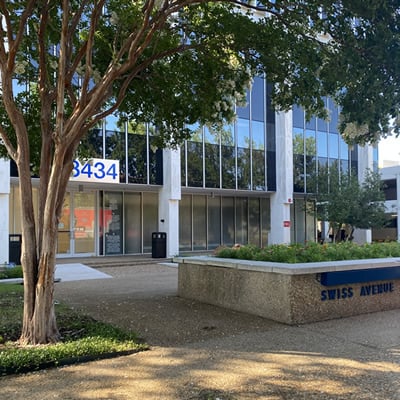
Baylor Scott & White Advanced Digestive Care

3434 Swiss Ave Ste 200, Dallas, TX, 75204

Not accepting walk-ins

Accepting walk-ins

Baylor Scott & White Ambulatory Endoscopy Center

4708 Alliance Blvd Pavilion I, Ste 210, Plano, TX, 75093

Not accepting walk-ins

Accepting walk-ins

Baylor Scott & White Center for Esophageal Diseases

3434 Swiss Ave Ste 200, Dallas, TX, 75204

Not accepting walk-ins

Baylor Scott & White Center for Inflammatory Bowel Diseases

3409 Worth St Ste 600, Dallas, TX, 75246

Not accepting walk-ins

Baylor Scott & White Clinic - Austin Oak Hill

5251 US 290 , Austin, TX, 78735

Not accepting walk-ins

Baylor Scott & White Clinic - Buda Medical Center

5330 Overpass Rd Ste 100, Buda, TX, 78610

Not accepting walk-ins

Baylor Scott & White Clinic - Cedar Park

910 E Whitestone Blvd , Cedar Park, TX, 78613

Not accepting walk-ins

Baylor Scott & White Clinic - College Station Rock Prairie

800 Scott and White Dr , College Station, TX, 77845

Not accepting walk-ins

Baylor Scott & White Clinic - Pflugerville Medical Center (Building 1)

2600 E Pflugerville Pkwy Bldg 1, Ste 200, Pflugerville, TX, 78660

Not accepting walk-ins

Baylor Scott & White Clinic - Pflugerville Medical Center Building 2

2600 E Pflugerville Pkwy Building 2, Pflugerville, TX, 78660

Not accepting walk-ins

Baylor Scott & White Clinic - Round Rock 300 University

300A University Blvd , Round Rock, TX, 78665

Not accepting walk-ins

Baylor Scott & White Clinic - Round Rock 302 University

302 University Blvd , Round Rock, TX, 78665

Not accepting walk-ins

Baylor Scott & White Clinic - Taylor

403 Mallard Ln , Taylor, TX, 76574

Not accepting walk-ins

Baylor Scott & White Clinic - Temple

2401 S 31st St , Temple, TX, 76508

Not accepting walk-ins

Baylor Scott & White Clinic - Waco

7700 Fish Pond Rd , Waco, TX, 76710

Accepting walk-ins

Baylor Scott & White Digestive Diseases - Centennial

4461 Coit Rd Pav 2, Ste 401, Frisco, TX, 75035

Not accepting walk-ins

Baylor Scott & White Digestive Diseases - Fort Worth

1250 8th Ave Ste 650, Fort Worth, TX, 76104

Not accepting walk-ins

Baylor Scott & White Digestive Diseases - Prosper

111 S Preston Rd Ste 10, Prosper, TX, 75078

Not accepting walk-ins

Baylor Scott & White Digestive Diseases - Waxahachie

2360 N Interstate 35E Ste 310 , Waxahachie, TX, 75165

Not accepting walk-ins

Baylor Scott & White Digestive Diseases and Medical Weight Loss - Plano

4716 Alliance Blvd Pavilion II, Ste 470, Plano, TX, 75093

Not accepting walk-ins

Baylor Scott & White Digestive Diseases at The Star

3800 Gaylord Pkwy Ste 910, Frisco, TX, 75034

Not accepting walk-ins

Baylor Scott & White Digestive Diseases Group - Anna

450 N Standridge Blvd Ste 104, Anna, TX, 75409

Not accepting walk-ins

Baylor Scott & White Digestive Diseases Group - Garland

7217 Telecom Pkwy Ste 300, Garland, TX, 75044

Not accepting walk-ins

Baylor Scott & White Digestive Diseases Group - McKinney

5236 W University Dr Ste 3800, McKinney, TX, 75071

Not accepting walk-ins

Baylor Scott & White Digestive Diseases Group - McKinney

5236 W University Dr Ste 3800, McKinney, TX, 75071

Not accepting walk-ins

Baylor Scott & White Digestive Diseases Group - Park Cities

9101 N Central Expy Ste 300C, Dallas, TX, 75231

Not accepting walk-ins

Baylor Scott & White Digestive Diseases Group - Plano

4708 Alliance Blvd Pavilion I, Ste 200, Plano, TX, 75093

Not accepting walk-ins

Baylor Scott & White Digestive Diseases Group at The Star

3800 Gaylord Pkwy Ste 910, Frisco, TX, 75034

Not accepting walk-ins

Baylor Scott & White Gastroenterology  - Greenville

4400 Interstate 30 W Ste 300, Greenville, TX, 75402

Not accepting walk-ins

Baylor Scott & White Gastroenterology  - Lake Pointe

6705 Heritage Pkwy Ste 203, Rockwall, TX, 75087

Not accepting walk-ins

Baylor Scott & White Medical Center - Austin

5245 W US Hwy 290 Service Rd , Austin, TX, 78735

Accepting walk-ins

Baylor Scott & White Medical Center - Buda

5330 Overpass Rd , Buda, TX, 78610

Accepting walk-ins

Baylor Scott & White Medical Center - Centennial

12505 Lebanon Rd , Frisco, TX, 75035

Accepting walk-ins

Baylor Scott & White Medical Center - College Station

700 Scott and White Dr , College Station, TX, 77845

Accepting walk-ins

Baylor Scott & White Medical Center - Frisco

5601 Warren Pkwy , Frisco, TX, 75034

Accepting walk-ins

Baylor Scott & White Medical Center - Grapevine

1650 W College St , Grapevine, TX, 76051

Accepting walk-ins

Baylor Scott & White Medical Center - Irving

1901 N MacArthur Blvd , Irving, TX, 75061

Accepting walk-ins

Baylor Scott & White Medical Center - Lake Pointe

6800 Scenic Dr , Rowlett, TX, 75088

Accepting walk-ins

Baylor Scott & White Medical Center - Lakeway

100 Medical Pkwy , Lakeway, TX, 78738

Accepting walk-ins

Baylor Scott & White Medical Center - Marble Falls

810 W State Hwy 71 , Marble Falls, TX, 78654

Accepting walk-ins

Baylor Scott & White Medical Center - McKinney

5252 W University Dr Highway 380 at Lake Forest Drive, McKinney, TX, 75071

Accepting walk-ins

Baylor Scott & White Medical Center - Pflugerville (Building 1)

2600 E Pflugerville Pkwy Bldg 1, Ste 100, Pflugerville, TX, 78660

Accepting walk-ins

Baylor Scott & White Medical Center - Plano

4700 Alliance Blvd , Plano, TX, 75093

Accepting walk-ins

Baylor Scott & White Medical Center - Sunnyvale

231 S Collins Rd , Sunnyvale, TX, 75182

Accepting walk-ins

Baylor Scott & White Medical Center - Taylor

305 Mallard Ln , Taylor, TX, 76574

Accepting walk-ins

Frequently asked questions

Loading...