What are the symptoms of mesothelioma?

Mesothelioma symptoms vary based on the condition’s location and stage. The most common symptoms include fatigue, chest or abdominal pain, respiratory issues and fluid buildup. However, you may not experience any symptoms at all.

It’s also important to know that some signs of mesothelioma can resemble other conditions, so if you have any persistent symptoms, consult your doctor.

Learn more about the different symptoms:

medical provider using stethoscope to listen to patient's chest for mesothelioma symptoms

What are the symptoms of pleural mesothelioma?

Originating in the lungs, pleural mesothelioma symptoms are often in the chest or respiratory system. However, you may have symptoms that affect your whole body too. These typically develop very slowly—over 10 to 50 years—so it’s common for pleural mesothelioma symptoms to be mistaken for other lung conditions, like bronchitis, flu, lung cancer or pneumonia.

What are the symptoms of peritoneal mesothelioma?

Peritoneal mesothelioma, affecting the abdomen's lining, may cause symptoms such as stomach pain and swelling. It's common for this type of cancer to be mistaken for chronic conditions that affect the digestive system, such as Crohn's disease or irritable bowel syndrome (IBS).

What are the symptoms of pericardial mesothelioma?

This type of mesothelioma starts in the lining surrounding the heart, called the pericardium, so symptoms are most often in the heart and chest. Pericardial mesothelioma is a very rare type of cancer, so other conditions are usually considered first when symptoms appear. It may be mistaken for coronary artery disease or heart failure.

What are the symptoms of testicular mesothelioma?

Testicular mesothelioma, an extremely rare condition, has symptoms primarily in the groin area, including pain and swelling. This mesothelioma begins in the lining around the testes and may be mistaken for other conditions, including epididymitis.

Early and late-stage symptoms of mesothelioma

The wide range of symptoms in the early and late stages of mesothelioma means it’s important to listen to your body and let your doctor know if something feels off.

When should I see a doctor for symptoms of mesothelioma?

If you’ve been exposed to asbestos in the past, it’s especially important for you to pay attention to any warning signs of mesothelioma. If you notice ongoing symptoms—vague or mild—visit your doctor.

If you haven’t been exposed to asbestos, symptoms like ongoing abdominal pain, chest pain or trouble breathing are signs you need care. They could be caused by mesothelioma or one of many other conditions. A visit to the doctor is the best way to find out the cause of your symptoms and get the treatment you need.
medical provider speaking to male patient about mesothelioma symptoms in medical room setting

Treating mesothelioma symptoms

Treatment options for mesothelioma depend on the cancer type. Surgery, chemotherapy or radiation may be considered in the early stages. In other cases, your treatment plan will focus on managing your symptoms and improving your quality of life with the condition.

Our care teams are often involved in researching new ways to treat mesothelioma. You may have access to a clinical trial, so speak with your doctor to explore your options.

Finding support

Our team supports you as you navigate mesothelioma symptoms and care. Connect with our programs and resources for the tools you need throughout your cancer journey.

woman placing hand on shoulder of mesothelioma patient in support group

Finding specialized mesothelioma cancer care

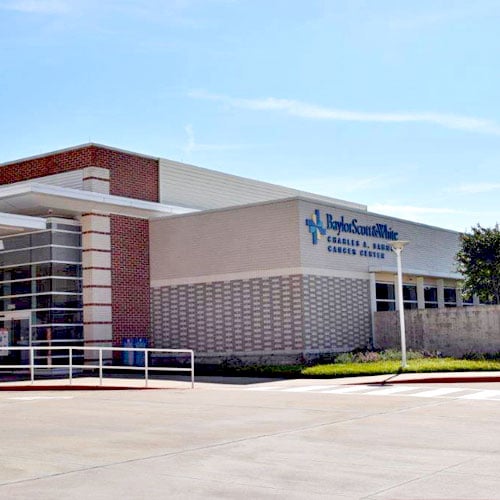
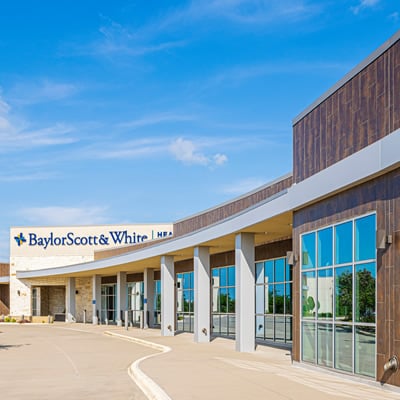
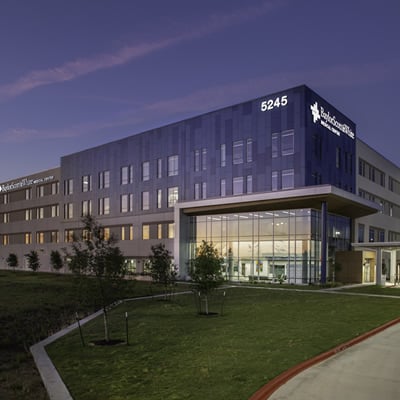
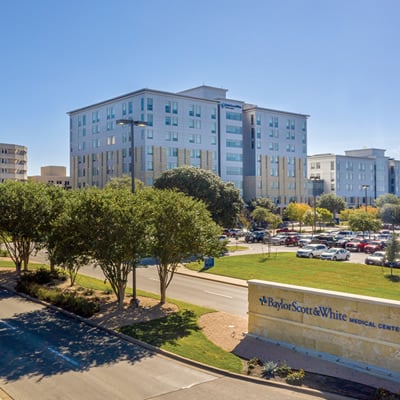
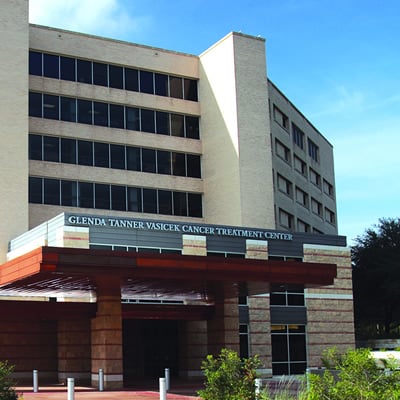
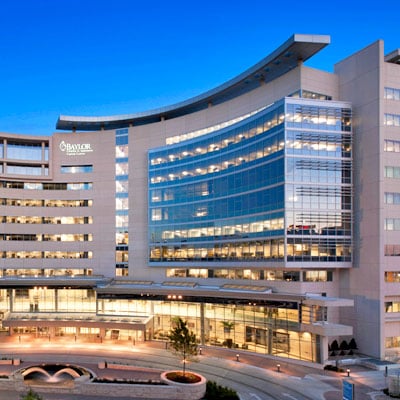
We help you get care at a location that fits your needs. We offer several locations for your care, including specialized cancer treatment centers in North and Central Texas.

Loading locations...

Loading locations...